
The Osaka Expo 2025 is a global event that brings together nations from all corners of the world to celebrate culture, innovation, and unity. As part of this monumental occasion, I had the honor of representing the Philippines at the Philippine Pavilion, performing for Ballet Philippines.
Penned by Danielle Kleiner, this article captures her perspective as a cultural ambassador at the Philippine Pavilion during Expo 2025.
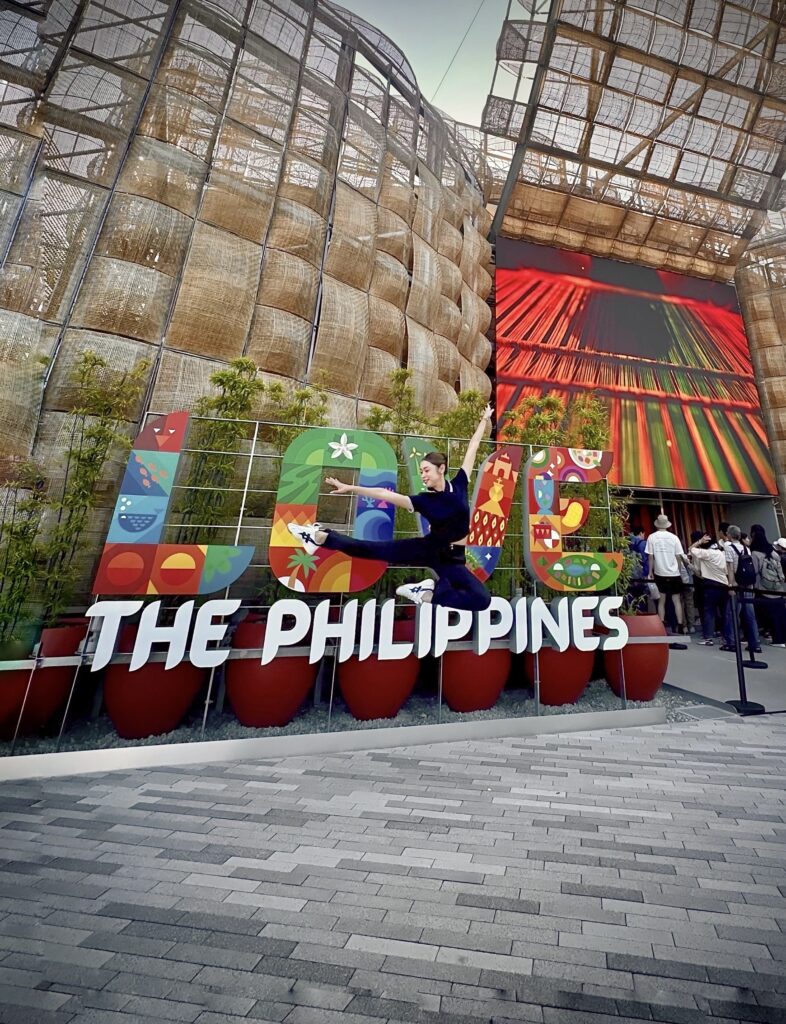
Being selected for such an esteemed opportunity was both a privilege and a deeply humbling experience. To represent my country through the art of dance on an international stage was something I had only dreamed of, but never imagined would come to life.
The lead-up to the Expo was a whirlwind of rehearsals and preparations. We had to be ready for daily performances, with two shows every day, each of them requiring precision, energy, and commitment. Our rehearsals were rigorous as we worked to perfect every detail of our performance. It wasn’t just about the choreography; it was about conveying the spirit of the Philippines through every movement. Performing twice a day was physically demanding, but the adrenaline and the joy of representing my country made every moment worthwhile. The experience wasn’t just about dancing; it was about embodying the essence of Filipino culture—something that made the entire journey all the more meaningful.
Upon arriving at the Osaka Expo, I was in awe of the grandeur of the event. The sheer scale of the Expo, with over 190 countries participating, was overwhelming. But when I entered the Philippine Pavilion, everything fell into place. The Pavilion, designed by Mr. Carlo Calma, reflects our rich cultural heritage— a blend of modernity and tradition, echoing the very spirit of the Philippines.
Our performance at the Osaka Expo was much more than just a dance; it was a visual and emotional representation of our country’s artistry and heritage. The choreography, which was inspired by the intricate process of weaving, symbolized how we, as Filipinos, are all part of something much greater—a shared history and collective identity. Our dance was designed to reflect the loom, a tool that has long been at the heart of Filipino craftsmanship, and we used our movements to embody the threads of culture and history that weave us together.
What made this performance truly unique was how we integrated our movements with the Pavilion itself. The walls of the Philippine Pavilion became more than just a backdrop—they became part of the performance. As we danced, it felt like we were connecting with those very walls, weaving into the fabric of the Pavilion itself. The Pavilion, designed to showcase the Philippines, became a living, breathing entity, and our dance was a literal manifestation of that connection.
In those moments on stage, it felt as though the Pavilion’s walls could talk—if they could, I believe they would share the stories of the generations before us, the triumphs, and the struggles, the joys, and the sacrifices that have shaped us as a nation. We weren’t just performing on a stage; we were part of something deeply rooted in history, and every movement felt like an offering to those who came before us, as well as to those who will follow.
It was exhilarating to perform in such a dynamic environment, surrounded by people from around the world. The energy of the audience was palpable, and you could feel the excitement in the air as people from all walks of life watched. As I danced, I was not only representing Ballet Philippines but also sharing a piece of my identity as a Filipino. The connection to my audience was immediate, transcending language and borders, and I knew I was part of something much bigger than myself.
I also had the chance to interact with visitors, and there was a profound sense of curiosity about the Philippines. For many, it was their first exposure to Filipino culture, and I felt a deep sense of responsibility to represent it with grace and authenticity. Through this exchange, I learned that art, especially dance, has the power to change perceptions and create lasting connections between people from different parts of the world.
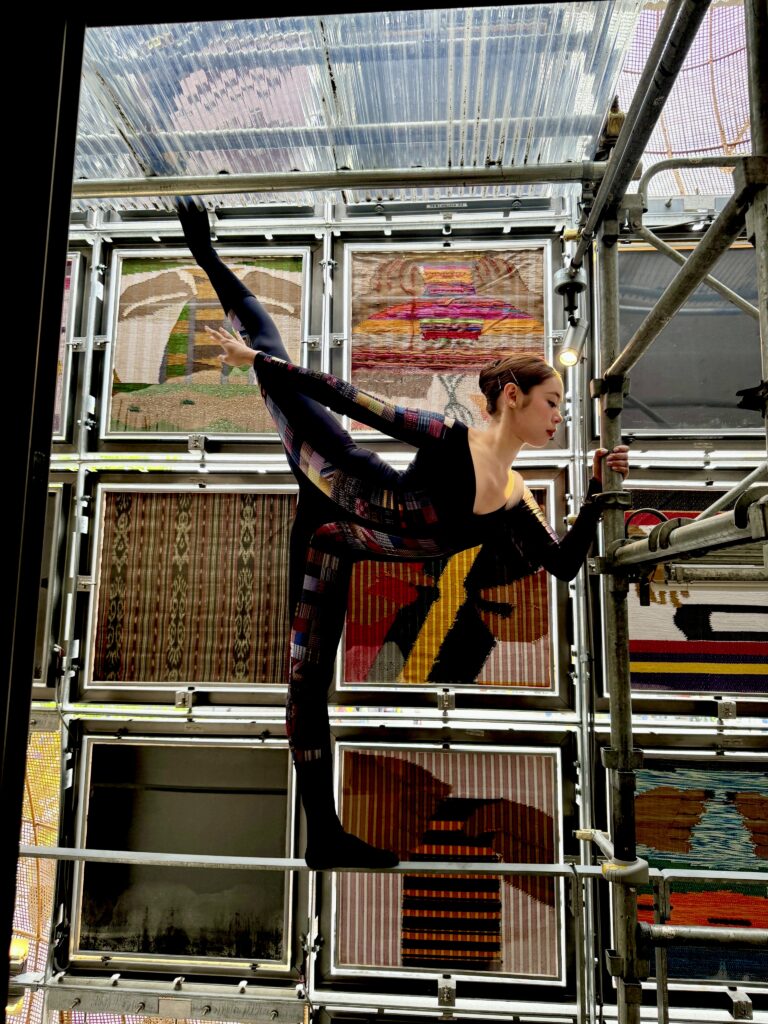
Looking back, performing at the Osaka Expo was not just a personal achievement but a celebration of Filipino artistry on the world stage. The experience was a reminder of how powerful cultural exchange can be and how dance serves as a conduit for sharing stories, history, and emotions. On a personal level, this experience deepened my understanding of my own culture and reaffirmed my commitment to being a steward of Filipino arts.
I left Osaka not only as a dancer but also as a cultural ambassador, carrying the pride of the Philippines in my heart. And as I continue my journey in dance, I will always carry with me the pride of having represented the Philippines in such a momentous event.