
Dancing has always taken me places — both emotionally and physically — but nothing compares to the experience I had performing at the Japan Expo as part of Ballet Philippines.
This reflection was written by Ballet Philippines dancer Ian Ocampo, sharing his journey and experiences performing at the Japan Expo 2025.
This trip was more than just a performance opportunity; it was a fusion of cultures, a test of adaptability, and ultimately, a celebration of art in one of the world’s most respectful and refined cultures. Although it was my fourth time in Japan, the thrill of returning with Ballet Philippines made it feel like the first.
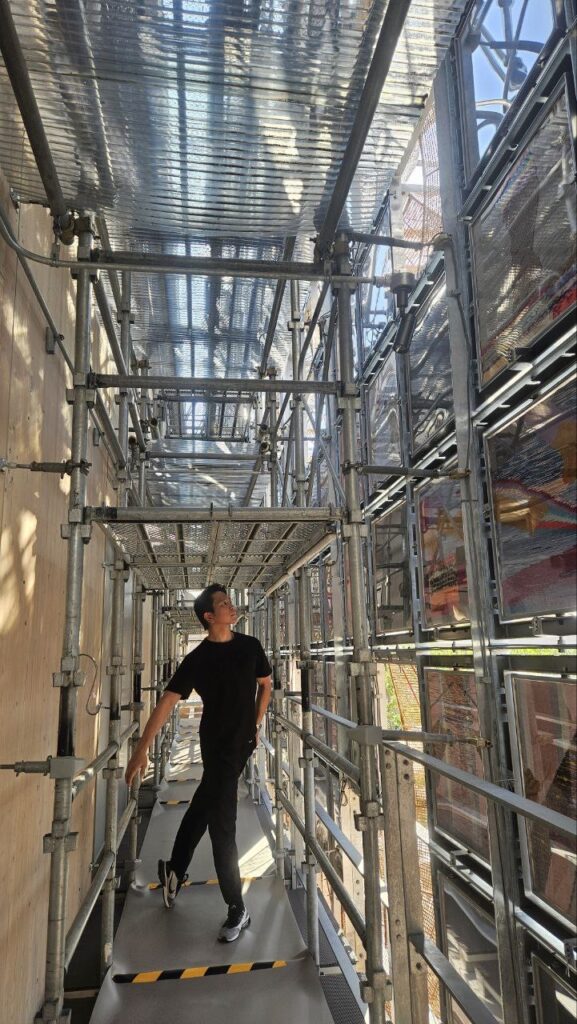
Our performances were held in the Philippine Pavilion designed by renowned architect Carlo Calma. The space was unlike anything I had performed in before — visually stunning, creatively ambitious, and, admittedly, a dancer’s challenge. At first glance, we thought we wouldn’t even fit. The structure was intricate, layered, and deeply conceptual. We weren’t sure how movement would work within such a limited and uniquely shaped space. But dance has always taught me the value of flexibility — not just in body, but in spirit. Eventually, we made it work. In fact, what initially seemed like a limitation became a source of inspiration. Dancing within Calma’s architectural vision pushed us to reimagine the use of space, and in doing so, we brought life to every corner of the pavilion.
Every day, we had two performances — one at 5:30 PM and another at 7:00 PM. Though both were scheduled, they were anything but routine. Each performance felt distinct — shaped by the energy of the audience, the mood of the day, and our own personal evolution as performers. The earlier show carried the warmth of sunset, while the latter glowed with a more introspective energy. It was incredible to see how audiences responded. At first, it was just a few passersby who stopped out of curiosity. But as the days went on, our performances became something people looked forward to. Locals, fellow Expo participants, and tourists would gather around, making it one of the most awaited daily performances at the pavilion. There was an unspoken connection formed between us and the people who came — proof that dance, even in unfamiliar territory, speaks clearly to the soul.
Outside of performing, I cherished every bit of Japan’s culture. The food, of course, was a highlight. Whether it was ramen after rehearsals, onigiri between shows, or matcha ice cream to reward ourselves, everything tasted like care and tradition. But beyond the cuisine, what struck me most was the kindness and discipline of the Japanese people. From the organizers and pavilion staff to strangers who offered help without hesitation, everyone we encountered embodied quiet generosity and deep respect. It made the entire experience not just smooth, but genuinely heartwarming.
What made it even more special was the sense of community we formed — both within our own group and with people we met along the way. We made friends, exchanged stories, and discovered shared passions. Despite language barriers, we found ways to connect — through bows, smiles, and the universal language of appreciation for art. It’s moments like these that remind me why I love dance — not just for what it allows me to express, but for the doors it opens to understanding others.
Being in Japan as a dancer with Ballet Philippines filled me with pride. We weren’t just representing a company; we were carrying with us the rich tapestry of Filipino culture, talent, and resilience. Every time we performed, I felt a sense of honor — knowing that we were bringing a piece of home to an international stage. The reactions we received, from claps to heartfelt conversations after the show, affirmed that we were seen, heard, and appreciated.
Despite having been to Japan before, this visit felt different. It wasn’t just a trip; it was a chapter in my journey as an artist. It deepened my appreciation for cultural exchange and reaffirmed my commitment to the discipline and beauty of ballet. I’ve always admired Japan — its balance of tradition and innovation, its order, its gentleness. And now, having experienced it again through the lens of a performer, I’ve grown to love it even more.
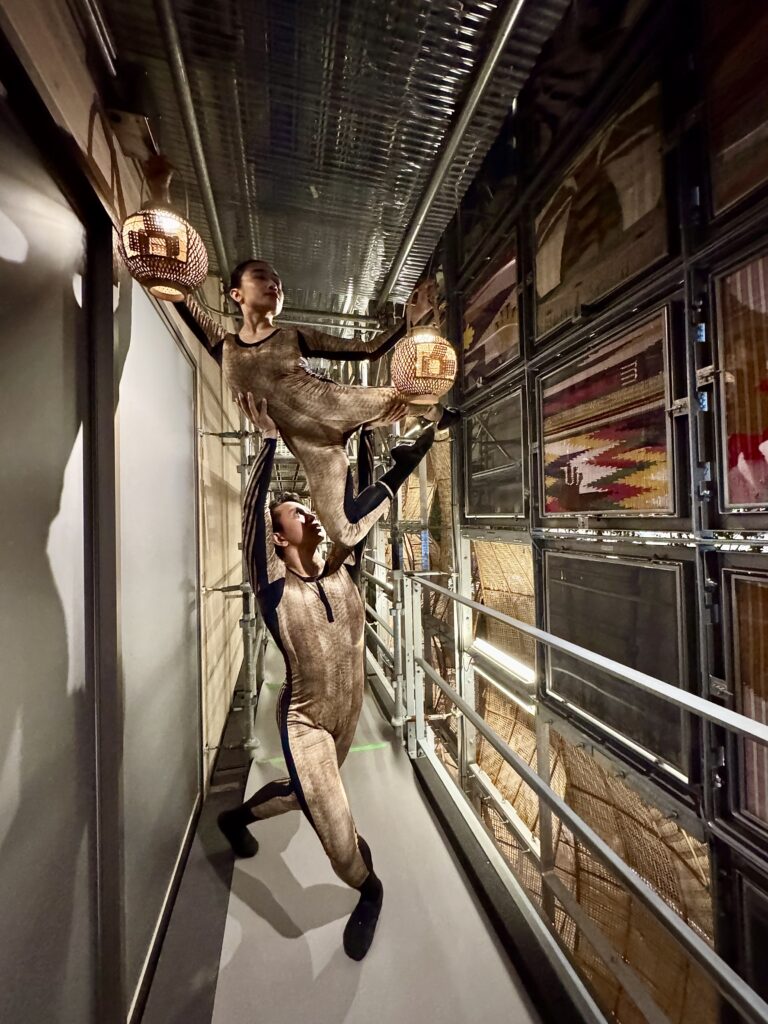
As I look back on the experience, I carry with me more than just memories of dance. I carry the feeling of performing in a space that once seemed impossible, the warmth of strangers who became friends, and the joy of doing what I love in a country I deeply respect. We’re proud of what we shared at the Expo, and even more excited for what’s to come. I can’t wait to return to Japan — not just as a tourist, but as an artist eager to learn, give, and grow.
Because no matter how many times I visit, Japan continues to feel like a beautiful new beginning.