WebClick Tracer

Categories
BP Bulletin

When Walls Speak: Weaving Heritage Through Dance at the Philippine Pavilion

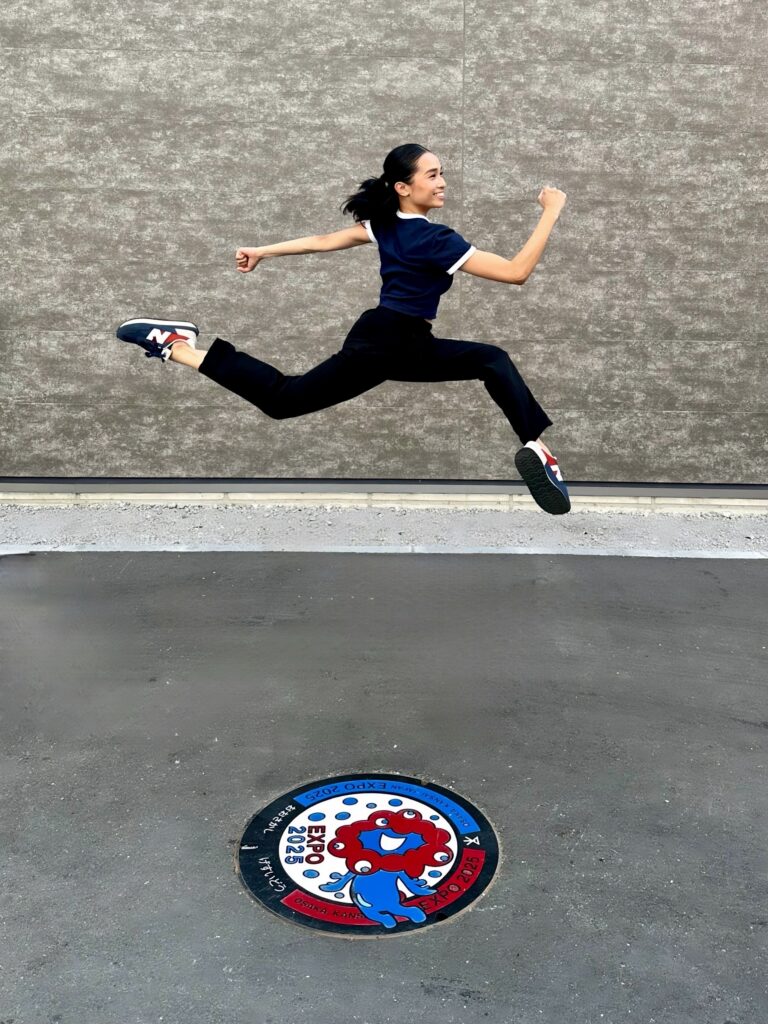
The Osaka Expo 2025 is a global event that brings together nations from all corners of the world to celebrate culture, innovation, and unity. As part of this monumental occasion, I had the honor of representing the Philippines at the Philippine Pavilion, performing for Ballet Philippines.

Penned by Danielle Kleiner, this article captures her perspective as a cultural ambassador at the Philippine Pavilion during Expo 2025.

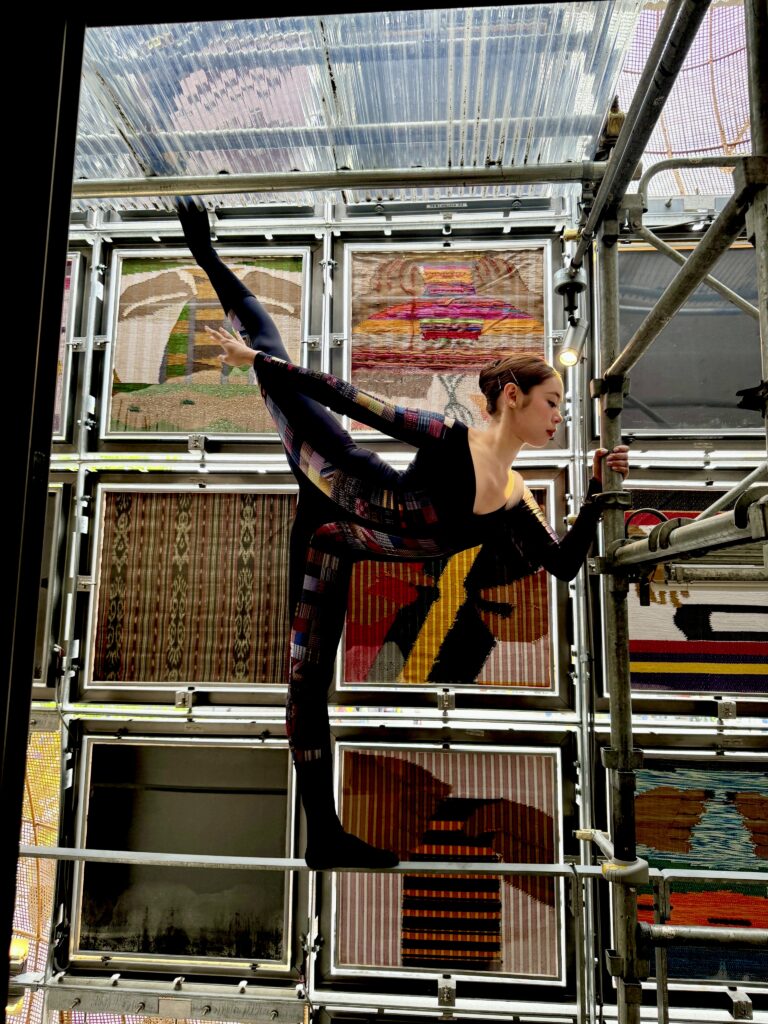
Danielle Kleiner | Photo by Ballet Philippines

Being selected for such an esteemed opportunity was both a privilege and a deeply humbling experience. To represent my country through the art of dance on an international stage was something I had only dreamed of, but never imagined would come to life.

The lead-up to the Expo was a whirlwind of rehearsals and preparations. We had to be ready for daily performances, with two shows every day, each of them requiring precision, energy, and commitment. Our rehearsals were rigorous as we worked to perfect every detail of our performance. It wasn’t just about the choreography; it was about conveying the spirit of the Philippines through every movement. Performing twice a day was physically demanding, but the adrenaline and the joy of representing my country made every moment worthwhile. The experience wasn’t just about dancing; it was about embodying the essence of Filipino culture—something that made the entire journey all the more meaningful.

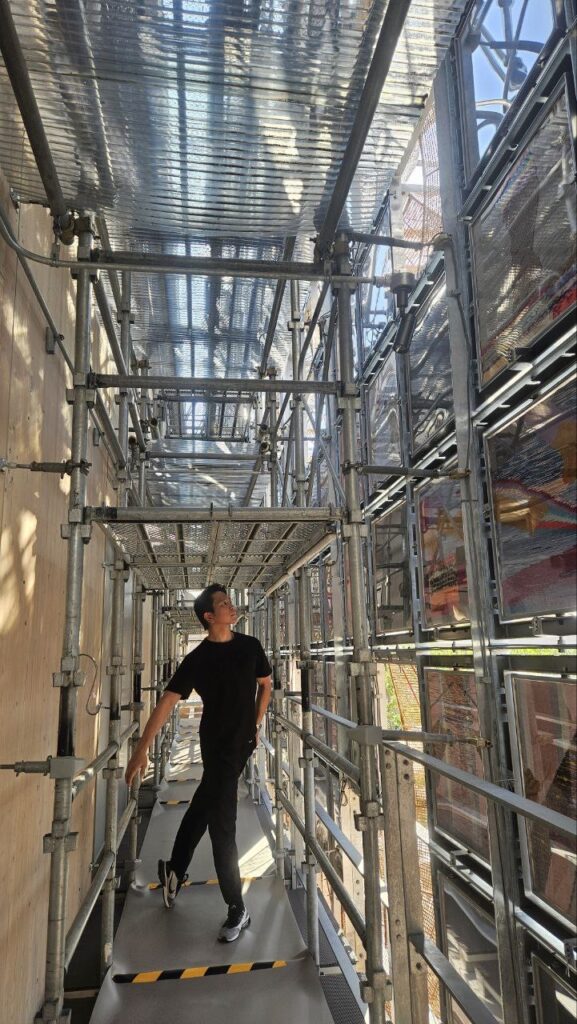
Upon arriving at the Osaka Expo, I was in awe of the grandeur of the event. The sheer scale of the Expo, with over 190 countries participating, was overwhelming. But when I entered the Philippine Pavilion, everything fell into place. The Pavilion, designed by Mr. Carlo Calma, reflects our rich cultural heritage— a blend of modernity and tradition, echoing the very spirit of the Philippines.

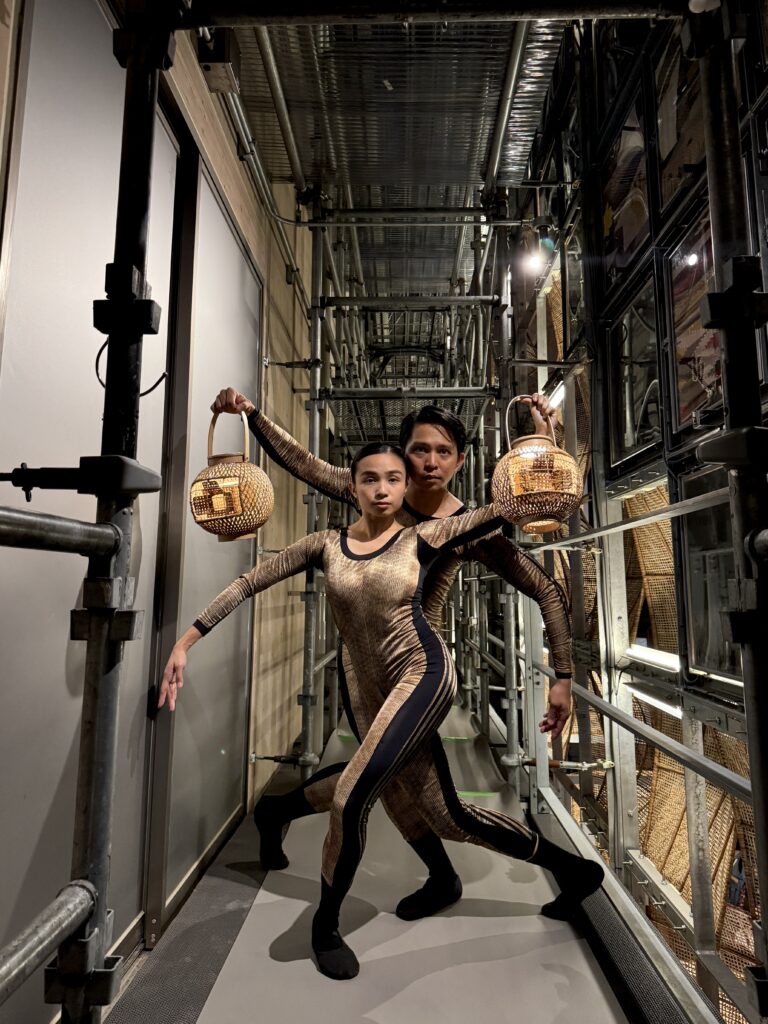
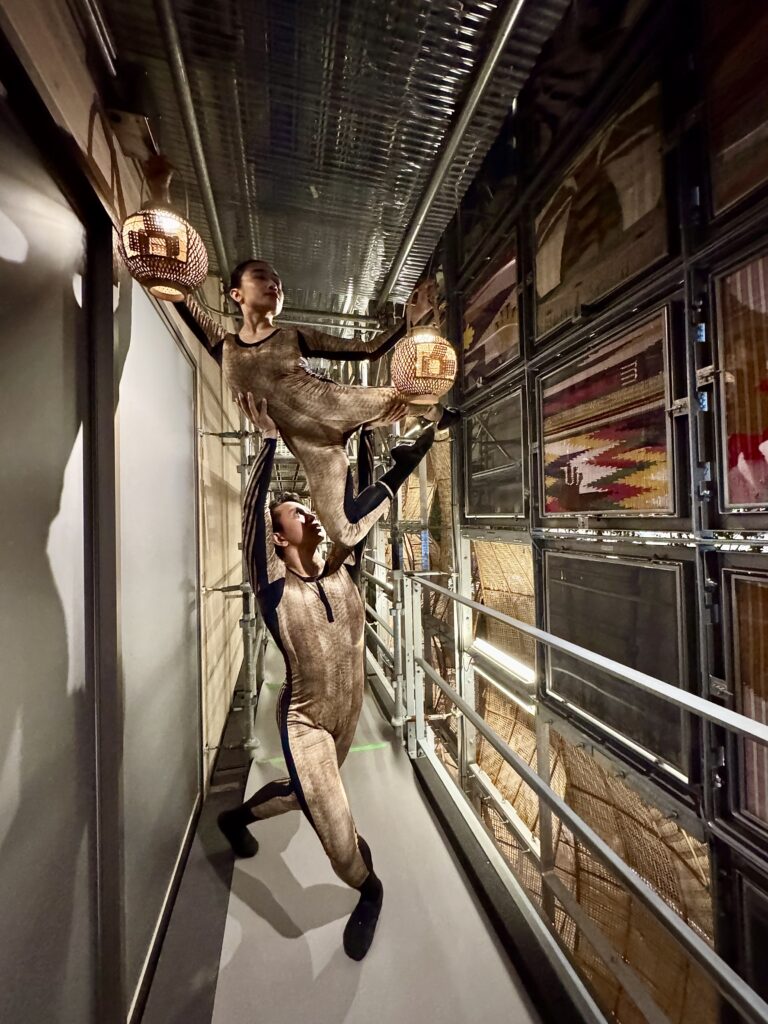
Our performance at the Osaka Expo was much more than just a dance; it was a visual and emotional representation of our country’s artistry and heritage. The choreography, which was inspired by the intricate process of weaving, symbolized how we, as Filipinos, are all part of something much greater—a shared history and collective identity. Our dance was designed to reflect the loom, a tool that has long been at the heart of Filipino craftsmanship, and we used our movements to embody the threads of culture and history that weave us together.

What made this performance truly unique was how we integrated our movements with the Pavilion itself. The walls of the Philippine Pavilion became more than just a backdrop—they became part of the performance. As we danced, it felt like we were connecting with those very walls, weaving into the fabric of the Pavilion itself. The Pavilion, designed to showcase the Philippines, became a living, breathing entity, and our dance was a literal manifestation of that connection.

In those moments on stage, it felt as though the Pavilion’s walls could talk—if they could, I believe they would share the stories of the generations before us, the triumphs, and the struggles, the joys, and the sacrifices that have shaped us as a nation. We weren’t just performing on a stage; we were part of something deeply rooted in history, and every movement felt like an offering to those who came before us, as well as to those who will follow.

It was exhilarating to perform in such a dynamic environment, surrounded by people from around the world. The energy of the audience was palpable, and you could feel the excitement in the air as people from all walks of life watched. As I danced, I was not only representing Ballet Philippines but also sharing a piece of my identity as a Filipino. The connection to my audience was immediate, transcending language and borders, and I knew I was part of something much bigger than myself.

I also had the chance to interact with visitors, and there was a profound sense of curiosity about the Philippines. For many, it was their first exposure to Filipino culture, and I felt a deep sense of responsibility to represent it with grace and authenticity. Through this exchange, I learned that art, especially dance, has the power to change perceptions and create lasting connections between people from different parts of the world.

Danielle Kleiner | Photographed by Olivia Bugayong

Looking back, performing at the Osaka Expo was not just a personal achievement but a celebration of Filipino artistry on the world stage. The experience was a reminder of how powerful cultural exchange can be and how dance serves as a conduit for sharing stories, history, and emotions. On a personal level, this experience deepened my understanding of my own culture and reaffirmed my commitment to being a steward of Filipino arts.

I left Osaka not only as a dancer but also as a cultural ambassador, carrying the pride of the Philippines in my heart. And as I continue my journey in dance, I will always carry with me the pride of having represented the Philippines in such a momentous event. 

Categories
BP Bulletin

Sharing Filipino Artistry on the World Stage at Expo 2025

To be a Filipino dancer on the world stage is more than a profession, it’s a purpose. And for me, being part of Ballet Philippines and representing the country at the Osaka Expo 2025, performing at the Philippine Pavilion, was a surreal, life-changing experience that deepened both my artistic journey and personal growth.

Through this article, Carl Lacaba tells his story of pride, culture, and artistry as he represented the Philippines at the Osaka Expo 2025.

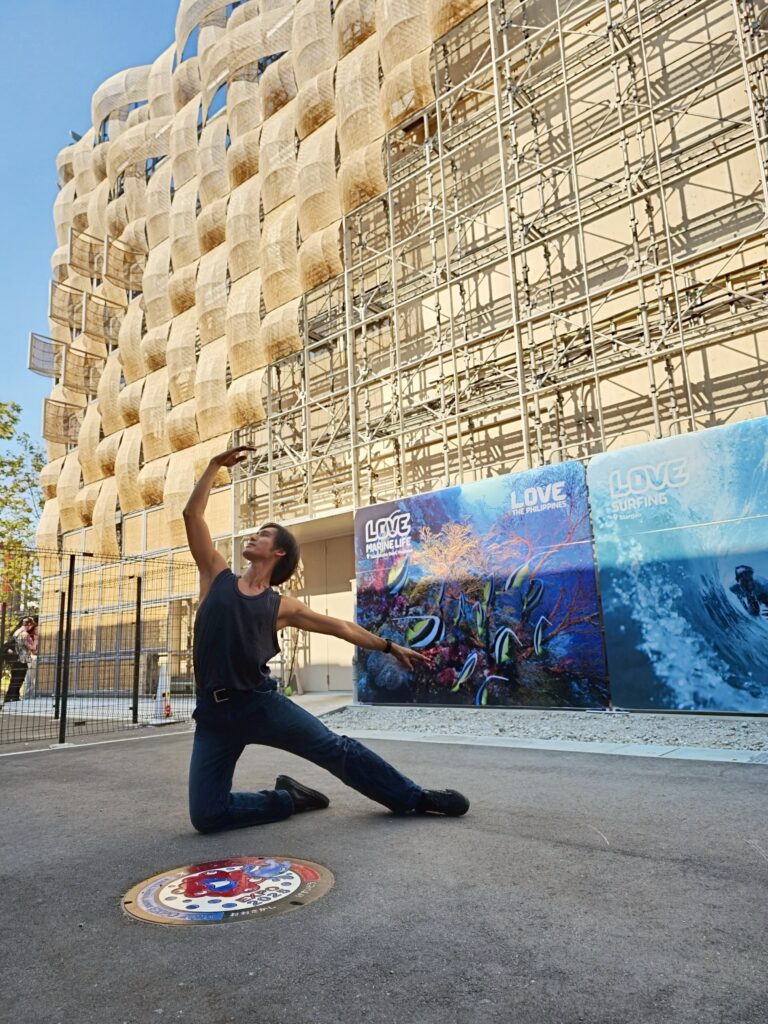
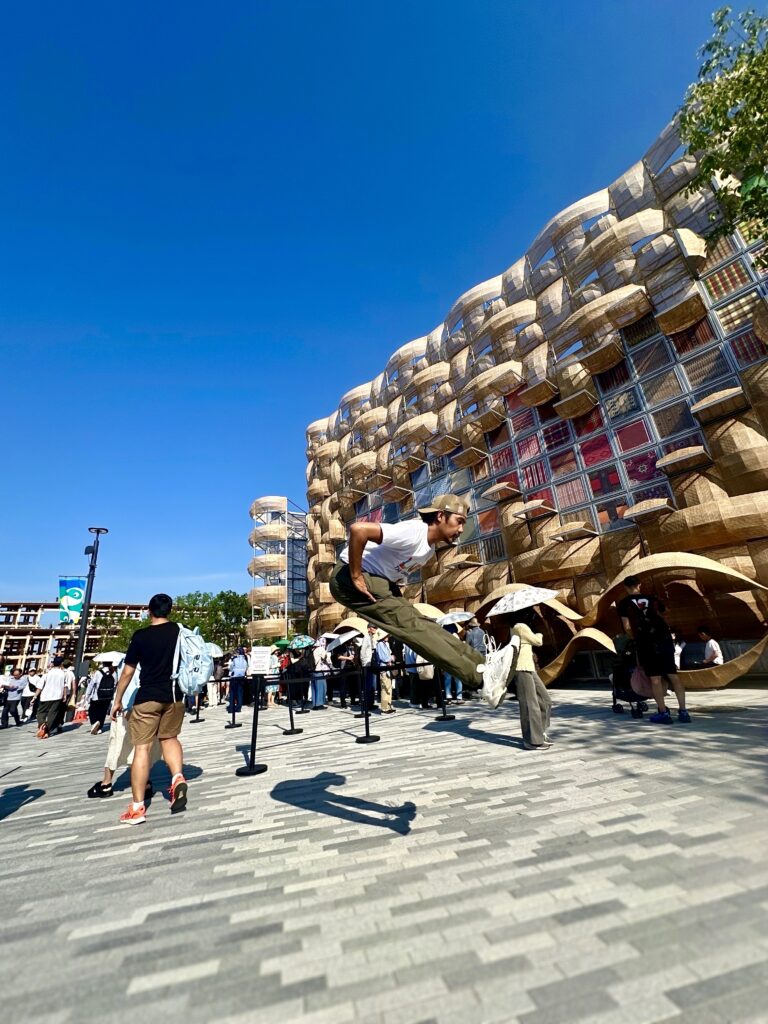
Carl Lacaba | Photo by Ballet Philippines

From the moment I received word that I would be part of the delegation to Osaka, excitement and nervous anticipation filled my heart. I knew this was not just any performance, it was a moment of national pride, a celebration of cultural identity, and an opportunity to share the Philippines with the world. Looking back, those 38 days in Japan became some of the most meaningful days of my life.

Being chosen to dance for the Philippine Pavilion was an honor that I still find hard to put into words. Outside of the stage, I embraced the opportunity to experience Japan’s rich and layered culture. Though my stay was brief, only 38 days, it left a lasting impression on me.

From the moment I arrived, I was struck by the hospitality and discipline of the Japanese people. Their deep respect for tradition, attention to detail, and pursuit of excellence resonated with me both as an artist and as an individual. Whether it was visiting serene temples, strolling through bustling Osaka markets, or simply riding the efficient and clean trains, every interaction offered something to learn and appreciate.

Clarise Miranda and Carl Lacaba | Photographed by Olivia Bugayong

Japanese cuisine, for instance, was a revelation. I indulged in sushi prepared with meticulous care, warming bowls of ramen that nourished both body and soul, and humble convenience store snacks that somehow felt gourmet. Each meal was a lesson in balance, respect for ingredients, and cultural expression.

I also had the chance to witness other national pavilions at the expo—each offering glimpses into different corners of the world. But Japan’s own contributions stood out to me. Their seamless blend of tradition and technology, their artistic sensibilities, and their hospitality created an experience that felt both intimate and grand.


Categories
BP Bulletin

For 38 Days, I Danced for My Country at Osaka Expo 2025

Representing my country through the art of dance has always been a dream, one that came true when I became part of Ballet Philippines and was given the honor of performing at the Philippine Pavilion during the Osaka Expo 2025.

This story is written by Ballet Philippines dancer Clarise Miranda, sharing her journey and reflections from performing at the Osaka Expo 2025.

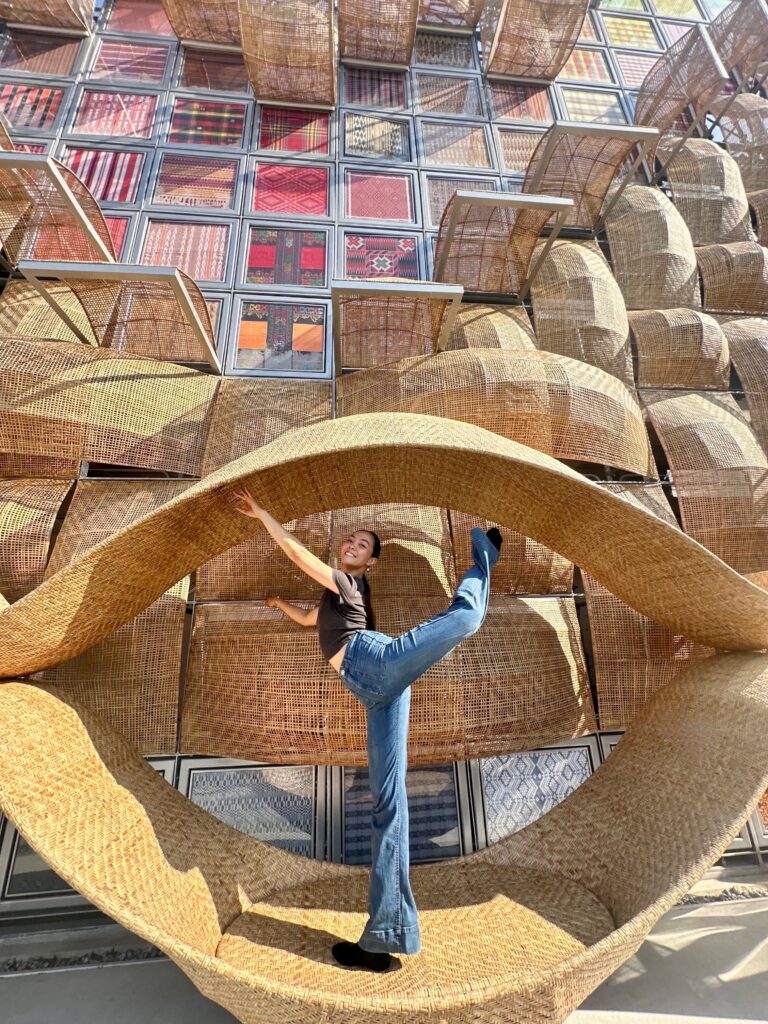
Clarise Miranda | Photo by Ballet Philippines

What began as a professional assignment evolved into one of the most enriching experiences of my life, not only as an artist but as a Filipino who had the chance to carry our heritage internationally.

The moment I stepped into the grand expanse of Expo 2025 in Osaka, I was filled with awe. I knew I was entering a space where nations from all over the world gathered not only to showcase innovation but also to celebrate cultural identity. And for 38 unforgettable days, I was part of that global conversation, through movement, and music.

To dance in front of both Filipino expatriates and foreign visitors was deeply fulfilling. Others, unfamiliar with our culture, were captivated by the strength and grace woven into every step and gesture. 

Clarise Miranda | Photographed by Olivia Bugayong

The Osaka Expo 2025 was a celebration of what the world can be when cultures meet, when stories are shared, and when art becomes a bridge across differences. I return not only as a better dancer, but as a more grounded human being.

For 38 days, I danced for my country. I lived a different life. I met the world. And I will carry the rhythm of Osaka in my heart forever.

Categories
BP Bulletin

Dancing Through Boundaries: My Japan Expo Experience with Ballet Philippines

Dancing has always taken me places — both emotionally and physically — but nothing compares to the experience I had performing at the Japan Expo as part of Ballet Philippines. 

This reflection was written by Ballet Philippines dancer Ian Ocampo, sharing his journey and experiences performing at the Japan Expo 2025.

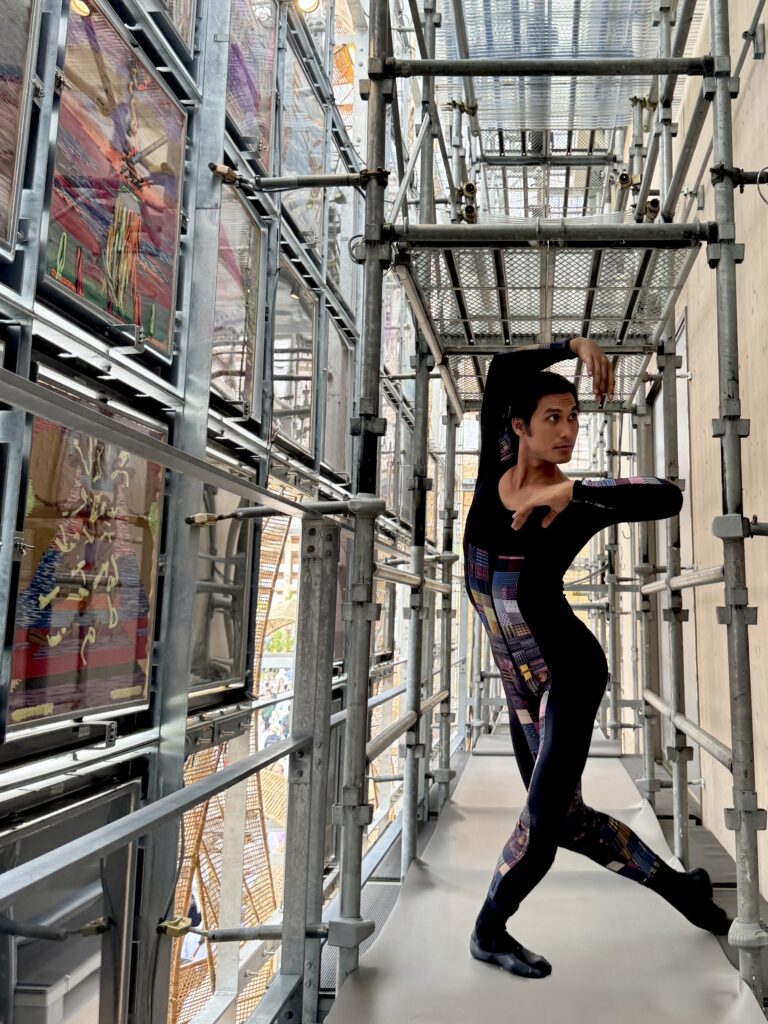
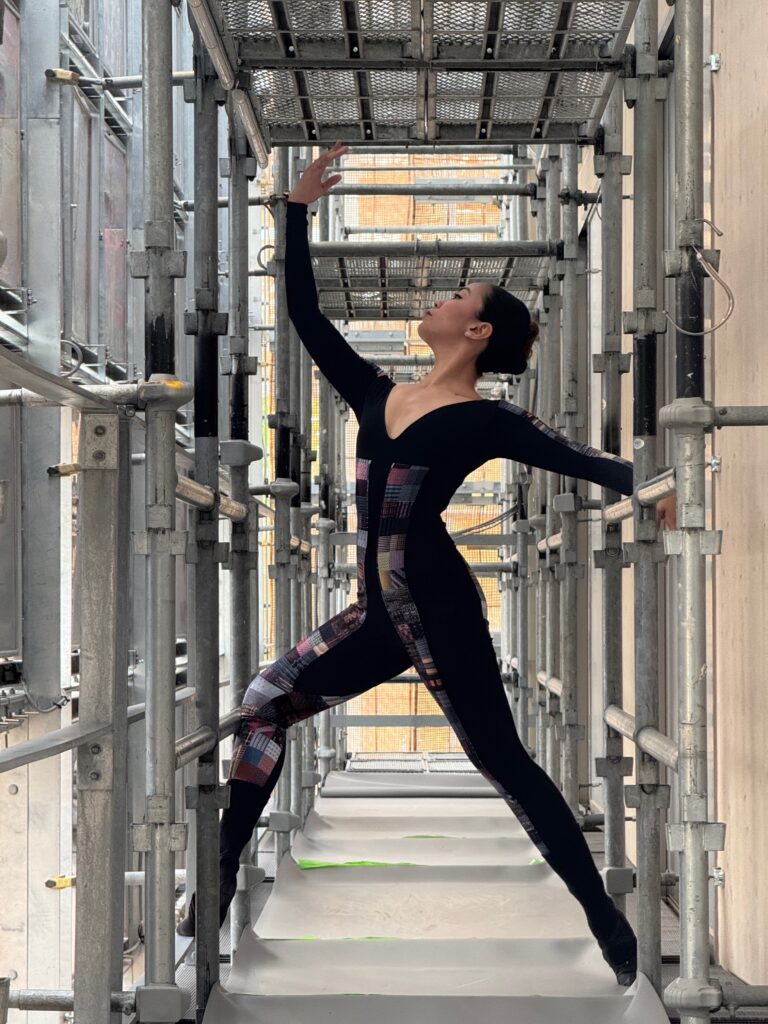
Ian Ocampo | Photo by Ballet Philippines

This trip was more than just a performance opportunity; it was a fusion of cultures, a test of adaptability, and ultimately, a celebration of art in one of the world’s most respectful and refined cultures. Although it was my fourth time in Japan, the thrill of returning with Ballet Philippines made it feel like the first.

Our performances were held in the Philippine Pavilion designed by renowned architect Carlo Calma. The space was unlike anything I had performed in before — visually stunning, creatively ambitious, and, admittedly, a dancer’s challenge. At first glance, we thought we wouldn’t even fit. The structure was intricate, layered, and deeply conceptual. We weren’t sure how movement would work within such a limited and uniquely shaped space. But dance has always taught me the value of flexibility — not just in body, but in spirit. Eventually, we made it work. In fact, what initially seemed like a limitation became a source of inspiration. Dancing within Calma’s architectural vision pushed us to reimagine the use of space, and in doing so, we brought life to every corner of the pavilion.

Every day, we had two performances — one at 5:30 PM and another at 7:00 PM. Though both were scheduled, they were anything but routine. Each performance felt distinct — shaped by the energy of the audience, the mood of the day, and our own personal evolution as performers. The earlier show carried the warmth of sunset, while the latter glowed with a more introspective energy. It was incredible to see how audiences responded. At first, it was just a few passersby who stopped out of curiosity. But as the days went on, our performances became something people looked forward to. Locals, fellow Expo participants, and tourists would gather around, making it one of the most awaited daily performances at the pavilion. There was an unspoken connection formed between us and the people who came — proof that dance, even in unfamiliar territory, speaks clearly to the soul.

Outside of performing, I cherished every bit of Japan’s culture. The food, of course, was a highlight. Whether it was ramen after rehearsals, onigiri between shows, or matcha ice cream to reward ourselves, everything tasted like care and tradition. But beyond the cuisine, what struck me most was the kindness and discipline of the Japanese people. From the organizers and pavilion staff to strangers who offered help without hesitation, everyone we encountered embodied quiet generosity and deep respect. It made the entire experience not just smooth, but genuinely heartwarming.

What made it even more special was the sense of community we formed — both within our own group and with people we met along the way. We made friends, exchanged stories, and discovered shared passions. Despite language barriers, we found ways to connect — through bows, smiles, and the universal language of appreciation for art. It’s moments like these that remind me why I love dance — not just for what it allows me to express, but for the doors it opens to understanding others.

Being in Japan as a dancer with Ballet Philippines filled me with pride. We weren’t just representing a company; we were carrying with us the rich tapestry of Filipino culture, talent, and resilience. Every time we performed, I felt a sense of honor — knowing that we were bringing a piece of home to an international stage. The reactions we received, from claps to heartfelt conversations after the show, affirmed that we were seen, heard, and appreciated.

Despite having been to Japan before, this visit felt different. It wasn’t just a trip; it was a chapter in my journey as an artist. It deepened my appreciation for cultural exchange and reaffirmed my commitment to the discipline and beauty of ballet. I’ve always admired Japan — its balance of tradition and innovation, its order, its gentleness. And now, having experienced it again through the lens of a performer, I’ve grown to love it even more.

Ian Ocampo and Jemima Reyes-Ocampo | Photographed by Olivia Bugayong

As I look back on the experience, I carry with me more than just memories of dance. I carry the feeling of performing in a space that once seemed impossible, the warmth of strangers who became friends, and the joy of doing what I love in a country I deeply respect. We’re proud of what we shared at the Expo, and even more excited for what’s to come. I can’t wait to return to Japan — not just as a tourist, but as an artist eager to learn, give, and grow.

Because no matter how many times I visit, Japan continues to feel like a beautiful new beginning.

Categories
BP Bulletin

Expanding Horizons: Ballet Philippines Champions Continuous Learning

In collaboration with The Rogue Ballerina™ Georgina Pazcoguin, Ballet Philippines continues its pursuit of excellence and artistic growth. This global exchange strengthens BP’s commitment to innovation, discipline, and the advancement of Philippine dance.

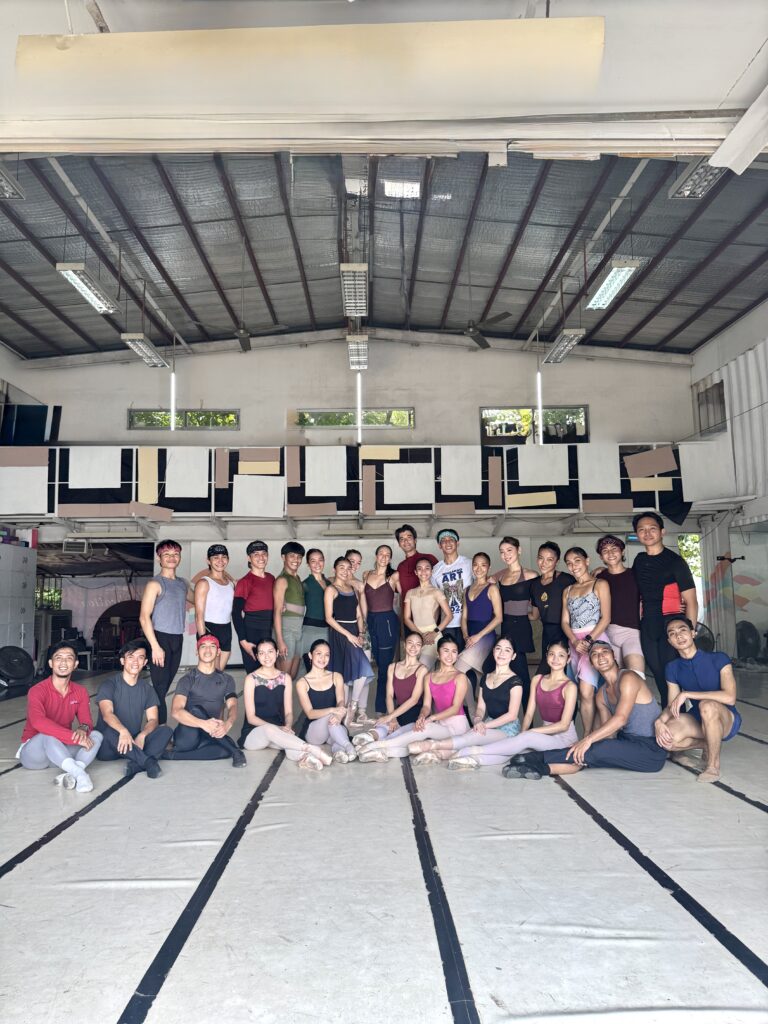
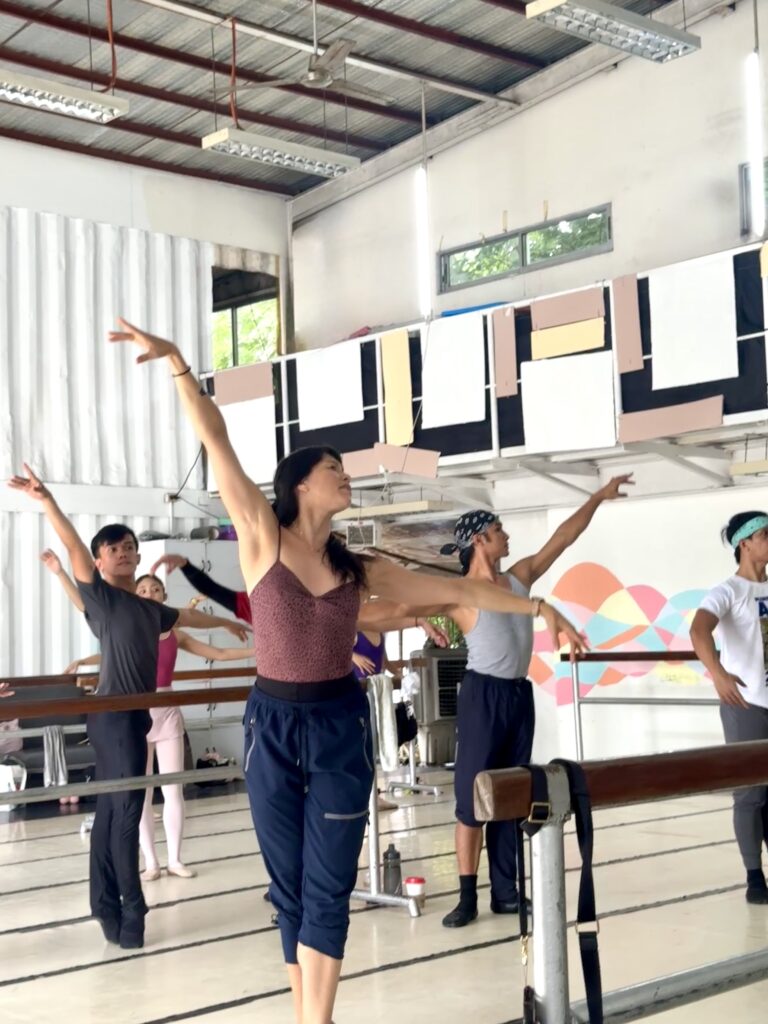
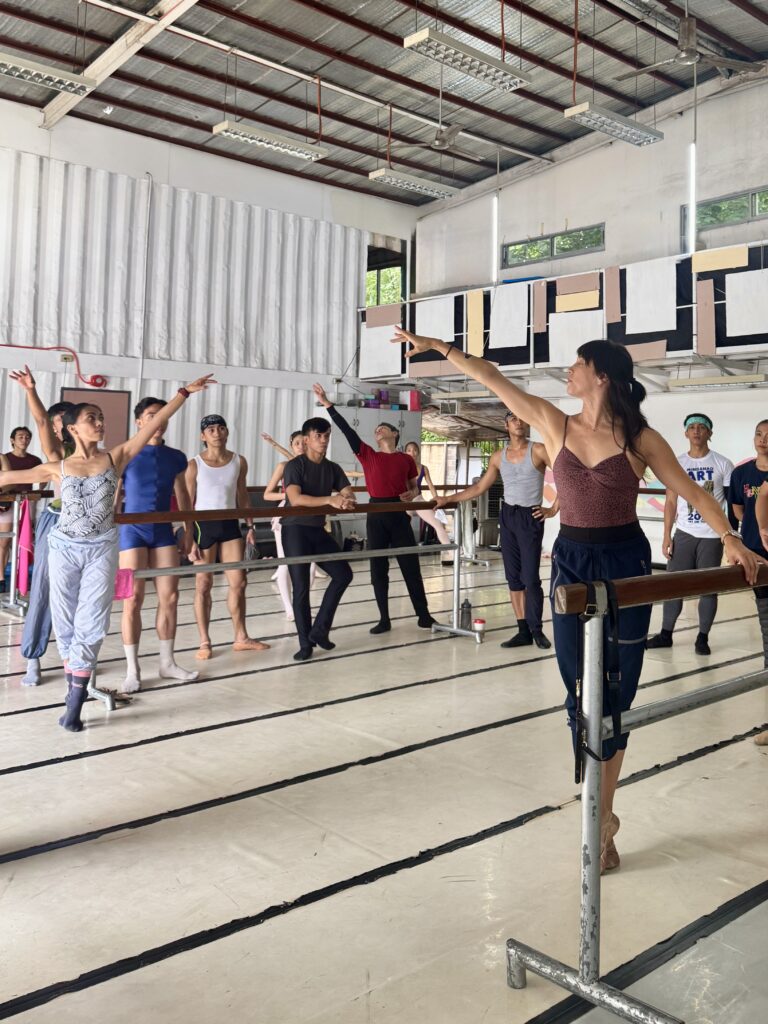
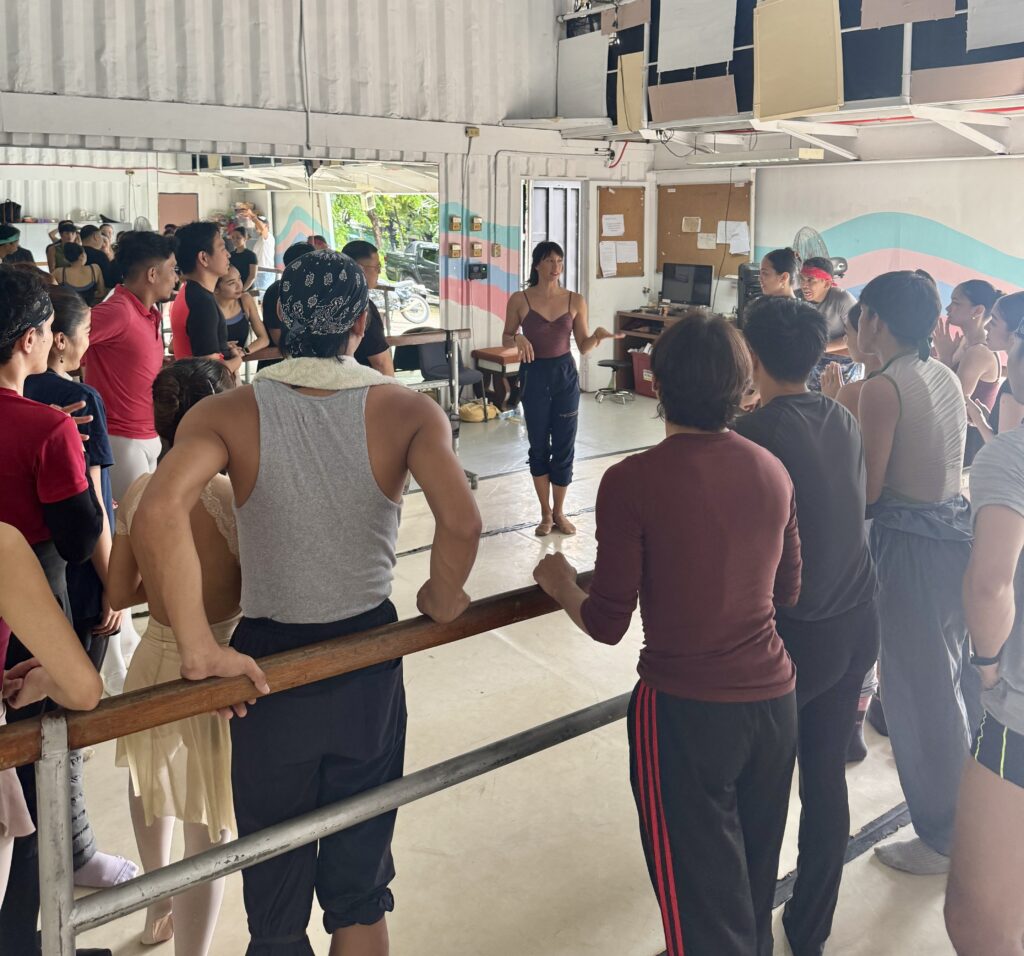
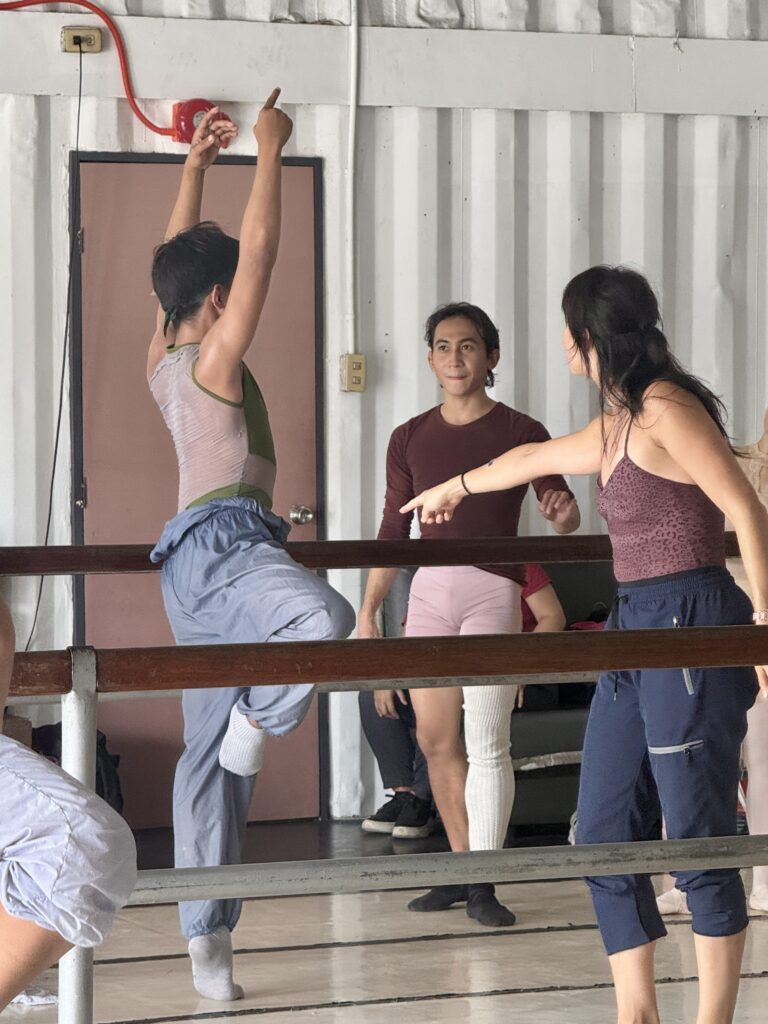
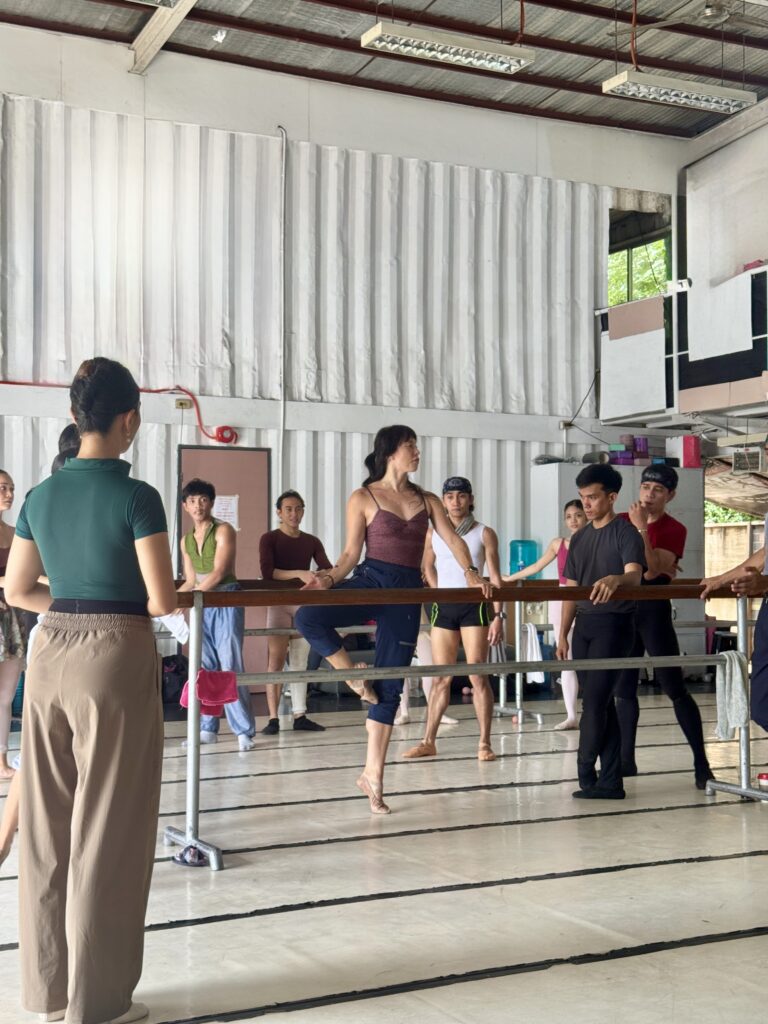
As part of its commitment to continuous growth, Ballet Philippines welcomed acclaimed artist, choreographer, and quondam soloist of New York City Ballet, Georgina Pazcoguin—The Rogue Ballerina™—for a special masterclass with its dancers. The session, held at the Ballet Philippines studios, marked a unique opportunity for the company to learn from one of today’s most dynamic and versatile performers. ✨

Pazcoguin’s celebrated career spans both the ballet and Broadway stages, with standout performances in productions such as Cats, On The Town, and West Side Story. She also made history as the first Asian American Pacific Islander woman promoted to soloist at New York City Ballet, a milestone that has cemented her reputation as both a trailblazer and advocate for diversity and representation in the arts. Beyond the stage, she is the author of Swan Dive: The Making of a Rogue Ballerina, a memoir that offers candid insight into her journey as an artist navigating tradition and reinvention.

“This masterclass is more than just a learning session—it is an exchange of artistry that strengthens our mission to nurture excellence and broaden the horizons of Philippine dance,” said Ballet Philippines. “Having Georgina Pazcoguin with us is a reminder that ballet is a living, evolving art form that connects cultures and inspires audiences worldwide.”

Ballet Philippines remains dedicated to creating transformative experiences for its dancers and audiences alike, continually opening its doors to collaborations with globally respected artists.

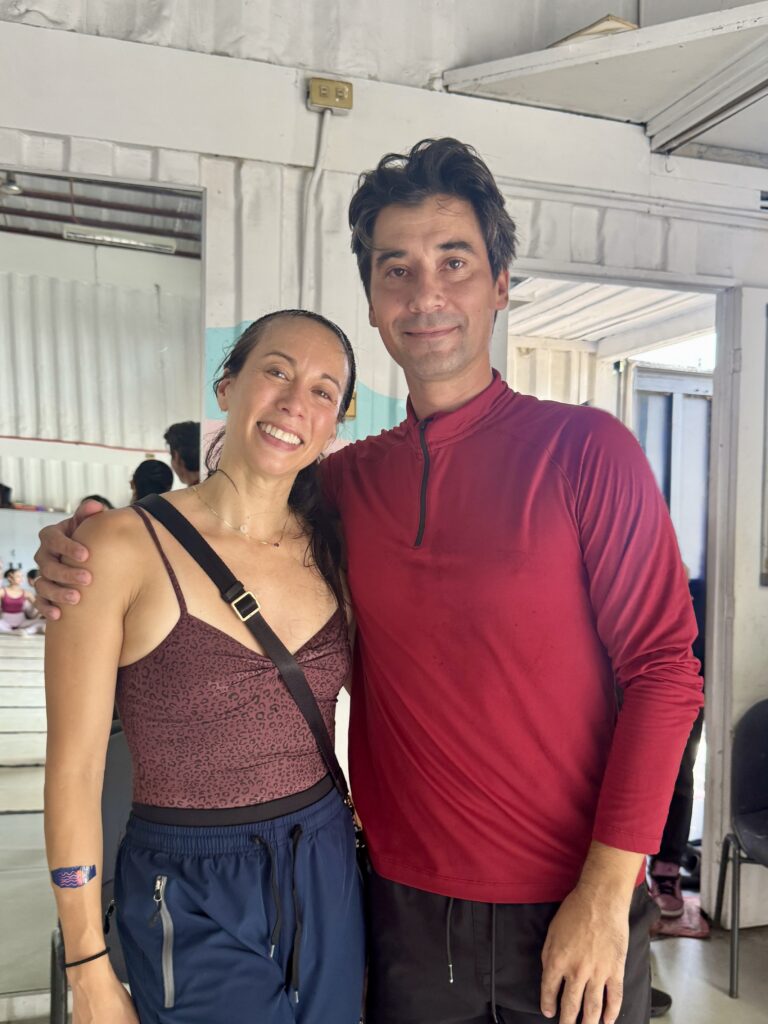
Georgina Pazcoguin with BP’s Artistic Director, Mikhail “Misha” Martynyuk

Encounters such as this masterclass affirm the company’s role as the country’s premier ballet institution, committed to elevating Filipino artistry on the world stage. 

Categories
BP Bulletin

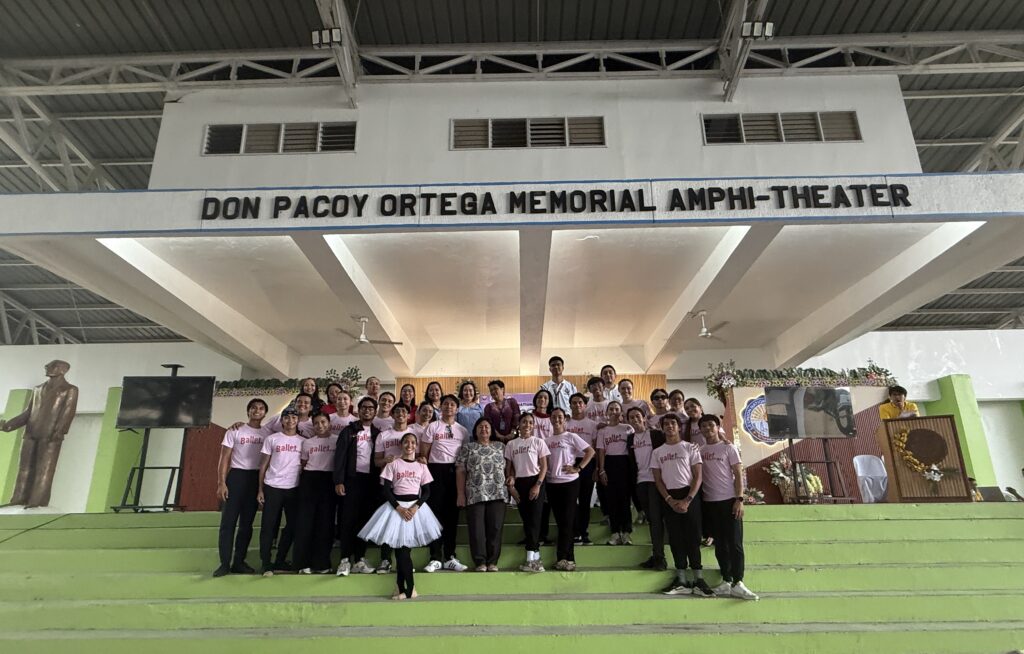
Ballet Philippines Brings Hope and Inspiration to La Union Through Outreach Program

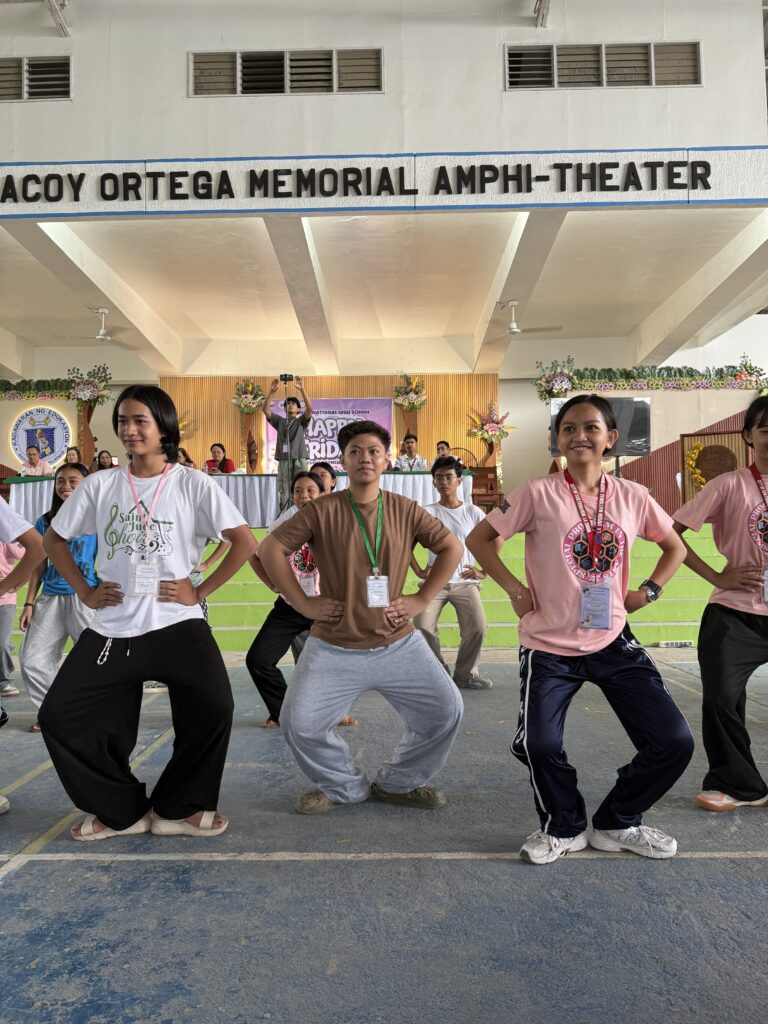
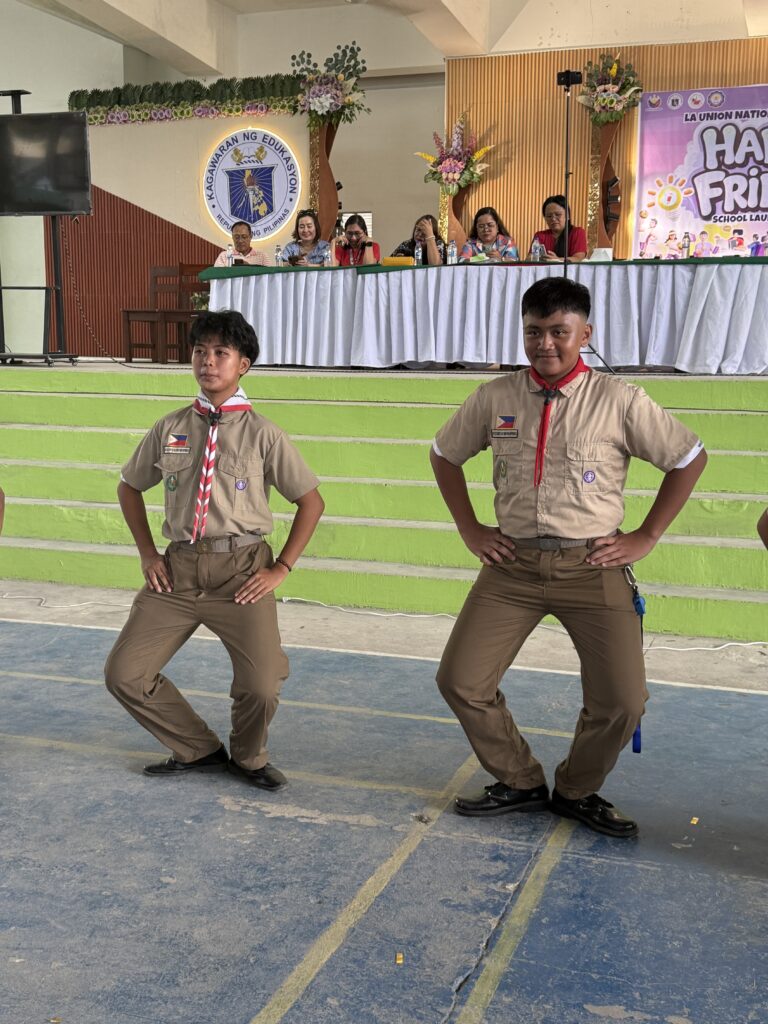
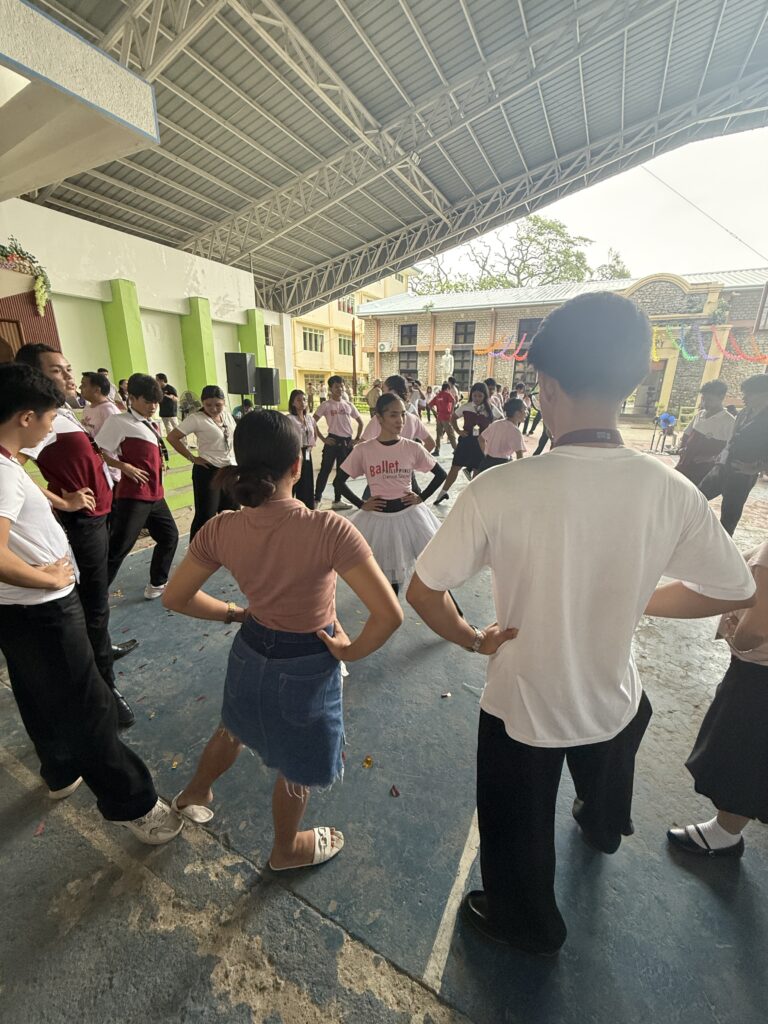
Ballet Philippines brought the joy of dance to more than 1,000 students at La Union National High School through its outreach and community program. From learning the five basic ballet positions to experiencing a live performance, students discovered how art can inspire, uplift, and spark dreams.


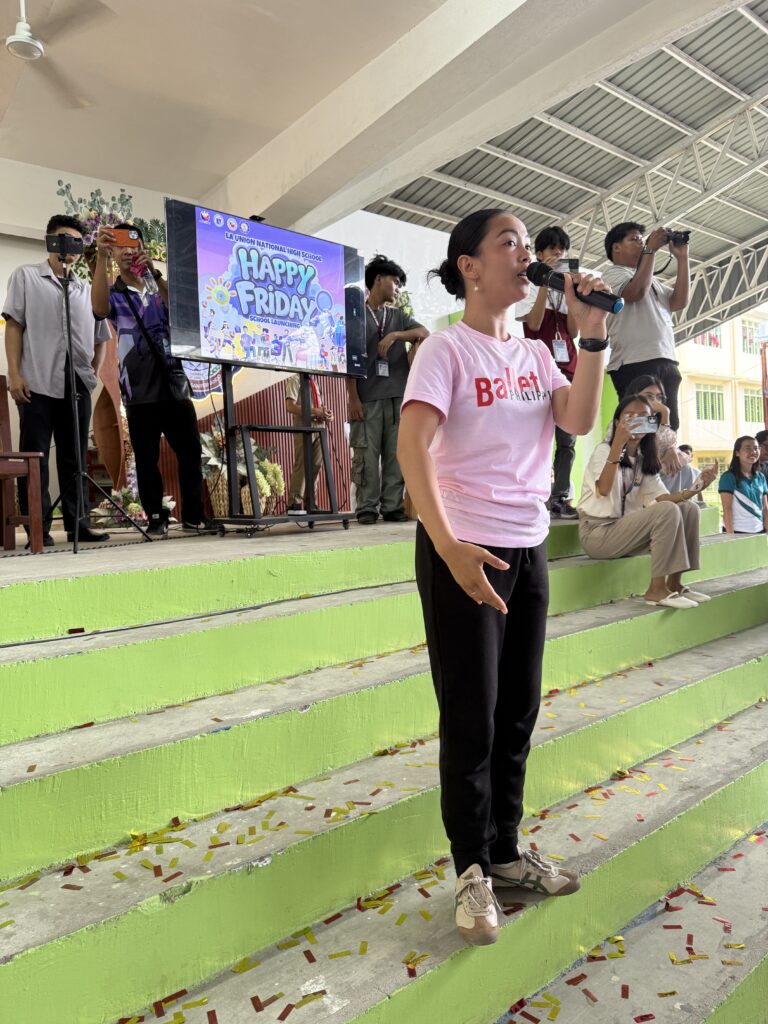
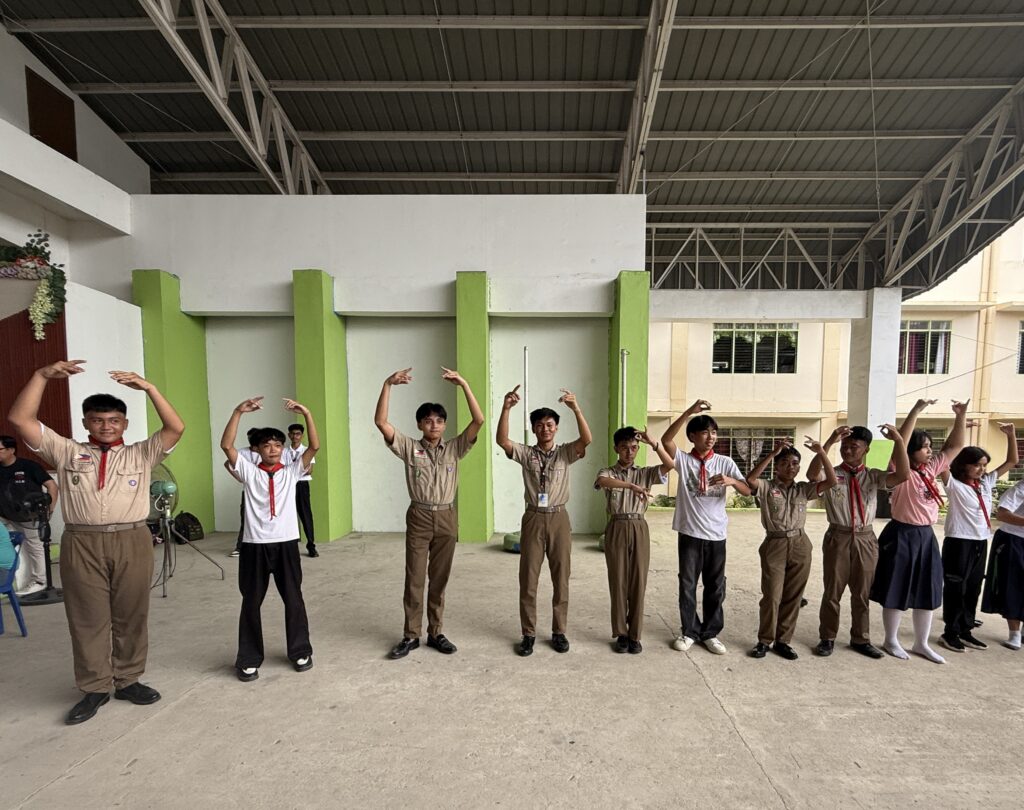
Ballet Philippines (BP) recently brought the power of dance to La Union National High School (LUNHS), where more than 1,000 students experienced their first-ever ballet class and enjoyed a professional performance by the country’s flagship dance company.

This community outreach program is part of BP’s continuing mission to extend the reach of the arts beyond the metro, creating opportunities to educate, inspire, and nurture future generations of Filipino artists.

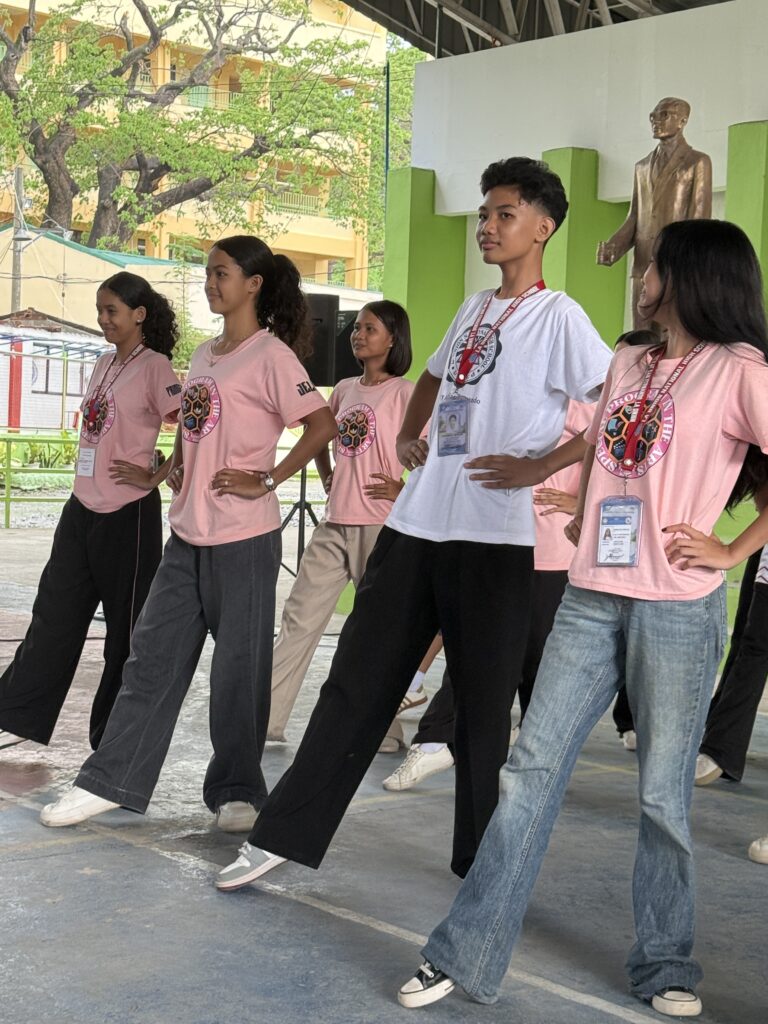
The ballet class introduced students to the five basic ballet positions—foundational movements that offered them a glimpse into the discipline and beauty of the art form. For many of the young participants, it was their very first encounter with ballet.

The session was not just about movement; it was about opening doors to creativity, sparking imagination, and showing how dance can be a source of strength and self-expression.

The visit was especially meaningful for LUNHS, a school still recovering from the devastation of recent typhoons. Classrooms had been flooded, walls sustained water damage, and one building was left without a roof. Against this backdrop of hardship, Ballet Philippines’ presence provided a moment of joy and renewal—reminding the community of the resilience and hope that the arts can inspire, even in the most difficult of times.

“Ballet has the power to uplift and to inspire,” said Kathleen Liechtenstein, President of Ballet Philippines. “Through our outreach and community programs, we want to ensure that every Filipino child, regardless of where they live, has the chance to experience the beauty and discipline of dance. This is our way of giving back, of planting seeds of inspiration that we hope will grow into a lifelong appreciation for the arts.”

With initiatives like these, Ballet Philippines continues to affirm its role as a cultural pillar of the nation—bringing world-class artistry to every corner of the Philippines and ensuring that the gift of dance remains a beacon of hope and inspiration for all.

This journey was made possible through the steadfast support of Victory Liner, whose partnership ensured that the company could reach the community safe and sound, and share the gift of the dance. Their commitment to connecting people extends beyond transportation — it helps bring hope and inspiration to future generations.

Categories
BP Bulletin

Daily Tribune Showcases Cultural Milestone in ‘Three Masters, One Stage’

BP, REP, and MSO join forces for the first time, blending storytelling, choreography, and live orchestral music in a single evening.

Daily Tribune writes about Three Masters, One Stage — a gala evening of art, music, and movement uniting Ballet Philippines (BP), Repertory Philippines (REP), and the Manila Symphony Orchestra (MSO) for an all-ages showcase.

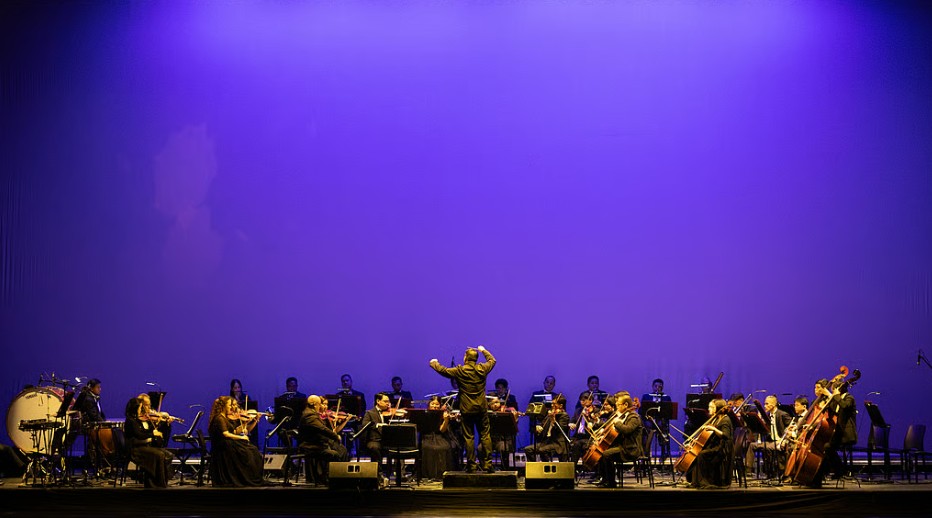
The program opened with REP’s Peter and the Wolf, directed by Jeremy Domingo and choreographed by PJ Rebullida, with narration by 2021 Nobel Peace Prize Laureate Maria Ressa. MSO, under Maestro Marlon Chen and executive director Jeffrey Solares, provided the symphonic foundation.

REP president Mindy Perez-Rubio traced the concept back to her time with the San Francisco Symphony League, where she envisioned merging live theater and orchestral music to inspire young audiences. That vision came to life through BP and MSO’s enthusiastic collaboration.

MSO chair Maan Hontiveros called the night a celebration of creative synergy—the first time the three institutions shared a stage—underscoring orchestral music’s power to enrich ballet and theater.

Closing the evening, BP’s Little Red Riding Hood, choreographed by Mikhail Martynyuk, charmed audiences with its playful grace.

BP president Kathleen Liechtenstein introduced the season theme, Our Stage, The World, honoring artistic legacy, global vision, and community engagement, while celebrating the shared history of these three cultural pillars spanning over two centuries.

Read the full story by Luis Espiritu for Daily Tribune here.

Categories
BP Bulletin

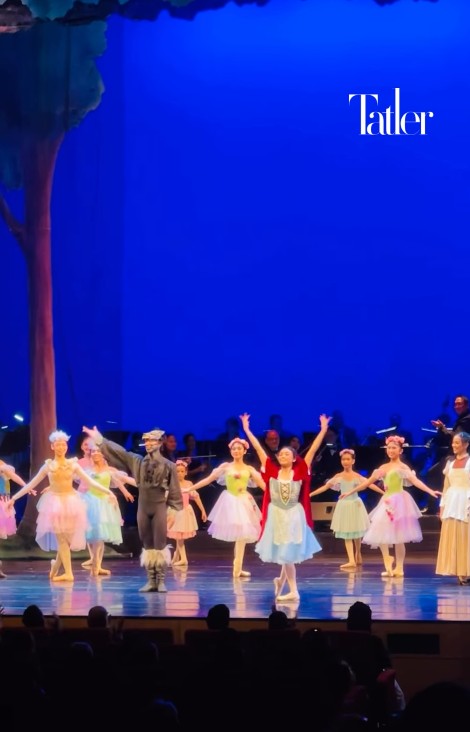
Tatler Philippines Features First-Ever Collaboration of Ballet Philippines, Rep, and MSO

Three cultural powerhouses shared the stage for a world-class, family-friendly performance and a meaningful outreach initiative.

Photo from Tatler Philippines’ Instagram Post

Tatler Philippines reports that, for the first time in Philippine performing arts history, three of the country’s premier cultural institutions united to present music, drama, and ballet on one stage in a world-class, family-friendly production.

From August 1 to 3 at The Theatre at Solaire, Ballet Philippines, together with Repertory Philippines and Manila Symphony Orchestra, staged two beloved classics—Peter and the Wolf and the full-length ballet Little Red Riding Hood.

The event was more than an artistic milestone; it was also a significant community outreach effort. As part of the program, complimentary seats were offered to families from selected barangays, ensuring that underserved communities could experience the transformative power of live performance.

Visit Tatler Philippines’ Instagram to view the post here.

Categories
BP Bulletin

Lifestyle Asia Spotlights First-Ever Collaboration of Ballet Philippines, Repertory Philippines, and MSO

The season-opening Three Masters, One Stage featured Maria Ressa in Peter and the Wolf and a mission to bring the arts to underserved communities.

Photo from Lifestyle Asia

Lifestyle Asia reports that, for the first time in Philippine performing arts history, three of the country’s premier cultural institutions—Ballet Philippines, Repertory Philippines, and the Manila Symphony Orchestra—shared the stage in a landmark collaboration. Together, their combined artistic legacies span an impressive 213 years.

Held on August 1 at The Theatre at Solaire, the Gala Performance marked the opening of Ballet Philippines’ 56th Season. The evening featured Peter and the Wolf, headlined by 2021 Nobel Peace Prize Laureate Maria Ressa as guest narrator. Prokofiev’s symphonic tale came to life through MSO’s live orchestral performance and theatrical storytelling.

But the celebration went beyond artistry. In line with Ballet Philippines’ advocacy for cultural accessibility, more than 1,000 free seats were reserved for underserved barangays, military personnel, indigenous communities, and other partner groups. The Manila Symphony Orchestra also welcomed music and non-music students—many experiencing live symphonic music for the first time.

The double bill continued with Ballet Philippines’ Little Red Riding Hood, a classical yet emotionally resonant adaptation of the beloved fable, performed with expressive choreography and rich orchestration.

Branded Three Masters, One Stage, the event not only united three artistic disciplines—ballet, theater, and music—but also showcased the transformative power of collaboration. It was an evening that entertained, educated, and brought together a diverse audience, proving that the arts can bridge communities and generations.

Read the full story in Lifestyle Asia here.

Categories
BP Bulletin

Theater Fans Manila Reviews Landmark “Three Masters, One Stage” Collaboration

Theater Fans Manila reviews how Repertory Philippines, the Manila Symphony Orchestra, and Ballet Philippines interpreted Peter and the Wolf and Little Red Riding Hood into a fusion of music, dance, and theater.

L-R: Jemima Reyes-Ocampo, Rudolph Capongcol; Elian Santos as Peter; Photos c/o Repertory Philippines

In its review, Theater Fans Manila notes that for the first time in the country, Peter and the Wolf stepped beyond music to become a fully realized spectacle of theater, dance, and storytelling. Repertory Philippines (REP), the Manila Symphony Orchestra (MSO), and Ballet Philippines (BP) united for Three Masters, One Stage—a landmark collaboration aimed at captivating young audiences with the magic of the performing arts.

The program featured a dance-theater interpretation of Peter and the Wolf alongside BP’s premiere of Little Red Riding Hood. Both beloved tales share a central theme: a child’s innocence confronted by the cunning of the wild, with adults stepping in to protect and guide.

Read the full review by Marge Enriquez for Theater Fans Manila here.

Ballet Philippines
Privacy Overview

This website uses cookies so that we can provide you with the best user experience possible. Cookie information is stored in your browser and performs functions such as recognising you when you return to our website and helping our team to understand which sections of the website you find most interesting and useful.