The Daily Tribune’s coverage captures the spirit of Ballet Philippines’ Mad Hatter–inspired gala night.
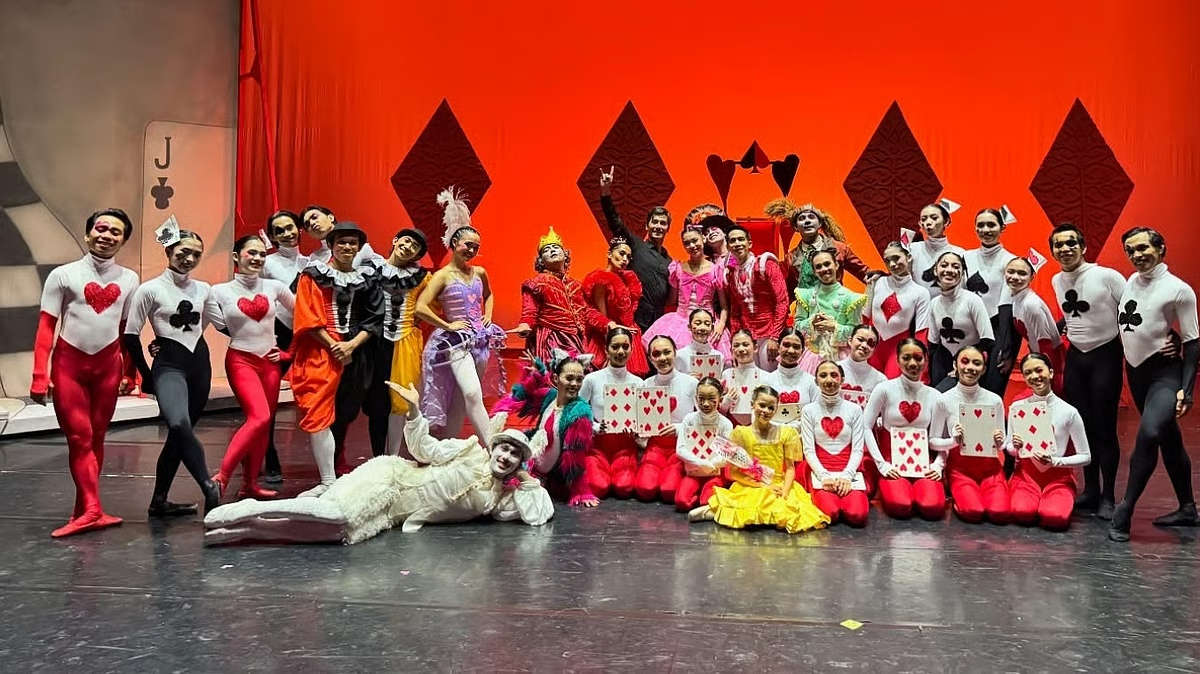
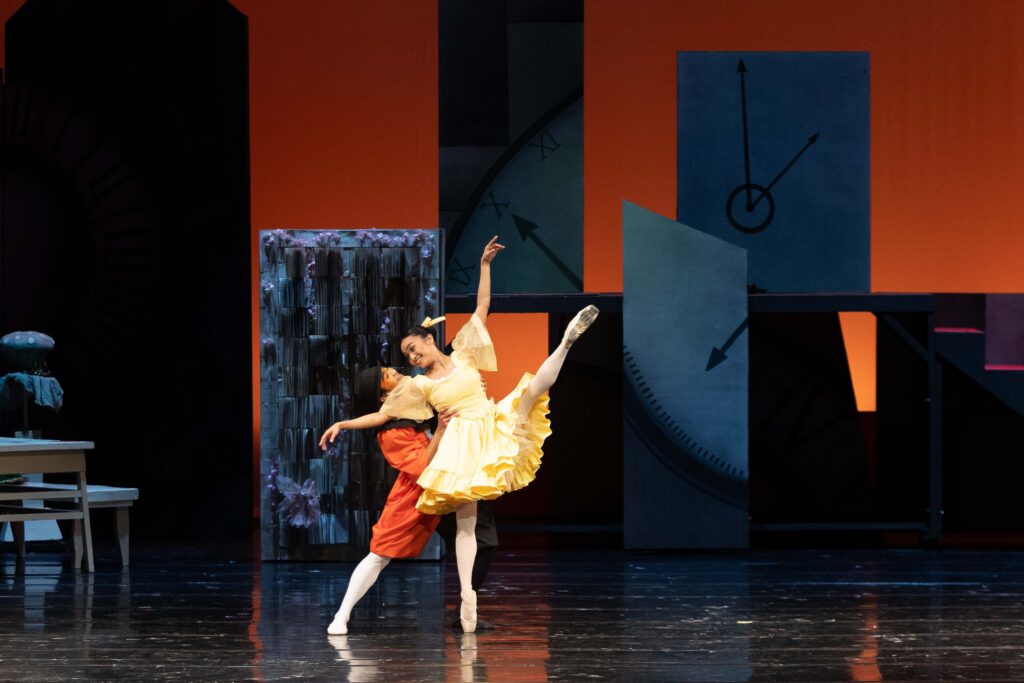
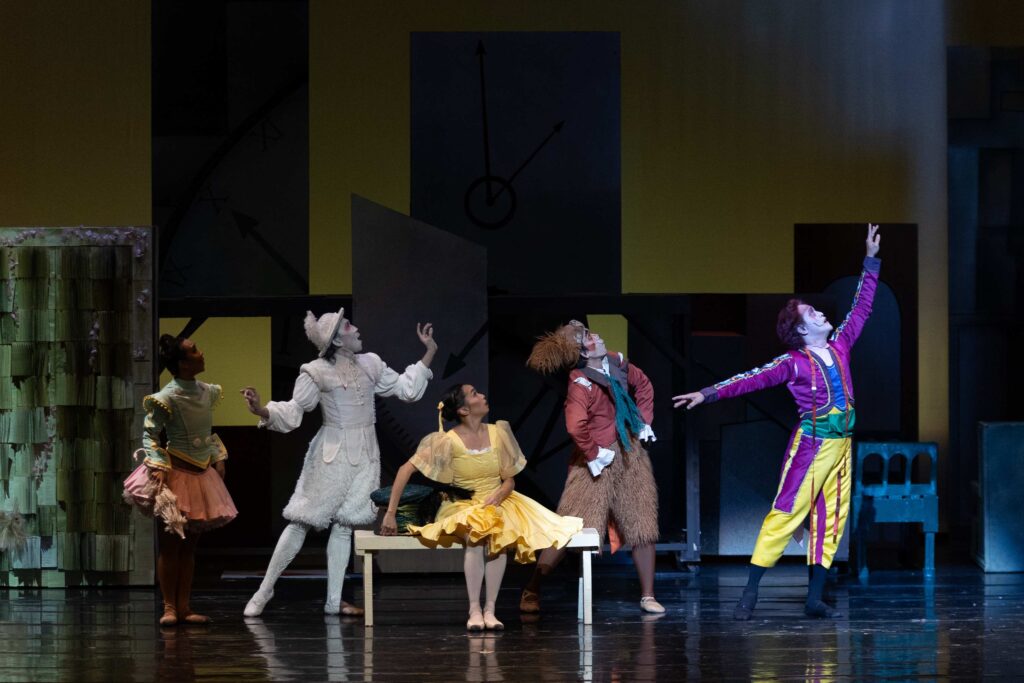
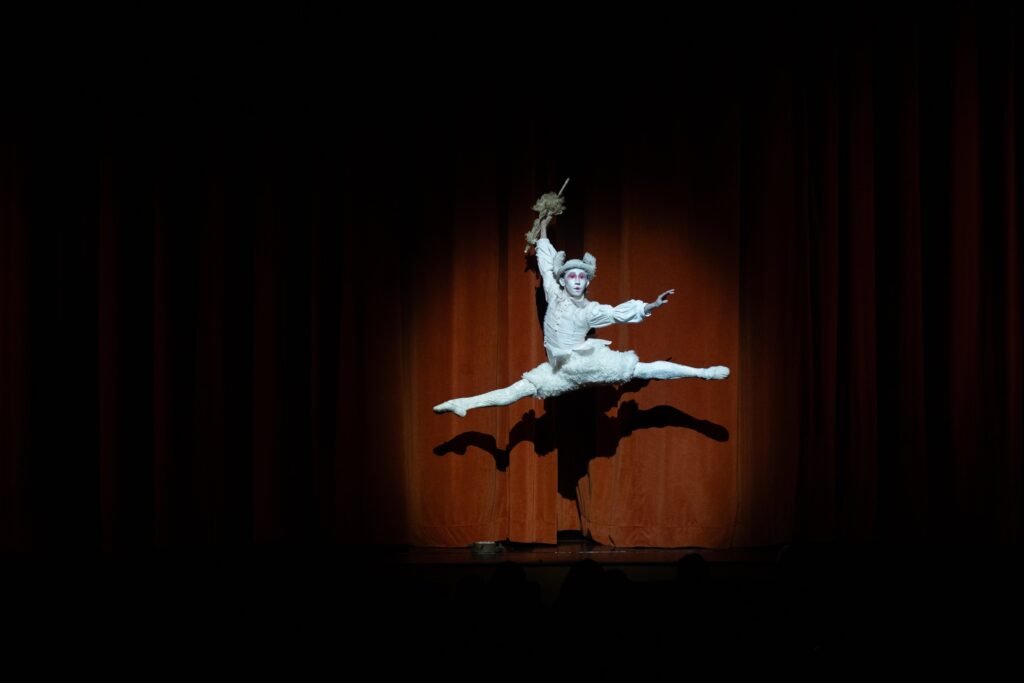
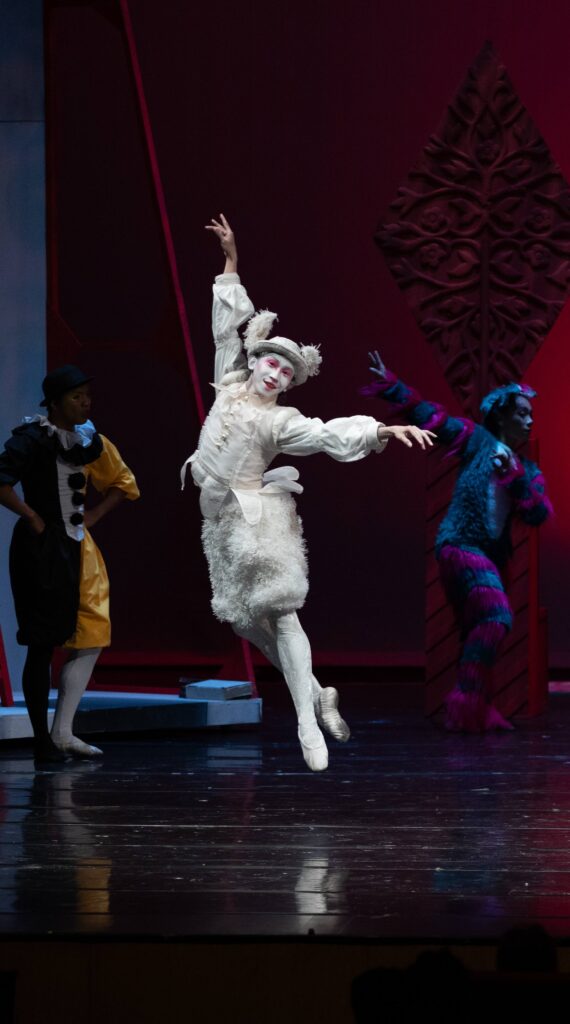
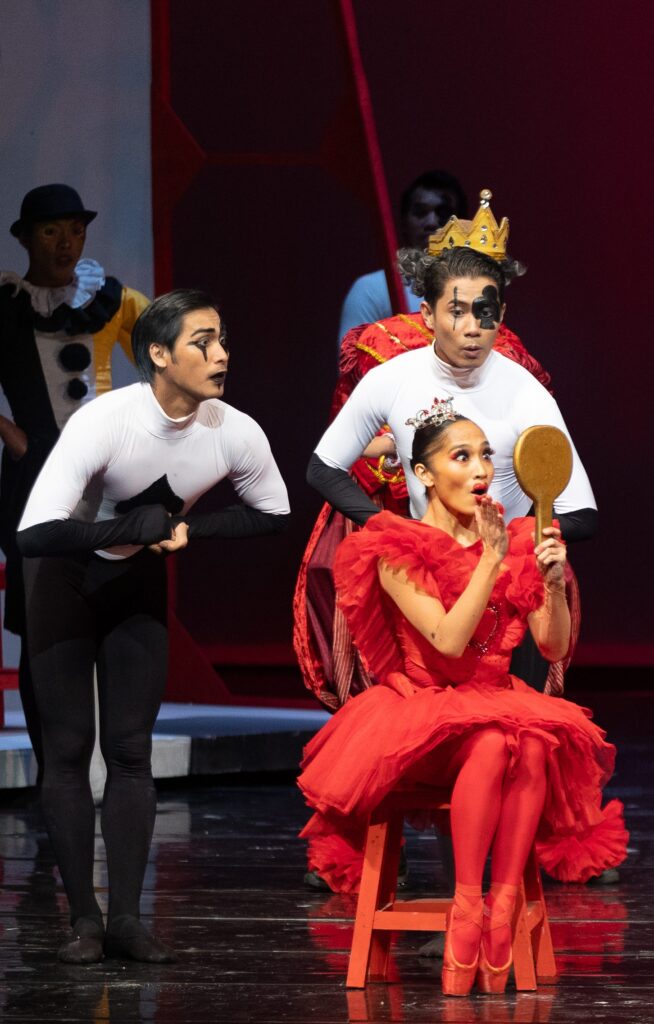
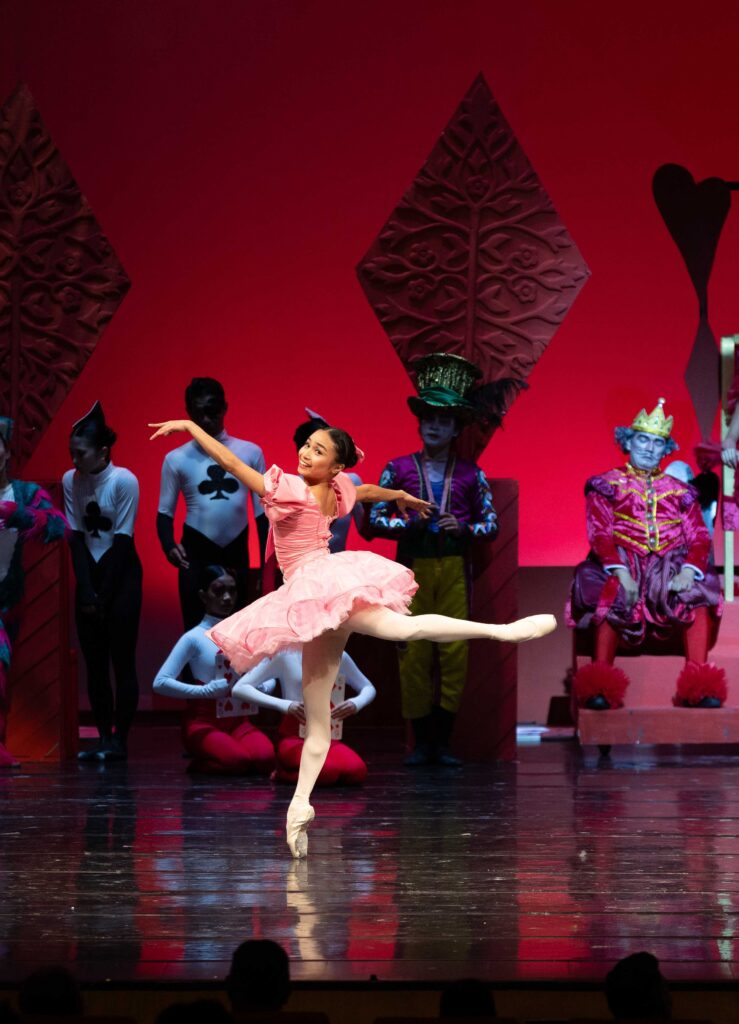
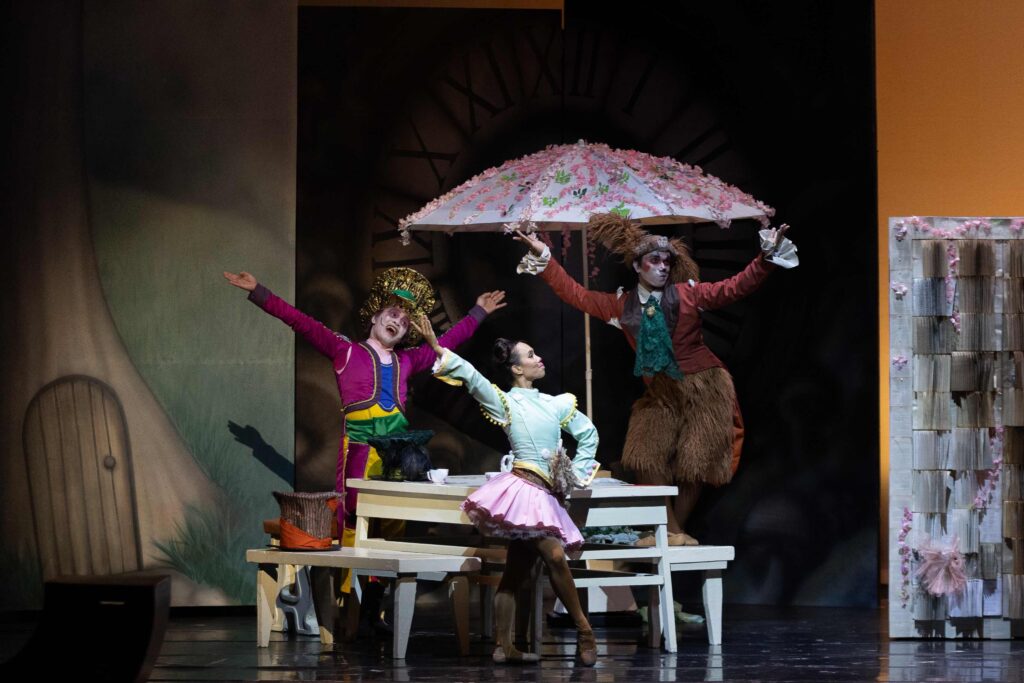
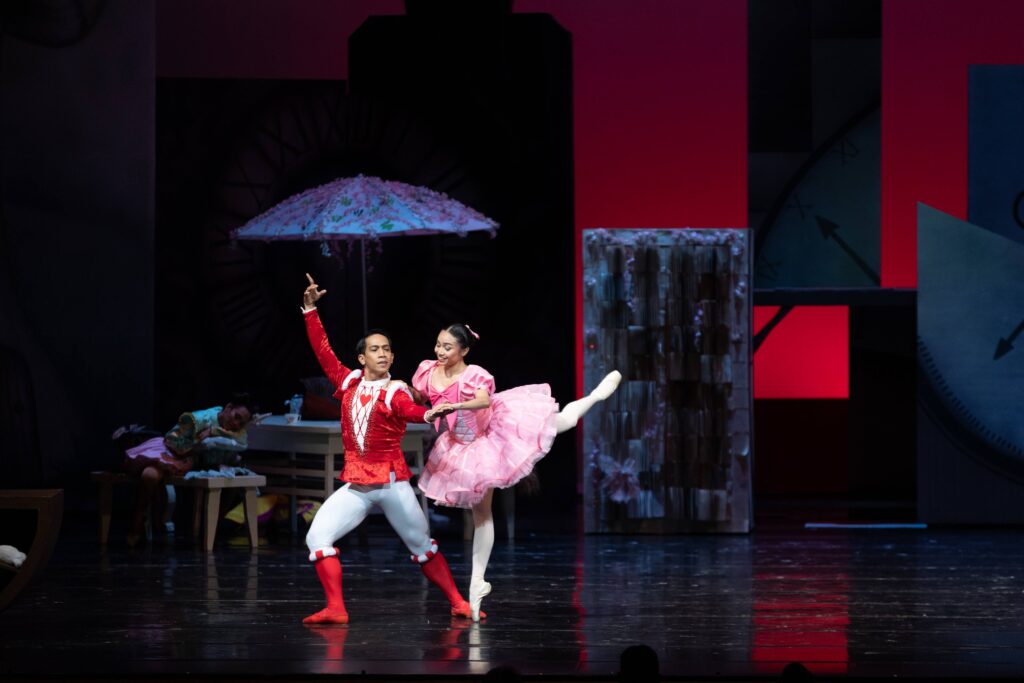
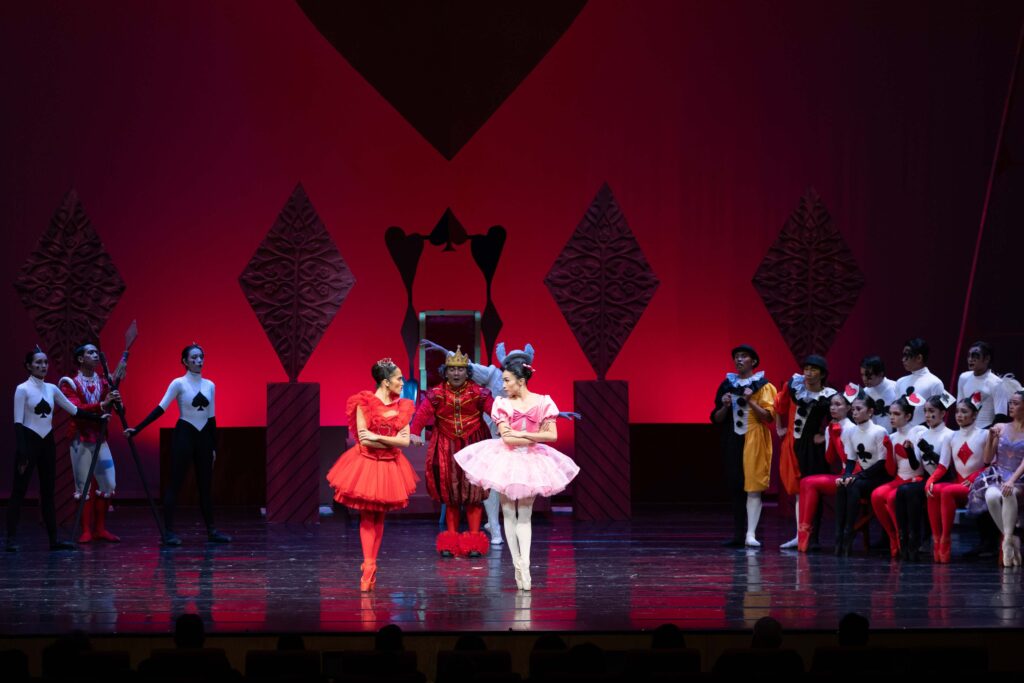
The cast of Ballet Philippines’ Alice in Wonderland
Ballet Philippines’ holiday presentation at the Theatre at Solaire was featured by Luis Espiritu of the Daily Tribune, who captured the festive spirit surrounding the company’s much-anticipated seasonal event. His article highlighted how audiences and guests braved the holiday rush to step into a whimsical wonderland inspired by a beloved fantasy, transformed into a full theatrical experience.
The story described the Mad Hatter’s Tea Party Gala Night held on 5 December 2025, where guests embraced imaginative, fashion-forward costumes reflecting characters from the fantastical world—from the Rabbit Hole to the Queen’s Court. The evening was noted for its vibrant atmosphere, playful style, and the strong presence of families and children eager to be part of the celebration.
Espiritu’s piece emphasized how the performance and its surrounding festivities evoked a sense of nostalgia, curiosity, and imagination, underscoring Ballet Philippines’ ability to create an immersive holiday experience that invites audiences to rediscover wonder and possibility during the season. Read Daily Tribune’s full story by Luis Espiritu here.
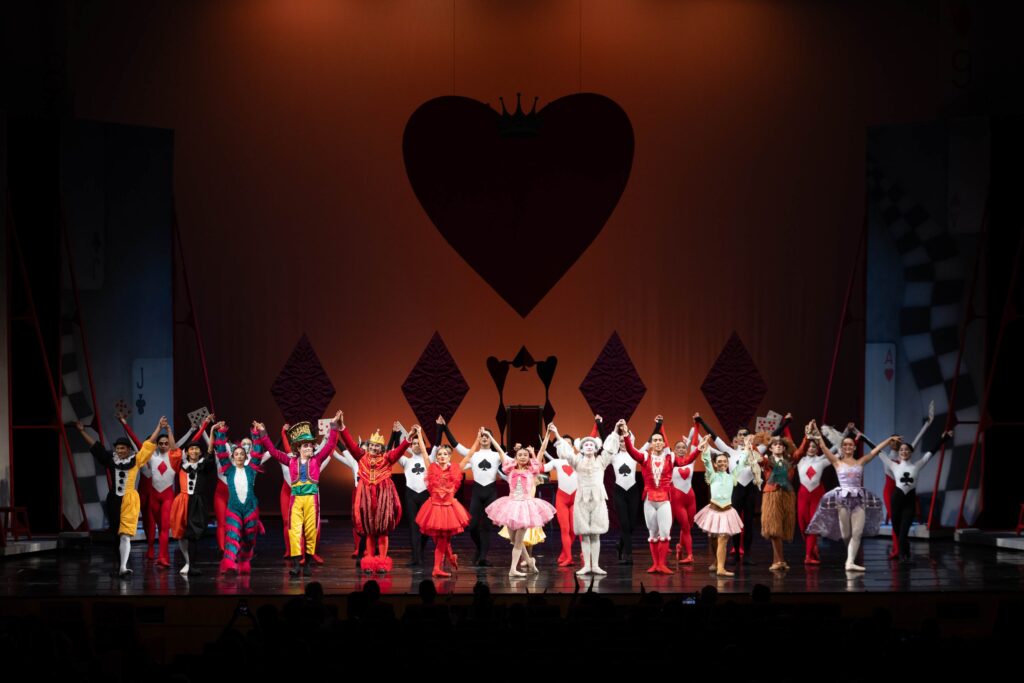
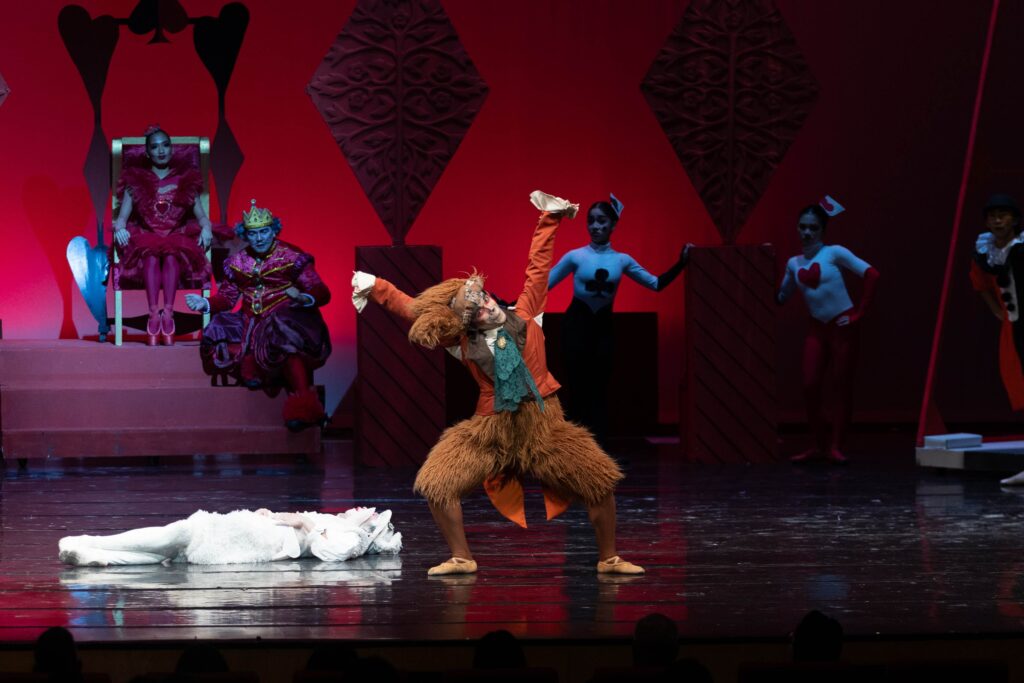
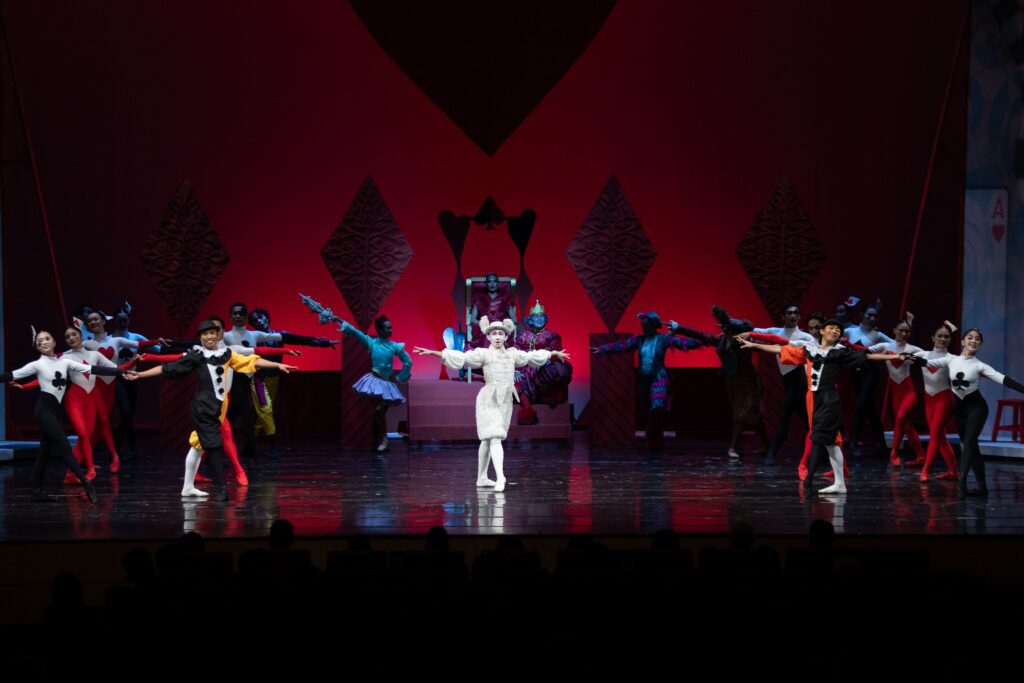
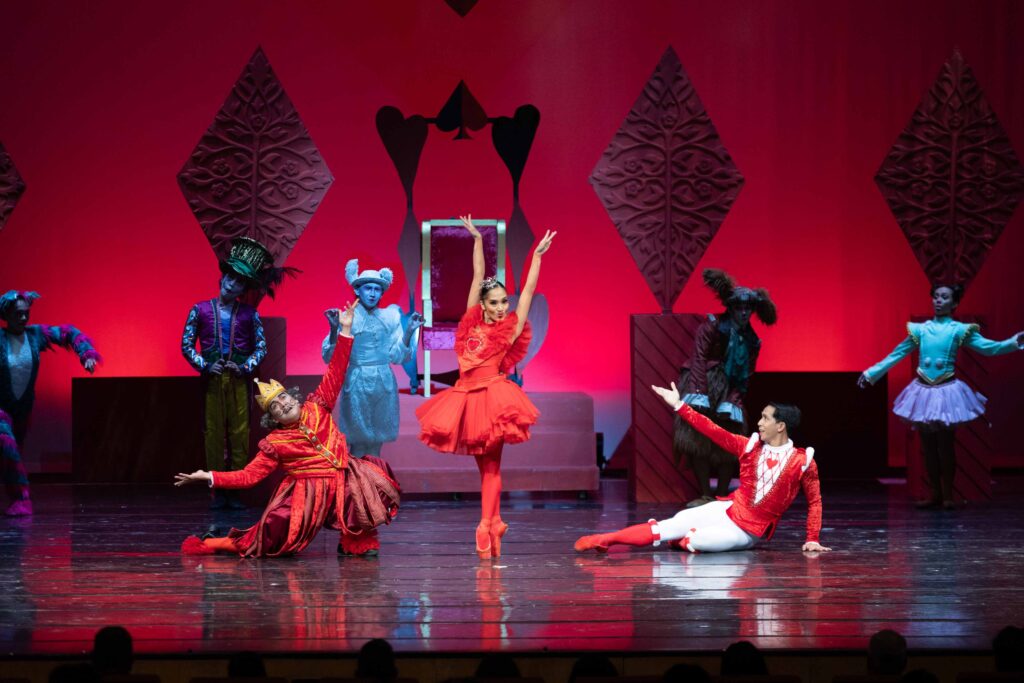
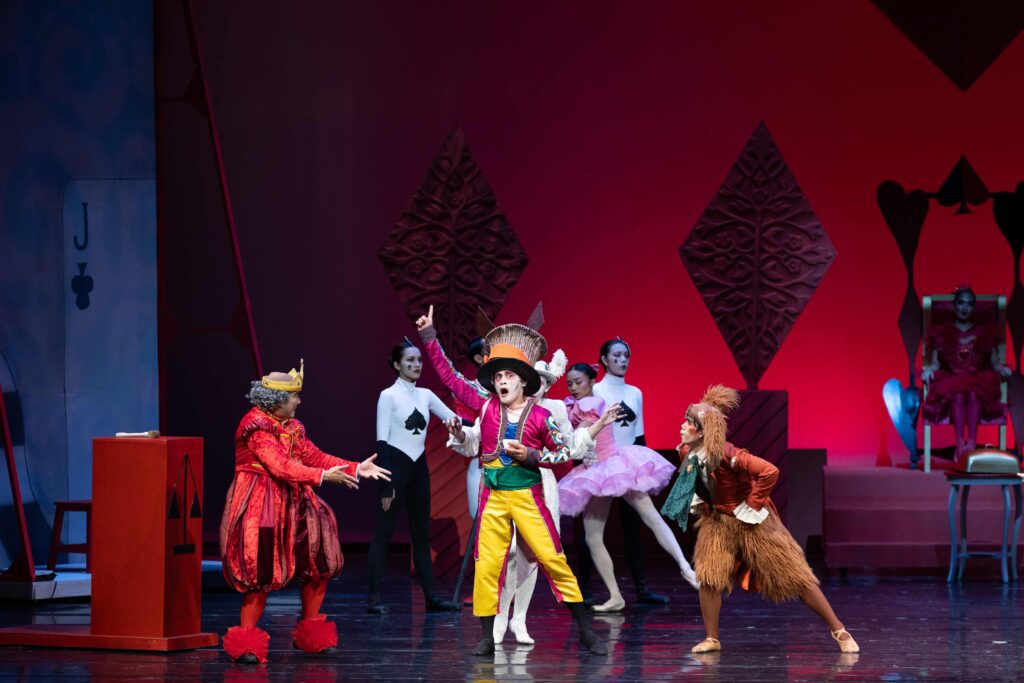
Ballet Philippines marked the opening of its Christmas season with the Gala Night of Alice in Wonderland on December 5 at the Theatre at Solaire, ushering audiences into a visually spectacular and emotionally engaging reimagining of the beloved classic. The full-length ballet forms part of the company’s 56th Season and showcases a completely original adaptation choreographed by Artistic Director Mikhail Martynyuk.
The gala evening introduced audiences to Martynyuk’s distinctive vision of Alice in Wonderland, where technical rigor meets playful theatricality through a blend of inventive choreography and plastic comedy pantomime. Inspired by Lewis Carroll’s timeless tale, the production unfolds as a dreamlike journey in which imagination takes precedence and logic bends at every turn.
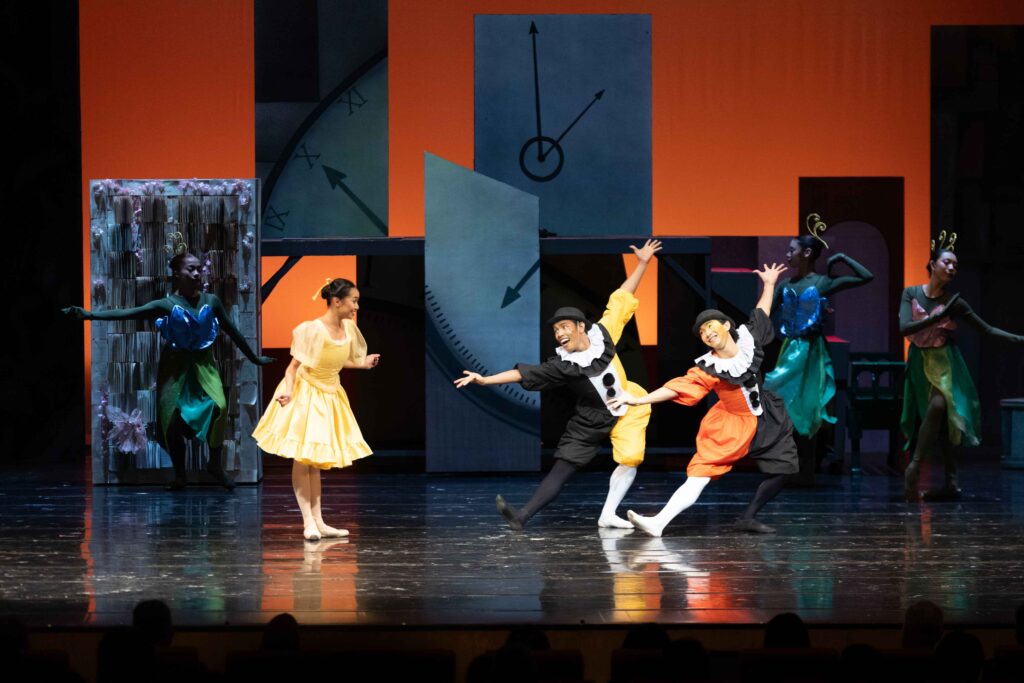
The story follows Alice, a curious young girl whose pursuit of the White Rabbit leads her into the fantastical world of Wonderland. Her adventure takes her through magical doors, enchanted gardens, and peculiar encounters that test her curiosity and courage. Each chapter of Alice’s journey is vividly translated into movement, bringing to life memorable scenes such as the Mad Hatter’s tea party, the Caterpillar’s enigmatic guidance, and the chaotic court of the Queen of Hearts, where order and justice are constantly upended.
Distinctive to this production is Martynyuk’s choreographic approach, which challenges the dancers technically while amplifying the narrative through expressive mime and theatrical storytelling.
The result is a ballet that balances visual spectacle with emotional depth, offering an immersive experience designed to engage audiences of all ages.
The Gala Night performance set the tone for the rest of the production’s limited run, positioning Alice in Wonderland as one of the most anticipated highlights of Ballet Philippines’ 56th Season—a season dedicated to creativity, storytelling, and the enduring magic of dance.
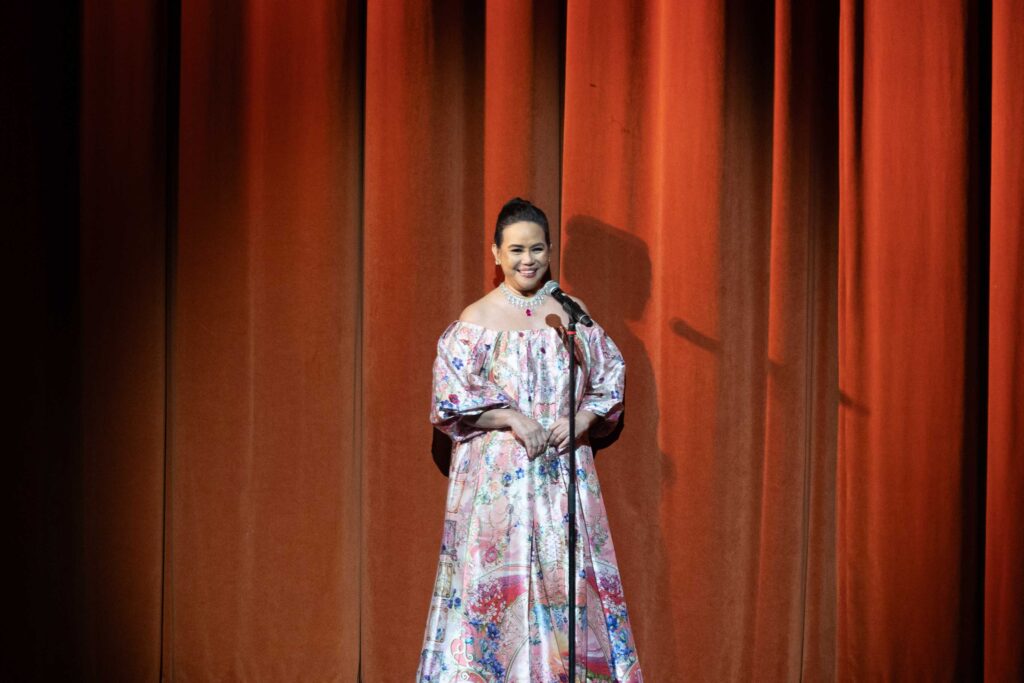
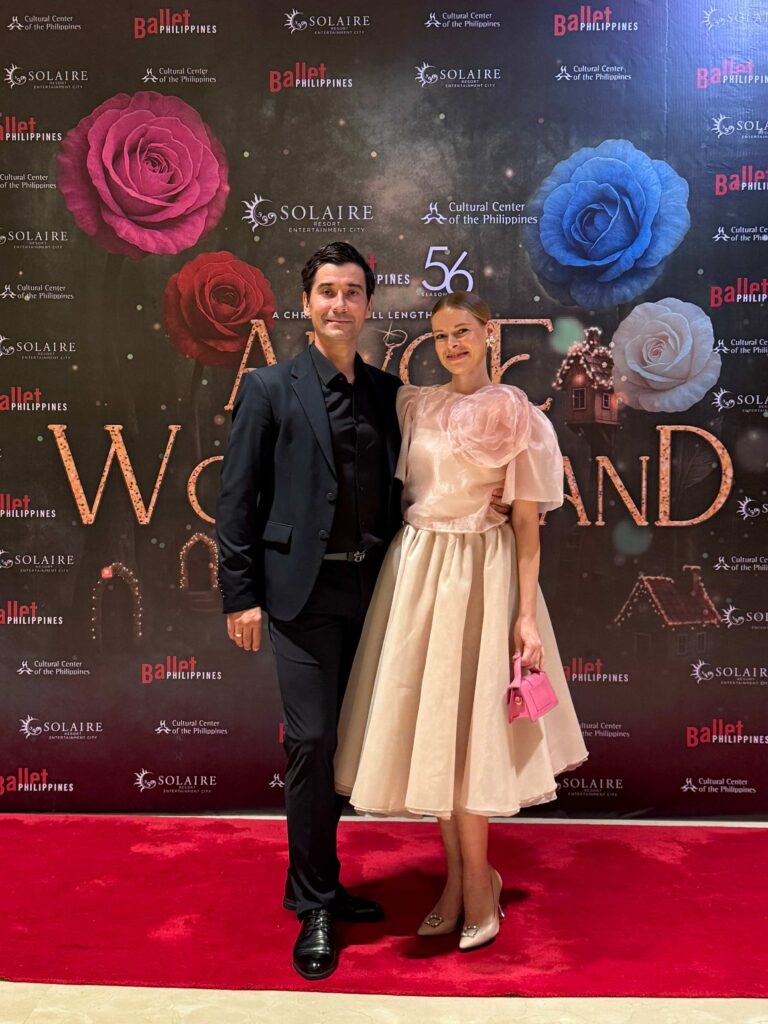
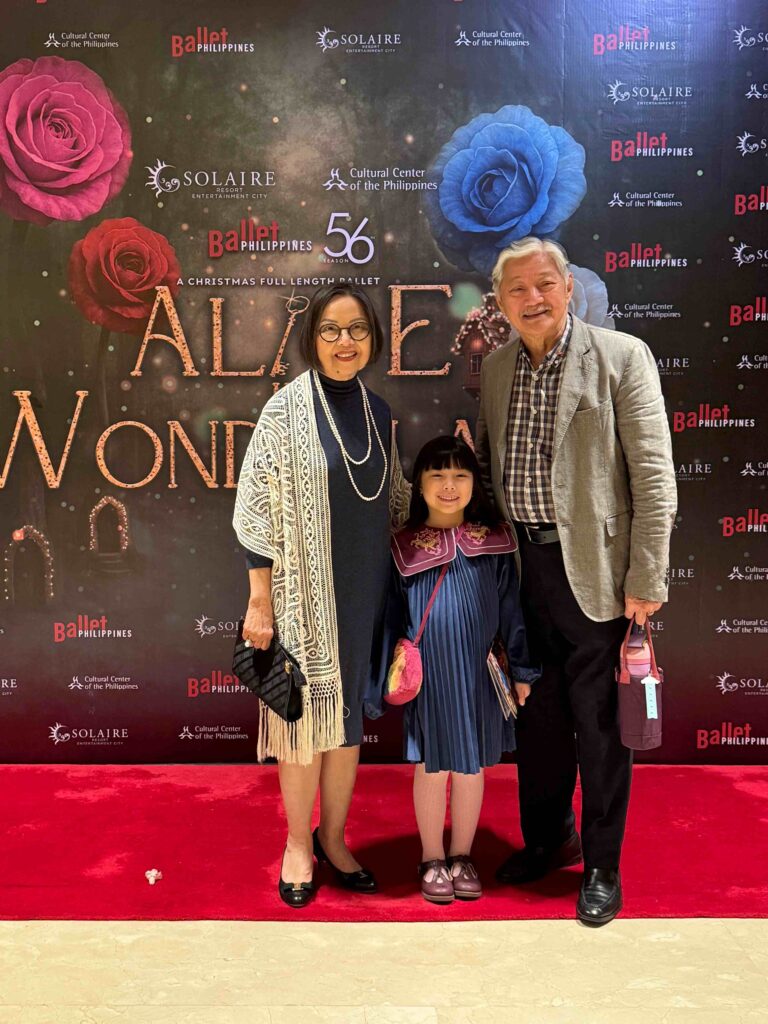
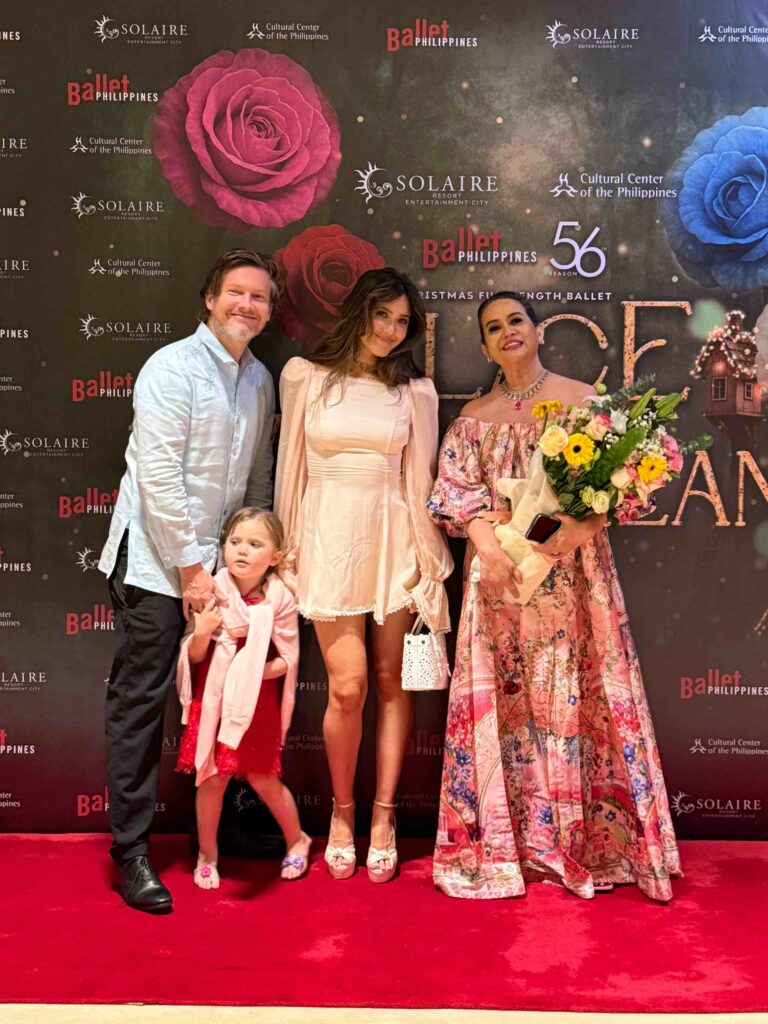
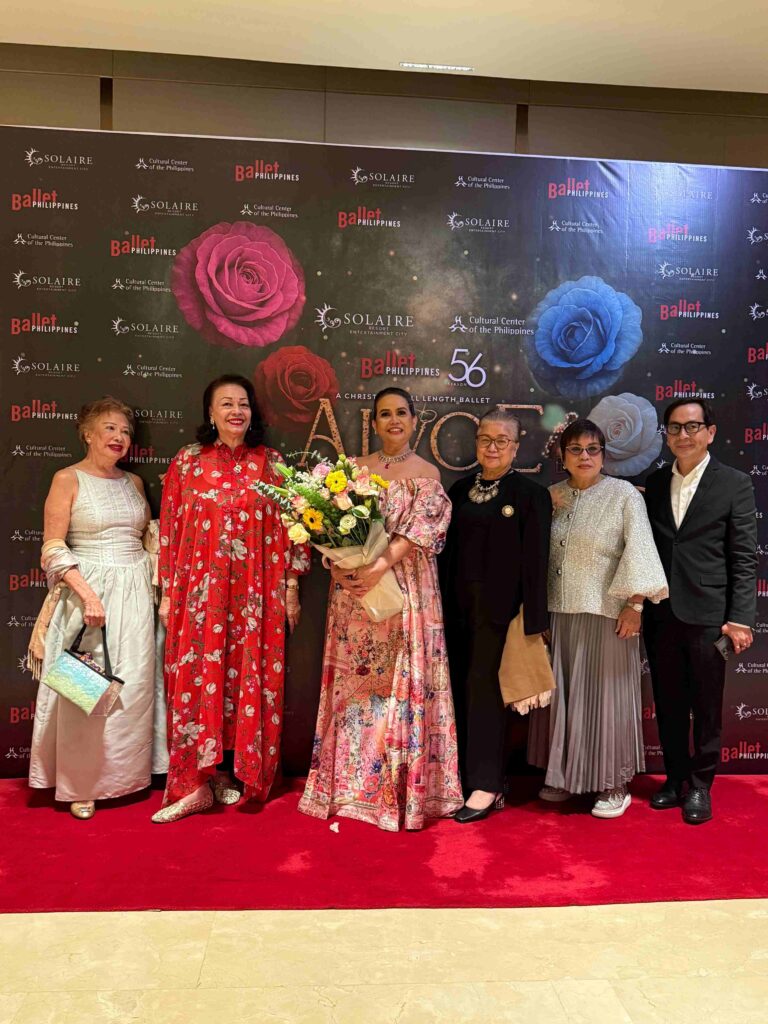
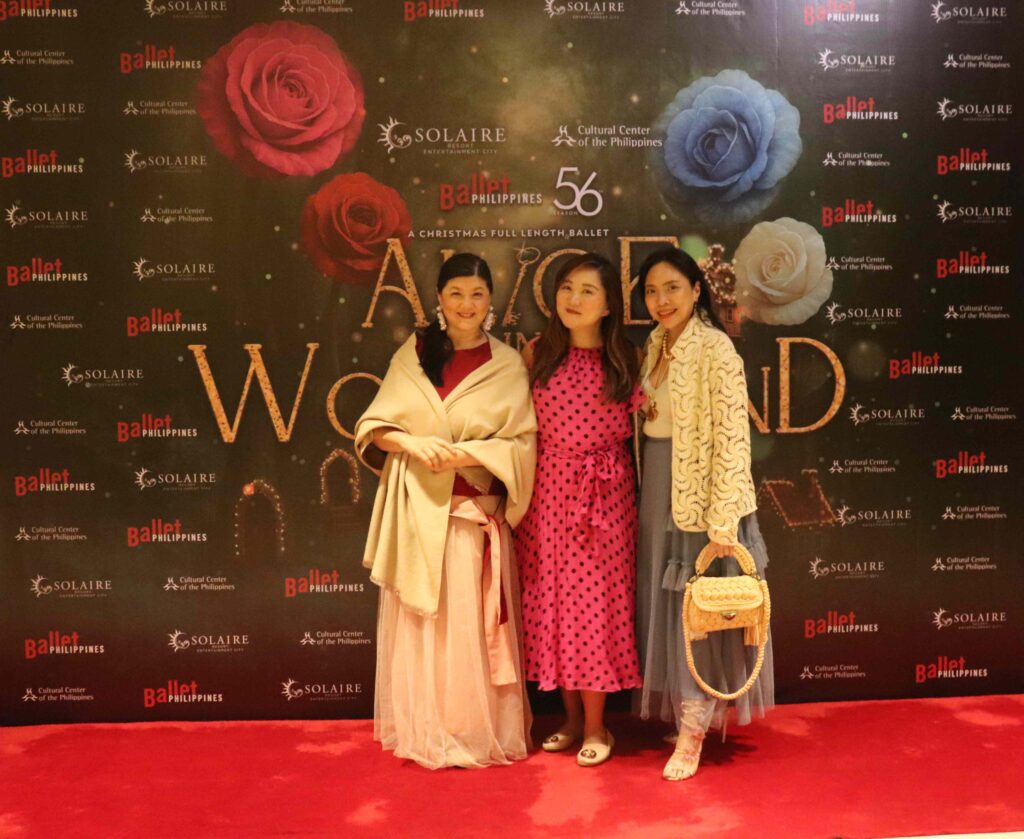
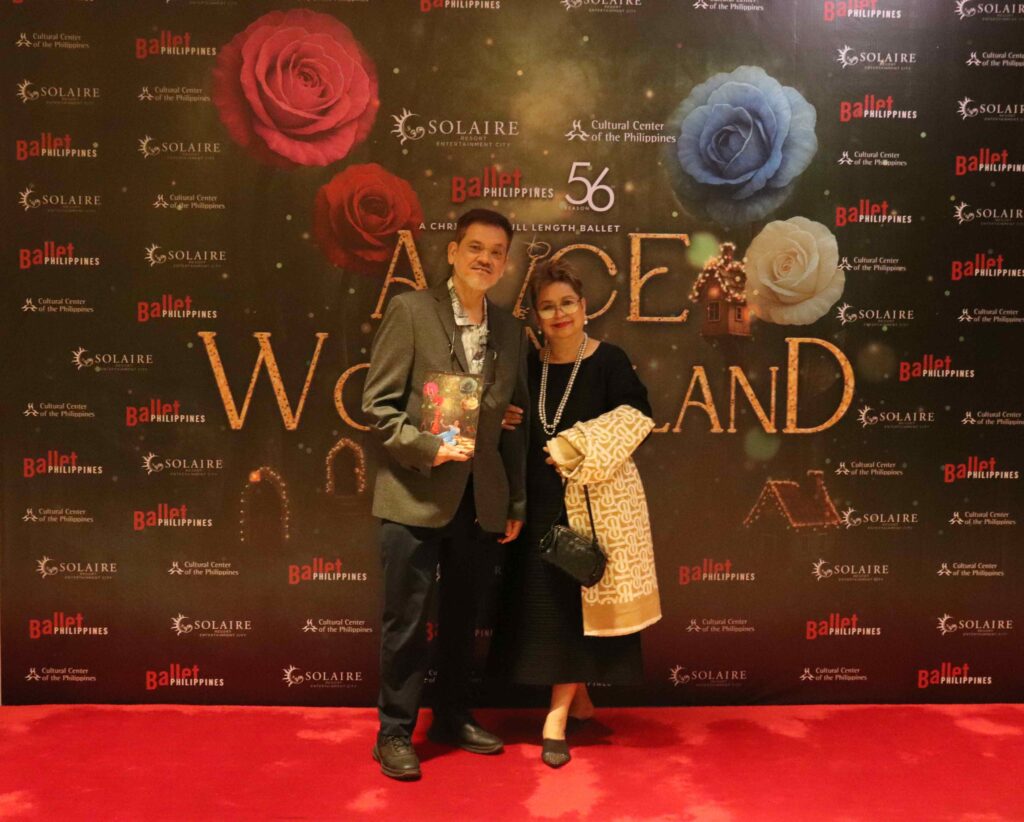
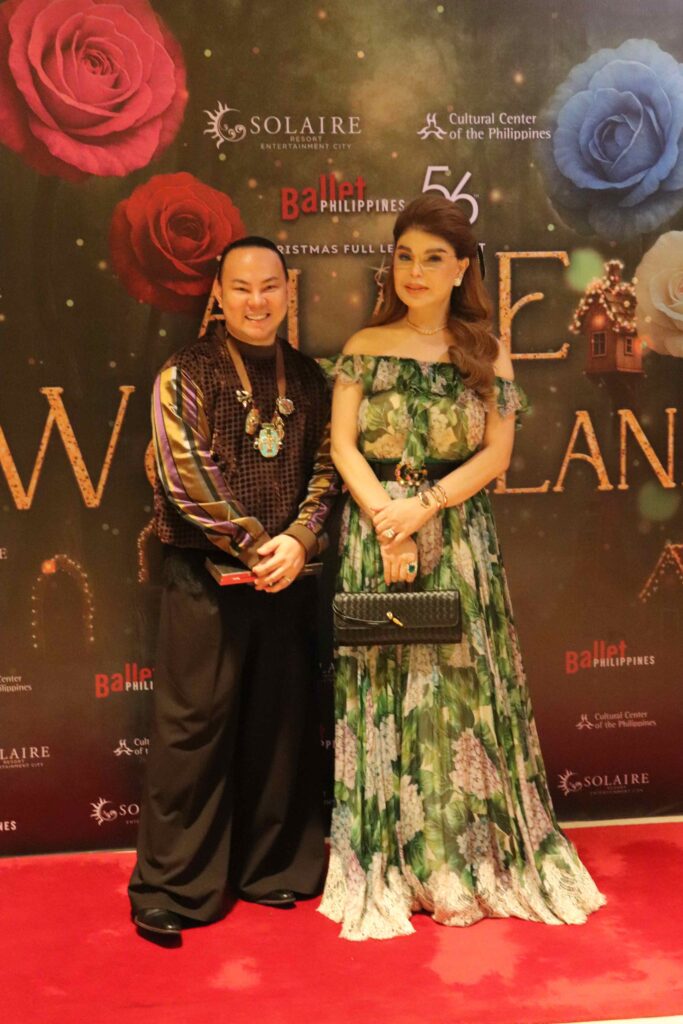
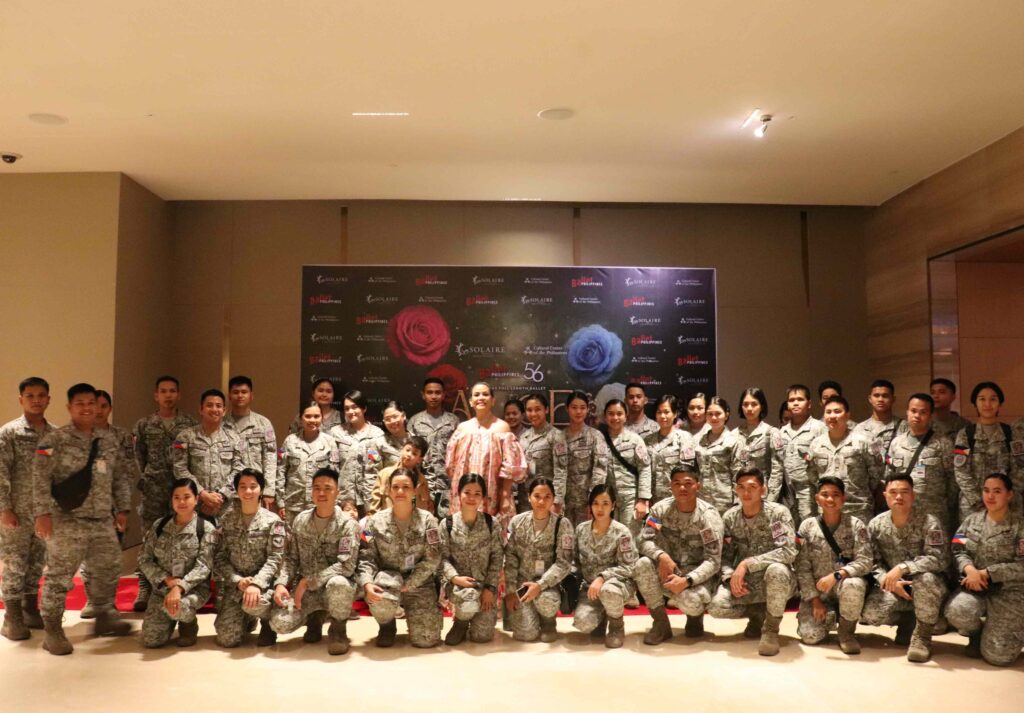
Below is a gallery of photographs from the Gala Night which captures the distinguished guests who joined Ballet Philippines in celebrating the opening of this holiday production.
BP Chairman Antonio O. Cojuangco, BP President Kathleen Liechtenstein, Dominique Cojuangco Hearn, Michael HearnKathleen LiechtensteinBP Artistic Director Mikhail Martynyuk with wife Elya MartynyukMarie & Yoyet Garcia with granddaughter TalaPatrick, Kifu & River Coard with Kathleen LiechtensteinSonya Garcia, Ping Valencia, Kathleen Liechtenstein, Cookie Feria, Atty. Lorna Kapunan, Arnel PatawaranCarissa Evangelista, Kat Chan, Frances EspinosaFranklin & Michie KleinerJor-el Espina & Barbie ArcacheCecile Carlos-JanicekAngel AgustinThe Philippine Air ForceThe Philippine Army
Alice in Wonderland runs for five performances from December 5 to 7, 2025 at the Theatre at Solaire, with shows scheduled on December 6 and 7 at 2:00 PM and 7:00 PM.
For media inquiries, please contact Rosary Ysmael at 0917 724 1007.
Part 3 of 3 stories written by Irene de Jesus Obligacion for The Manila Times, highlighting the artistry, strength, and inspiring journey of Ballet Philippines’ lead dancer in Alice in Wonderland.
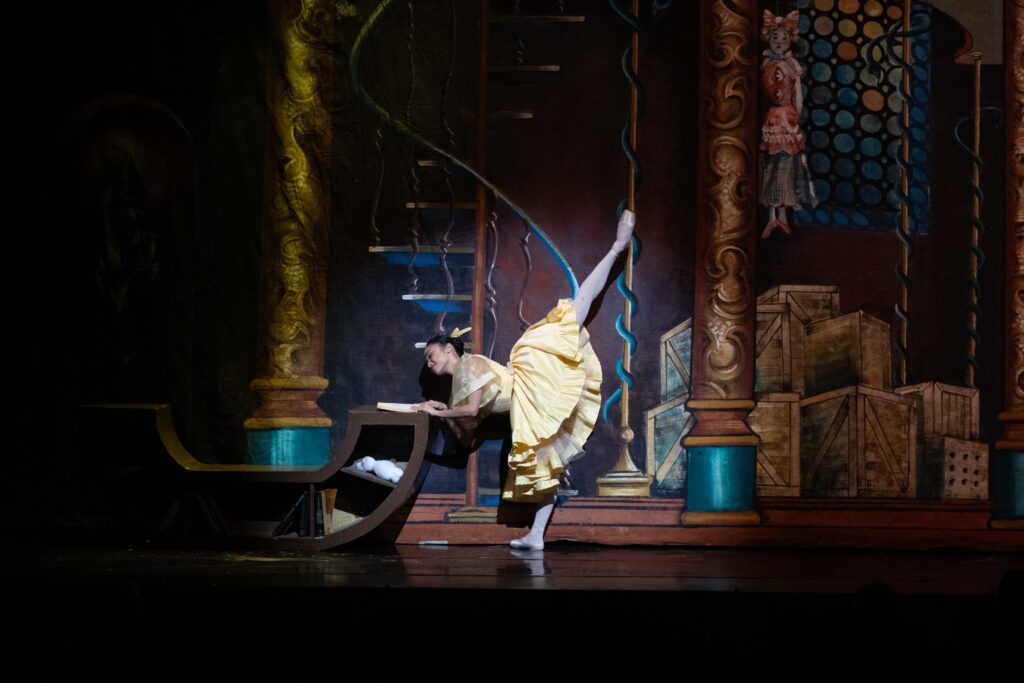
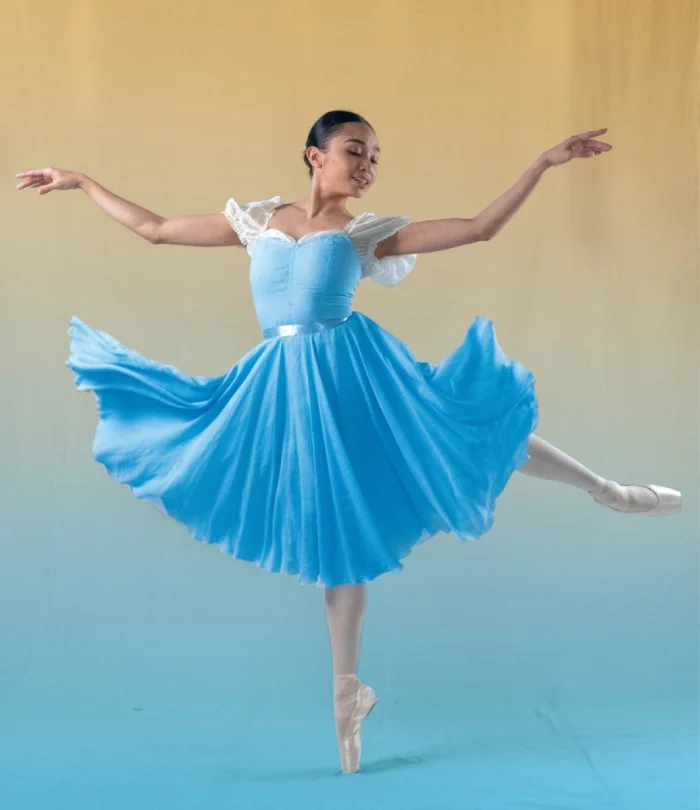
As Ballet Philippines prepares to unveil Alice in Wonderland this December, principal dancer Jemima Reyes steps into the spotlight as Alice — a role that mirrors her own journey of curiosity, courage, and self-discovery. A graduate of the Philippine High School for the Arts and De La Salle–College of Saint Benilde, Jemima’s path from scholar to company apprentice and now principal dancer reflects years of discipline, artistry, and unwavering passion. Her performances in Don Quixote, Romeo and Juliet, Swan Lake, La Sylphide, and Peter Pan have cemented her reputation as one of the company’s most compelling artists.
BP’s principal dancer, Jemima Reyes stars as Alice in Alice In Wonderland
In Alice in Wonderland, Jemima channels both technical excellence and emotional depth, bringing to life a character who embodies wonder, growth, and resilience. She sees each performance as a continuation of her artistic evolution — an opportunity to merge skill with sincerity and connect authentically with audiences. Beyond the stage, Jemima embraces new dimensions of her life, balancing her dedication to ballet with the joy of newly married life and dreams of motherhood. Her story is a testament to the modern Filipino artist — strong, graceful, and ever-evolving, finding harmony between art and life.
Audiences can witness Jemima Reyes’ radiant portrayal of Alice in Ballet Philippines’ Alice in Wonderland, running from December 5 to 7 at The Theatre at Solaire. For tickets and more details, visitballet.ph.
Read the full story by Irene de Jesus Obligacion for The Manila Times.
A meaningful exchange with the Indigenous Tagakaolo Tribe in Saranggani and an inspiring performance at Mindanao Art 2025 highlight the company’s commitment to cultural exchange and advocacy.
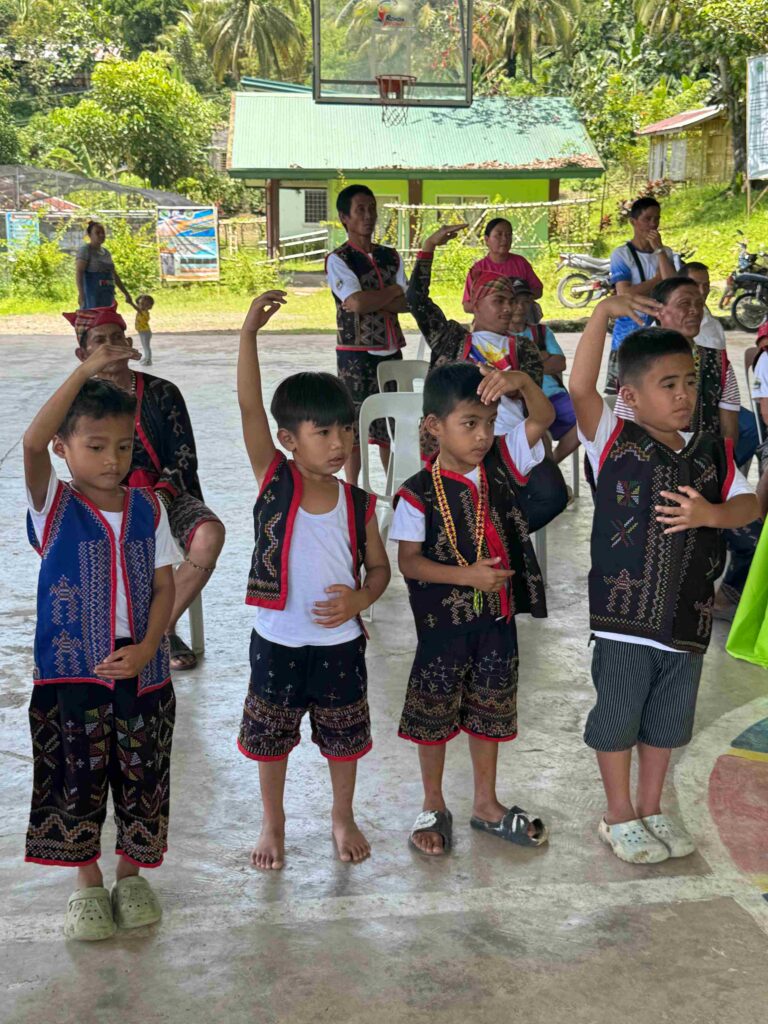
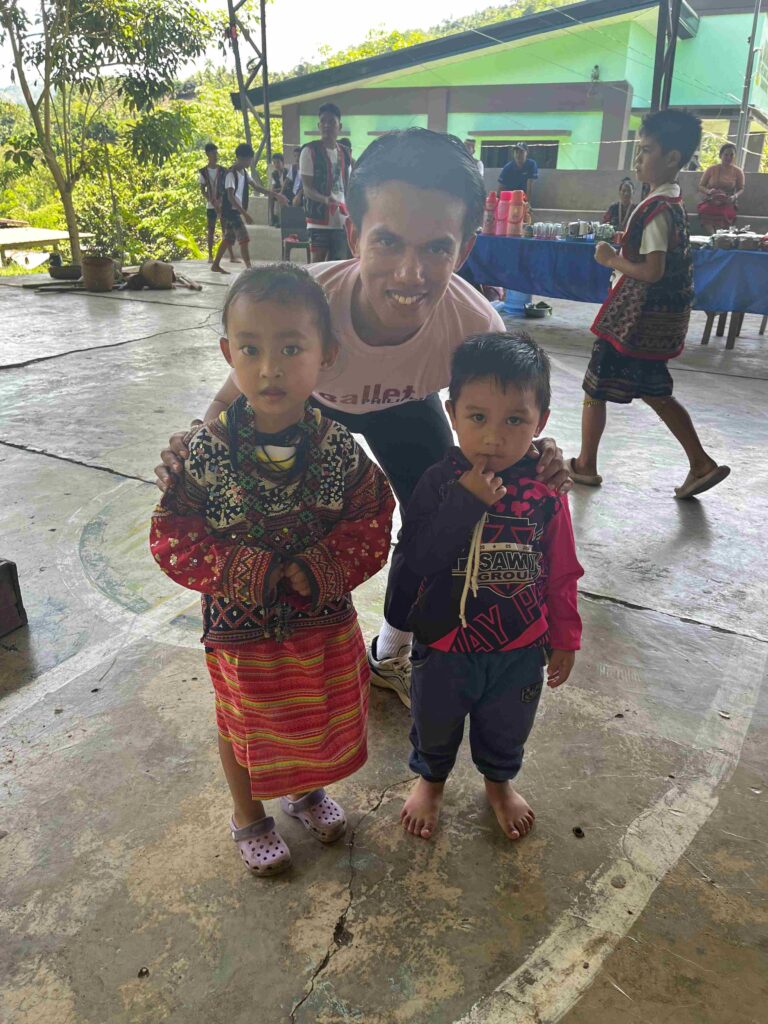
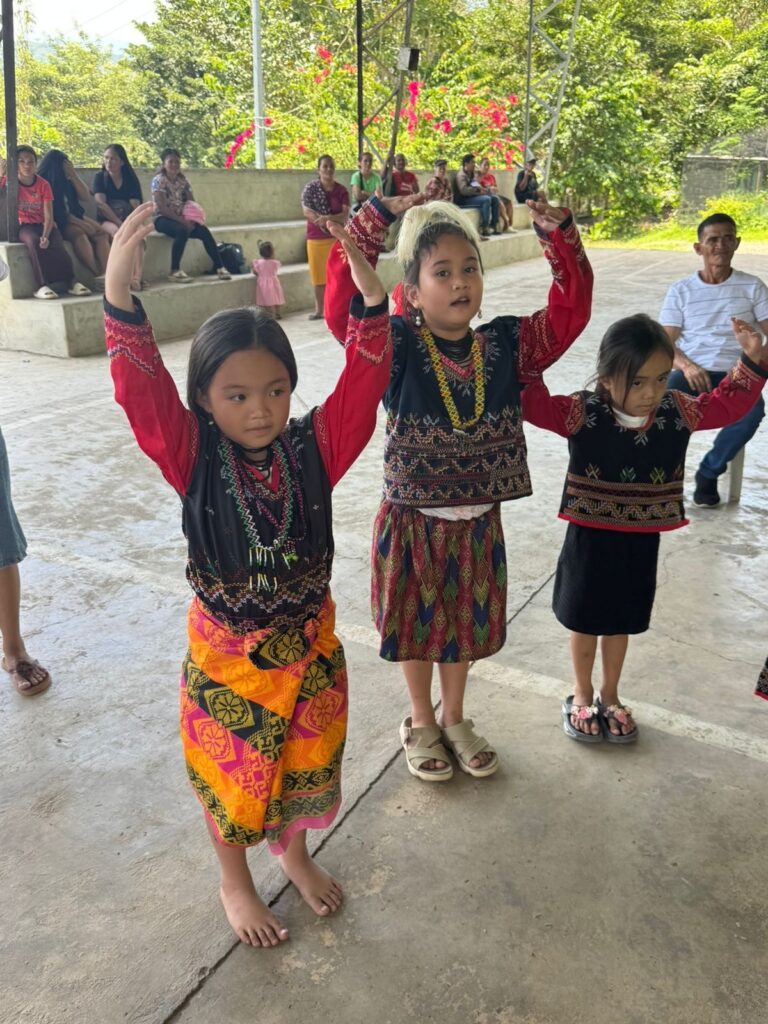
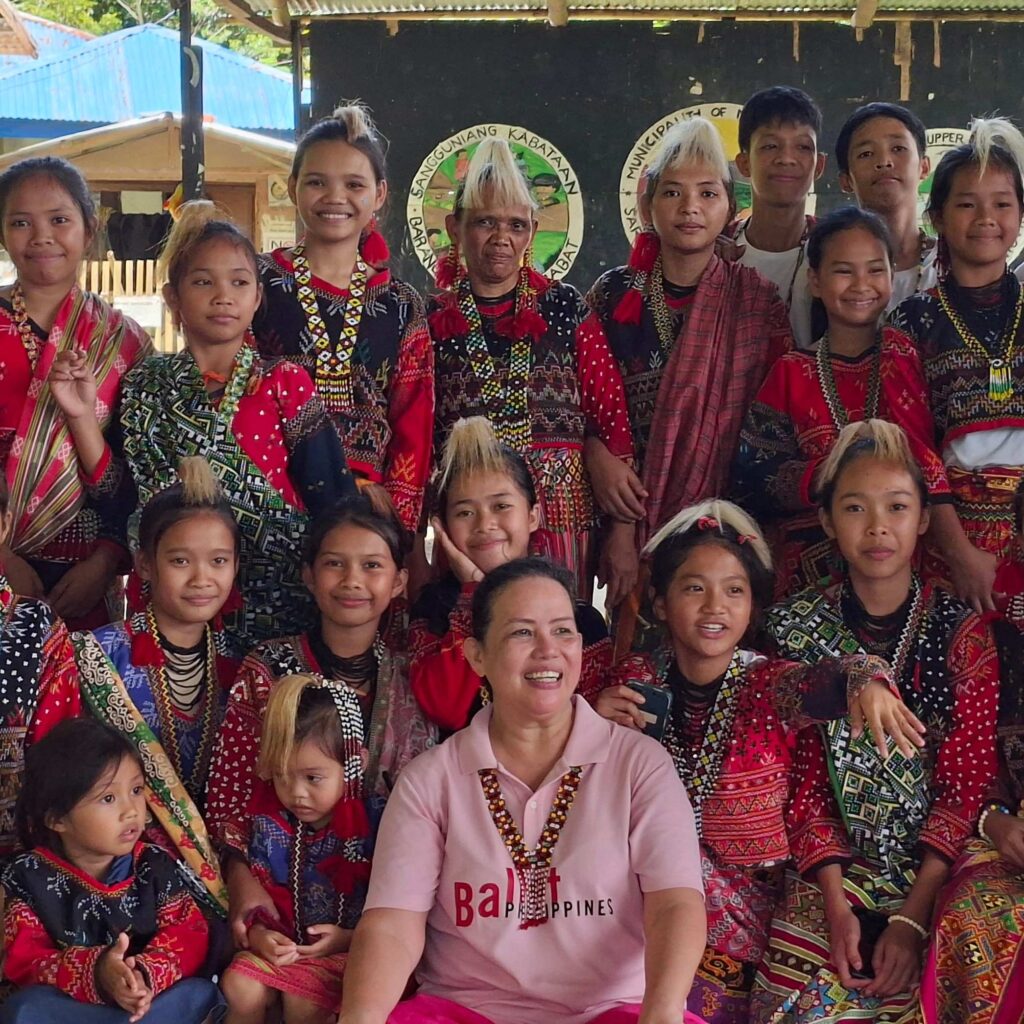
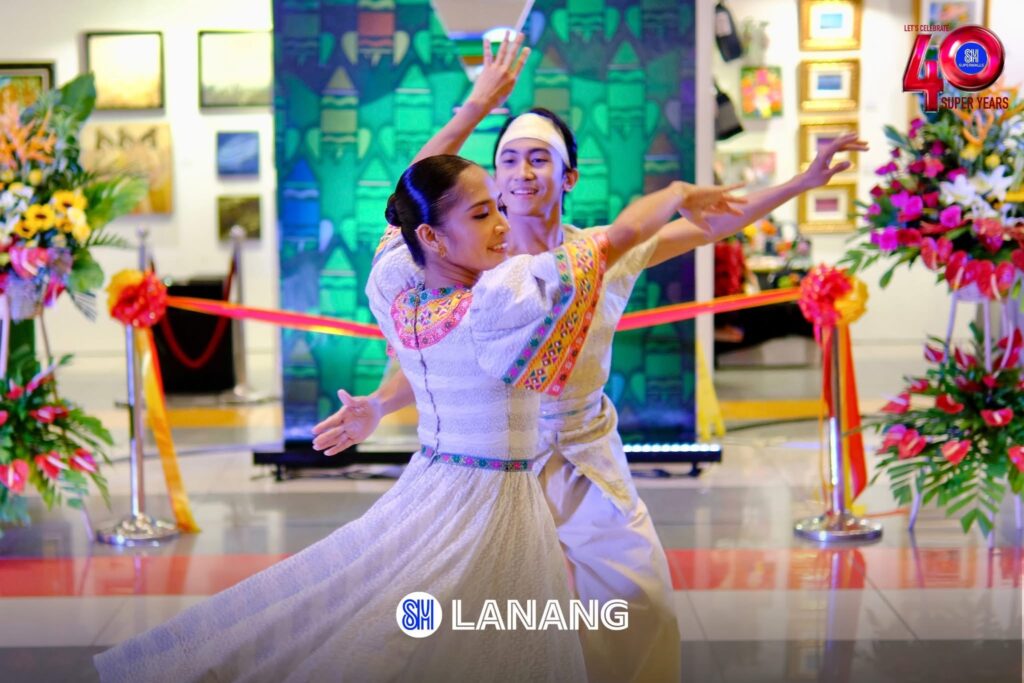
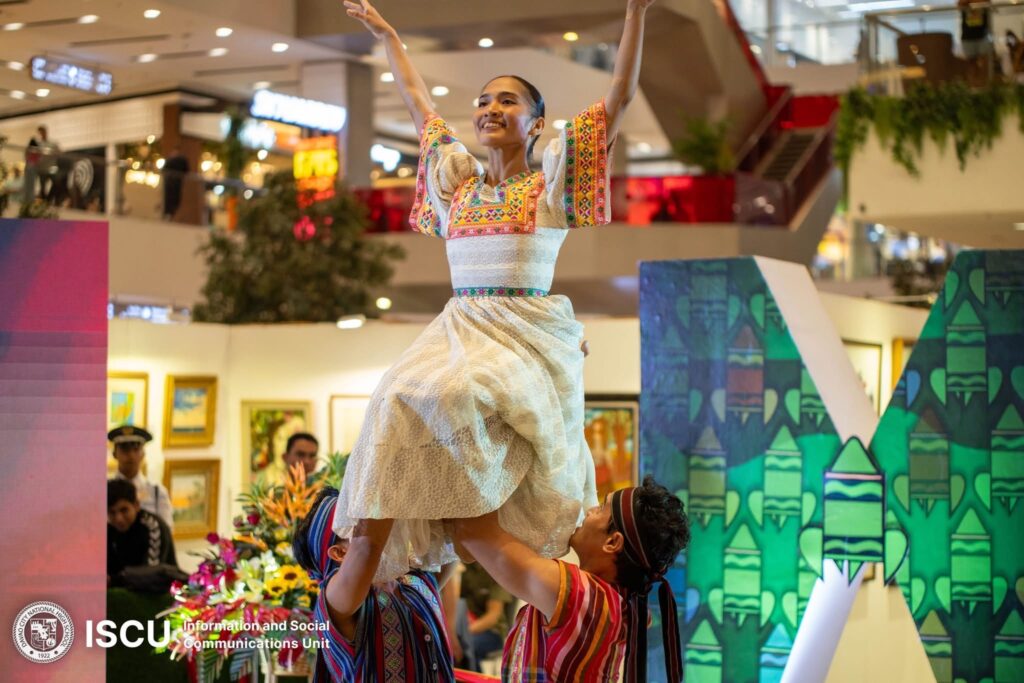
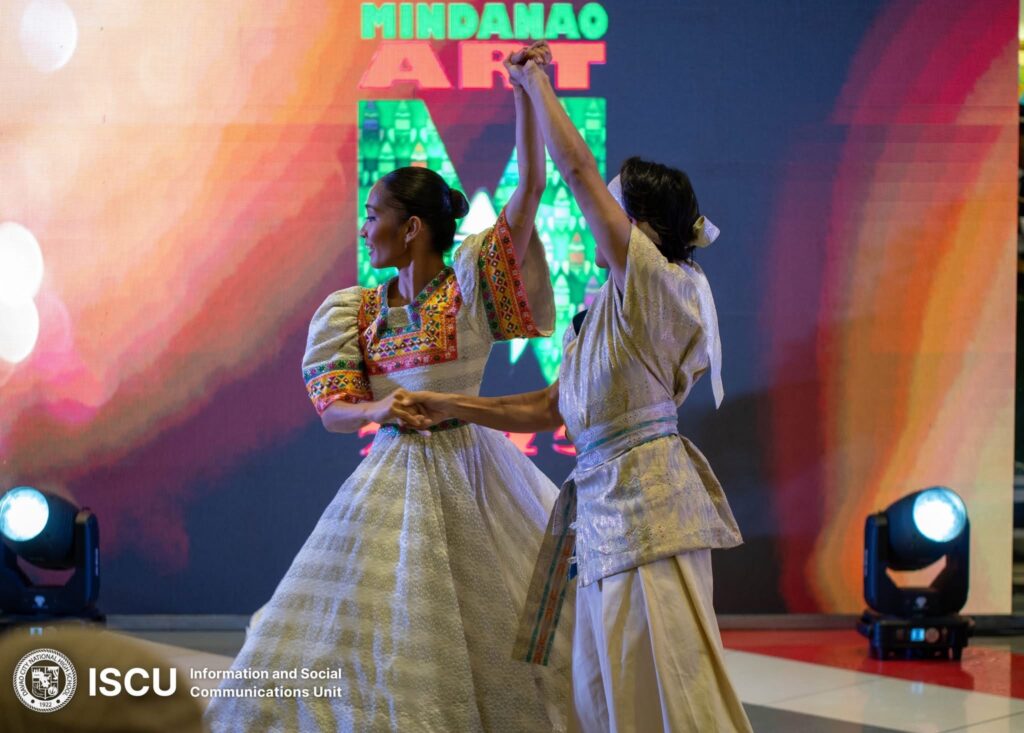
Ballet Philippines (BP), the country’s leading classical and contemporary dance company, continues its mission of cultural exchange and advocacy through a meaningful encounter with the Tagakaolo Tribe in Saranggani and its participation in MinArt 2025, Mindanao’s premier art and cultural gathering.
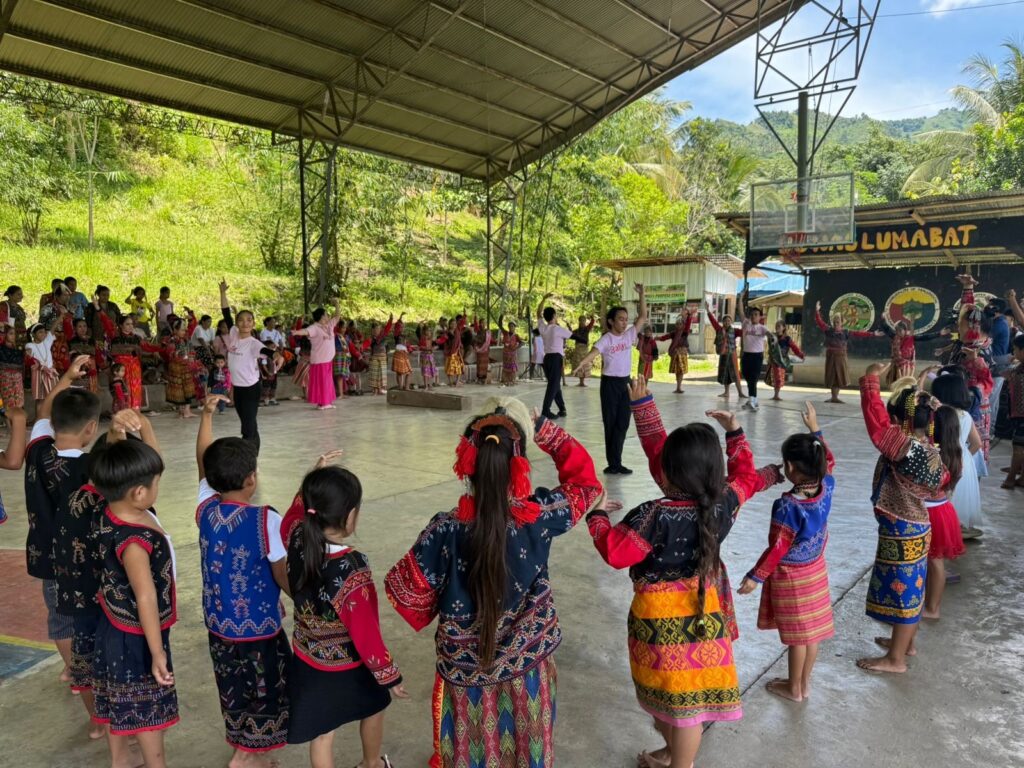
As part of its 10th indigenous community visit, BP traveled to Malungon, Saranggani, where the company was warmly welcomed by Datu Reneboy, Chieftain Antonio, and the Tagakaolo elders with a traditional dance.
Through their rich dances and music, the tribe shared their heritage, and in return BP offered the art of ballet through performances and an engaging workshop. It became more than an exchange of performance—a celebration of identity, creativity, and the beauty of two cultures meeting.
“Each visit with our indigenous communities is uniquely meaningful, and our time with the Tagakaolo Tribe is no exception,” said BP President Kathleen Liechtenstein. “These encounters remind us that ballet is not only about performance, but also about connection, learning, and honoring the many stories that shape our shared cultural identity.”
Dancers Regina Magbitang, Eduardson Evangelio, Carlo Padoga, and Peter San Juan echoed the sentiment, sharing how the tribe’s excitement and eagerness to learn—especially among the children—left a lasting impression on them.
At MinArt 2025, which gathered artists, institutions, and cultural movers from over 180 communities, Ballet Philippines presented an excerpt from its original Filipiniana ballet Ang Panaginip.
The company was also recognized as an Outstanding Dance Company for its contributions to Philippine culture.
As the dancers shared, they stand united with the company’s vision for this Ballet Brigade: to bring ballet to every corner of the country while learning from the communities they serve.
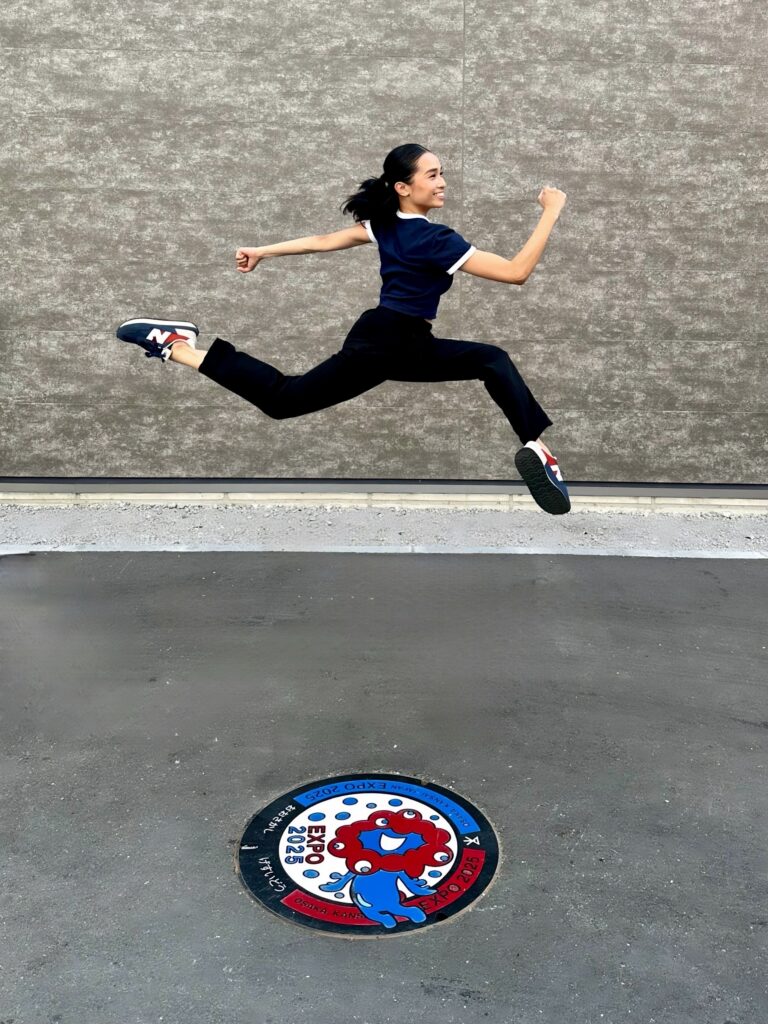
The Osaka Expo was a highly anticipated event that the dancers looked forward to this year. Personally, it was my first time coming to Japan, but visiting this country had always been a dream of mine. Having traveled to different countries and cities across Asia, America, the Middle East, and Europe, Japan has always been the one I looked forward to the most.
This is Jemima Reyes-Ocampo’s story of how her first trip to Japan became an extraordinary chapter in her life as an artist at Expo 2025.
Jemima Reyes-Ocampo | Photo by Ballet Philippines
Hearing about Japan from other people, reading books, and watching videos about the culture and places always made me feel excited. People often talk about it as if it’s the best place in the world—or at least their favorite country. My own contribution to that impression is simple: every Japanese person I’ve met has been incredibly kind. Undoubtedly so. All of them. I guess all the stories, media, and personal experiences really do lead to the same conclusion—Japan is an amazing country.
So when I found out we were going to Japan, I got really excited.
Everything was prepared, and off we went! The first few days were a bit confusing, as I don’t usually navigate public transportation in Manila. In Japan, however, people walk everywhere and ride the train to all sorts of places—near and far. While we were initially confused by the train system, we were lucky to get help easily when needed. Big thanks to our phones and mobile internet—it made traveling so much easier and smoother.
We arrived in Japan and spent the first day settling in and resting. We got familiar with our accommodations and headed to a nearby mall to buy cellular data for our phones so we could navigate and stay in touch with our group. The following day, we visited the Expo for the first time. We traveled in the afternoon just to get a glimpse of what the Expo looked like.
We have Architect Carlo Calma to thank for showing us around the pavilion and personally explaining how his work came to life. Before the tour, he even brought us to a delicious Japanese restaurant where we had a great conversation about the work we’d be doing. It was a privilege to share that moment with him before stepping onto the stage.
As we entered the Expo, it finally hit me how massive this event really was. Since this was my first Expo experience, everything felt unfamiliar at first. We were welcomed by massive LED screens at the station, which led to a grand staircase rising toward the entrance. Beyond it lay an expansive open space, where the tallest flags of different countries stood together in a beautiful symbol of unity and solidarity. That was a moment to take in—one of awe and pride.
It gave me a strong sense of honor to be part of something that only happens once every few years. I felt an instant wave of gratitude and lightness in my heart—not only because I was finally in Japan, but because I was here for the Japan Expo. What an experience.
Inside the pavilion, we were greeted by the warm smiles of the staff and the historical tapestry works, which, we were told, were made by various people from all over the Philippines. “Wonderful!” I thought to myself. Soon after, we were led to our respective dressing rooms and had the chance to get familiar with the other performers. We shared our space with the Ramon Obusan Folkloric Group, who performed at the pavilion lobby. It was great to see fellow Filipino artists coming together on an international stage.
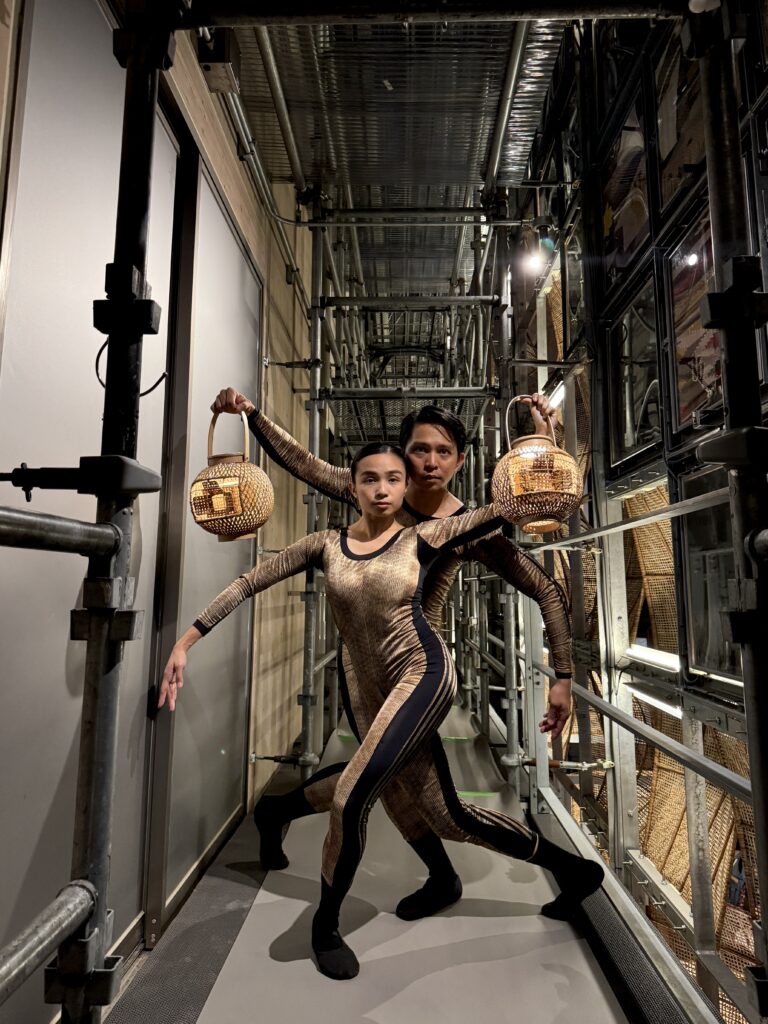
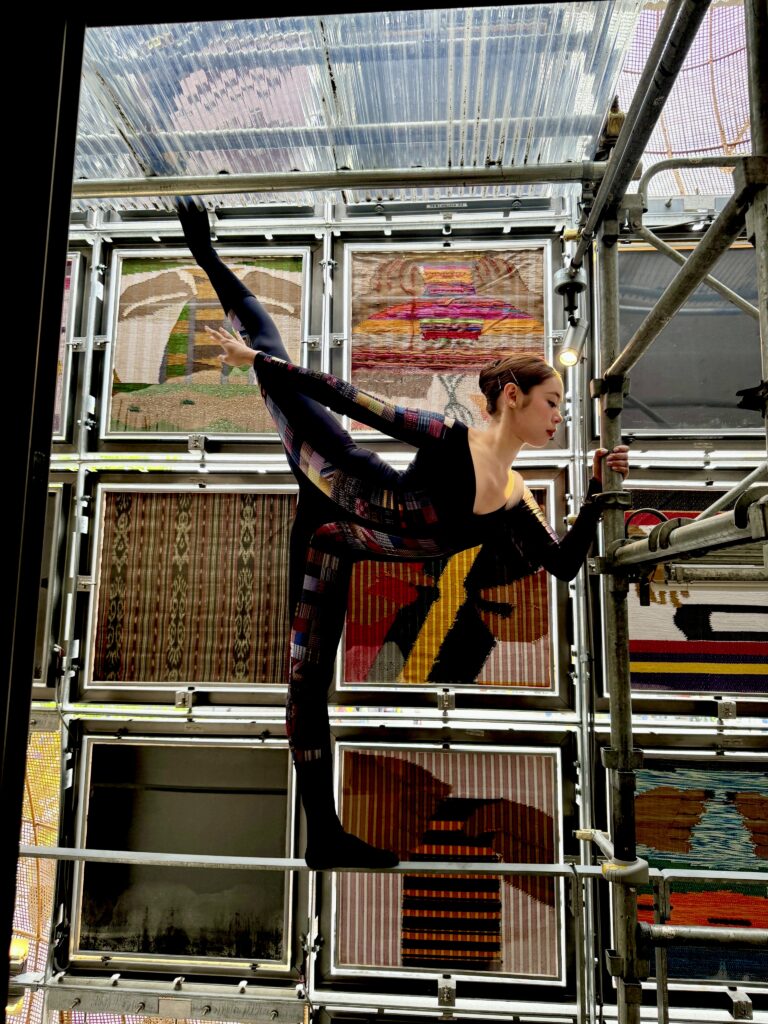
Our performance took place within a unique setup—inside the moving tiles surrounding the rattan structures. It’s essentially a walkway where six dancers can comfortably fit. While it wasn’t a traditional stage, the setup was perfect for a site-specific performance. No one would really expect to see people dancing there. The choreography was designed to move with the structure, which made it very engaging. From the audience’s view, they could see multiple layers of tiles, woven designs that moved, and the dancers performing within them. It was fascinating to perform in a spot that most people wouldn’t even consider a stage.
Anyone at the Expo could catch the show, held daily at 5:30 PM and 7:00 PM. There was no need to line up, but it was always full of people stopping to watch, clapping and taking in the experience. Hopefully, they were also discussing how unique and captivating it was.
The afternoon show focused primarily on the tile movement and the choreography. But the evening show brought an extra element of surprise: lights. The lighting was an integral part of the whole performance and created an atmosphere that was truly magical. I like to think the evening performance is the more favored one—it’s just so beautiful to witness under the night sky. The lights highlighted the textures and movements, making everything come alive in a different way.
Dancing in this space felt very different from performing on a stage with spotlights and curtains. It was more intimate, more immersive, and deeply connected to the space we were in. We weren’t just dancing in the space; we were dancing with it. That’s what made the whole performance so meaningful for me.
Jemima Reyes-Ocampo and Ian Ocampo | Photographed by Olivia Bugayong
Beyond the technicalities of performing, being in Japan—especially for the Expo—meant something bigger. It meant being part of a global celebration of culture, innovation, and human connection. It was a chance to share our stories, traditions, and creativity with people from around the world. To be one of the many voices at the Expo was an honor I will never forget.
As I look back on the experience, I carry with me not just memories of a successful performance, but a deeper appreciation for the journey. From the moments of confusion on the trains to the cheers of the crowd as we danced among the tiles, everything felt like a dream unfolding.
I came to Japan with high hopes, and the experience surpassed all of them. It reminded me of why we dance in the first place—to connect, to inspire, and to celebrate the beautiful things that bring us together.
What a journey. What a gift. What an unforgettable first time in Japan.
The Osaka Expo 2025 is a global event that brings together nations from all corners of the world to celebrate culture, innovation, and unity. As part of this monumental occasion, I had the honor of representing the Philippines at the Philippine Pavilion, performing for Ballet Philippines.
Penned by Danielle Kleiner, this article captures her perspective as a cultural ambassador at the Philippine Pavilion during Expo 2025.
Danielle Kleiner | Photo by Ballet Philippines
Being selected for such an esteemed opportunity was both a privilege and a deeply humbling experience. To represent my country through the art of dance on an international stage was something I had only dreamed of, but never imagined would come to life.
The lead-up to the Expo was a whirlwind of rehearsals and preparations. We had to be ready for daily performances, with two shows every day, each of them requiring precision, energy, and commitment. Our rehearsals were rigorous as we worked to perfect every detail of our performance. It wasn’t just about the choreography; it was about conveying the spirit of the Philippines through every movement. Performing twice a day was physically demanding, but the adrenaline and the joy of representing my country made every moment worthwhile. The experience wasn’t just about dancing; it was about embodying the essence of Filipino culture—something that made the entire journey all the more meaningful.
Upon arriving at the Osaka Expo, I was in awe of the grandeur of the event. The sheer scale of the Expo, with over 190 countries participating, was overwhelming. But when I entered the Philippine Pavilion, everything fell into place. The Pavilion, designed by Mr. Carlo Calma, reflects our rich cultural heritage— a blend of modernity and tradition, echoing the very spirit of the Philippines.
Our performance at the Osaka Expo was much more than just a dance; it was a visual and emotional representation of our country’s artistry and heritage. The choreography, which was inspired by the intricate process of weaving, symbolized how we, as Filipinos, are all part of something much greater—a shared history and collective identity. Our dance was designed to reflect the loom, a tool that has long been at the heart of Filipino craftsmanship, and we used our movements to embody the threads of culture and history that weave us together.
What made this performance truly unique was how we integrated our movements with the Pavilion itself. The walls of the Philippine Pavilion became more than just a backdrop—they became part of the performance. As we danced, it felt like we were connecting with those very walls, weaving into the fabric of the Pavilion itself. The Pavilion, designed to showcase the Philippines, became a living, breathing entity, and our dance was a literal manifestation of that connection.
In those moments on stage, it felt as though the Pavilion’s walls could talk—if they could, I believe they would share the stories of the generations before us, the triumphs, and the struggles, the joys, and the sacrifices that have shaped us as a nation. We weren’t just performing on a stage; we were part of something deeply rooted in history, and every movement felt like an offering to those who came before us, as well as to those who will follow.
It was exhilarating to perform in such a dynamic environment, surrounded by people from around the world. The energy of the audience was palpable, and you could feel the excitement in the air as people from all walks of life watched. As I danced, I was not only representing Ballet Philippines but also sharing a piece of my identity as a Filipino. The connection to my audience was immediate, transcending language and borders, and I knew I was part of something much bigger than myself.
I also had the chance to interact with visitors, and there was a profound sense of curiosity about the Philippines. For many, it was their first exposure to Filipino culture, and I felt a deep sense of responsibility to represent it with grace and authenticity. Through this exchange, I learned that art, especially dance, has the power to change perceptions and create lasting connections between people from different parts of the world.
Danielle Kleiner | Photographed by Olivia Bugayong
Looking back, performing at the Osaka Expo was not just a personal achievement but a celebration of Filipino artistry on the world stage. The experience was a reminder of how powerful cultural exchange can be and how dance serves as a conduit for sharing stories, history, and emotions. On a personal level, this experience deepened my understanding of my own culture and reaffirmed my commitment to being a steward of Filipino arts.
I left Osaka not only as a dancer but also as a cultural ambassador, carrying the pride of the Philippines in my heart. And as I continue my journey in dance, I will always carry with me the pride of having represented the Philippines in such a momentous event.
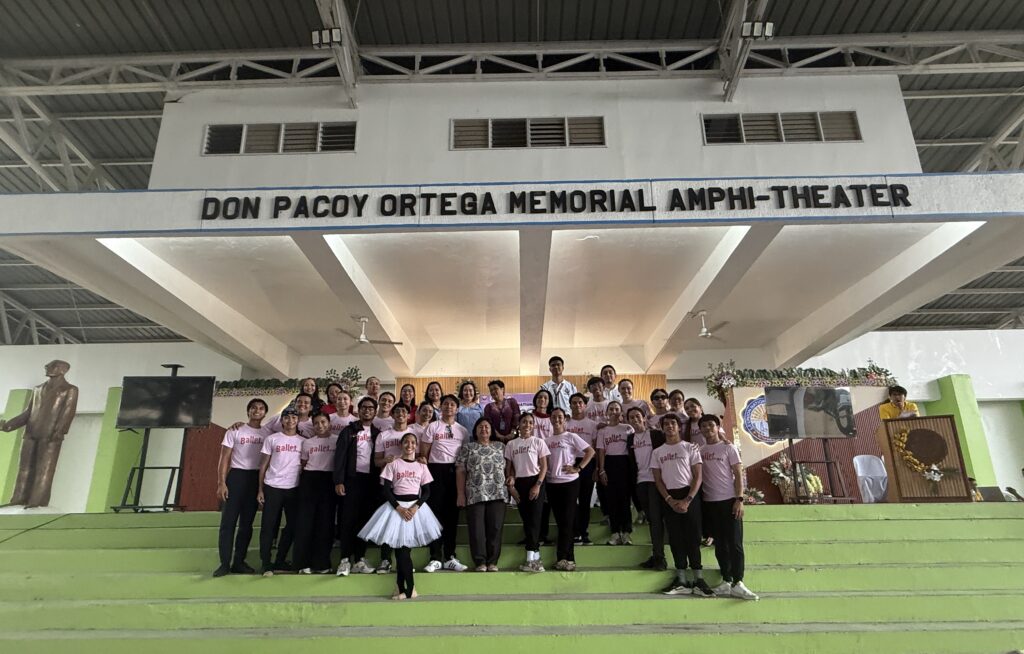
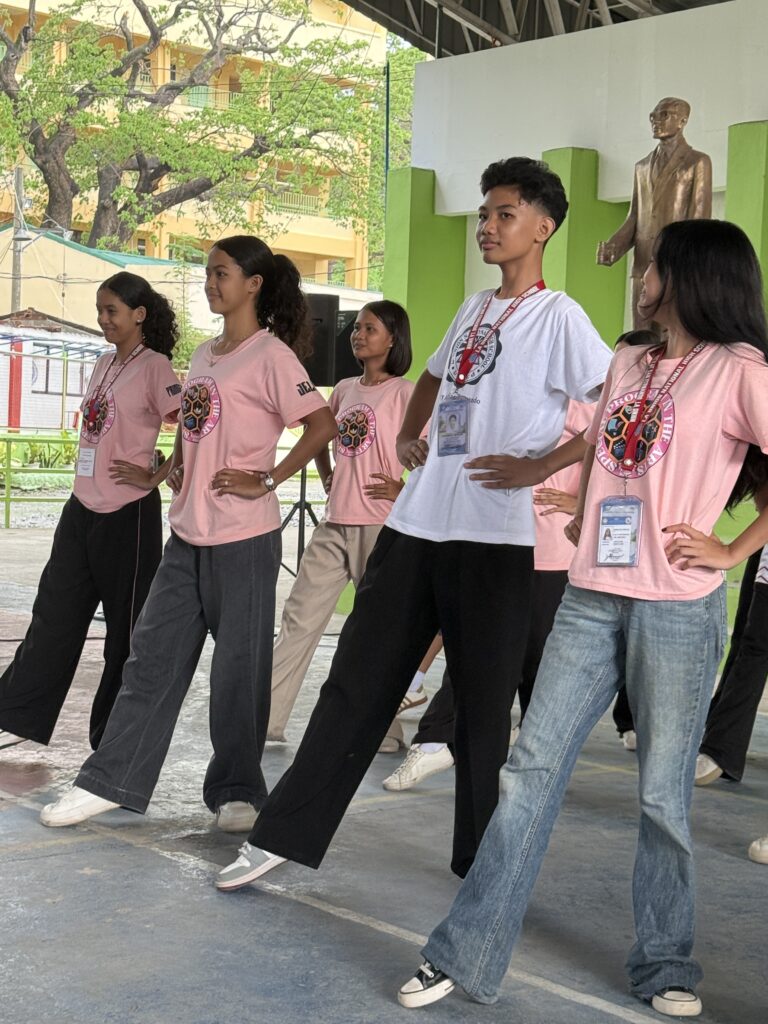
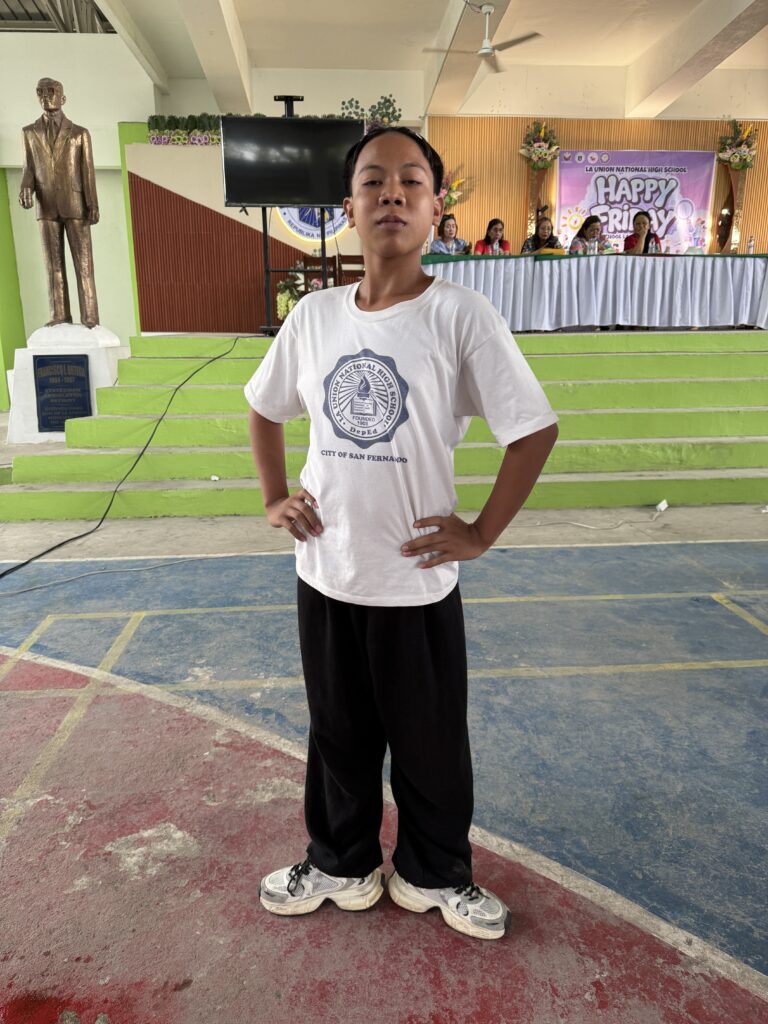
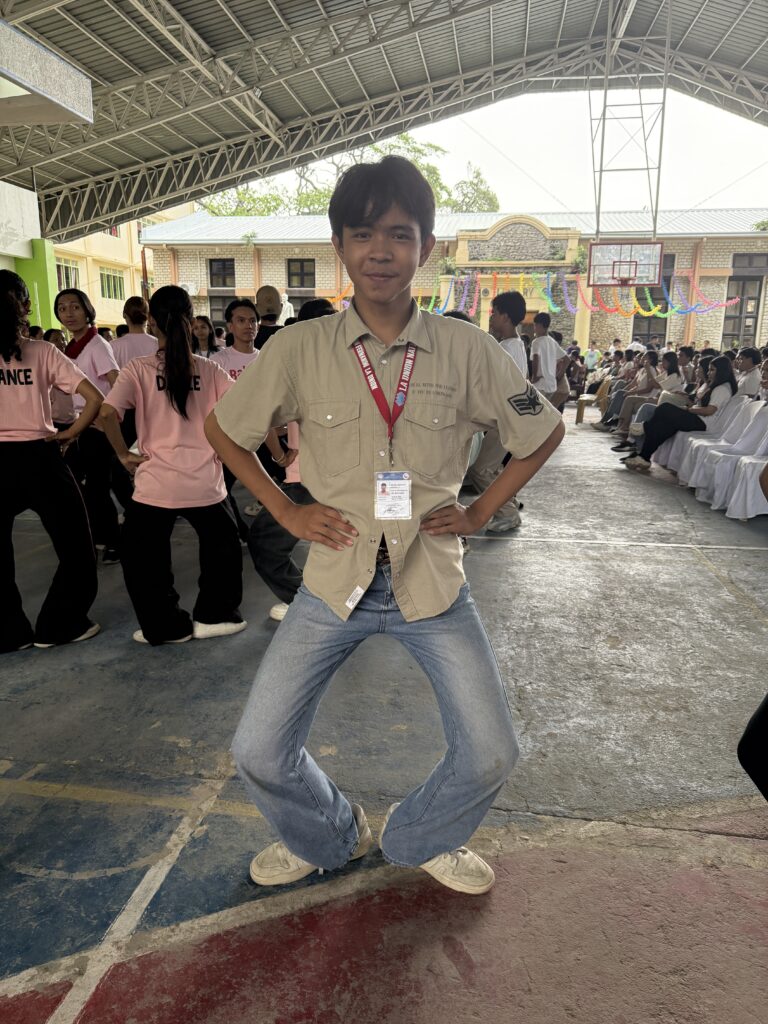
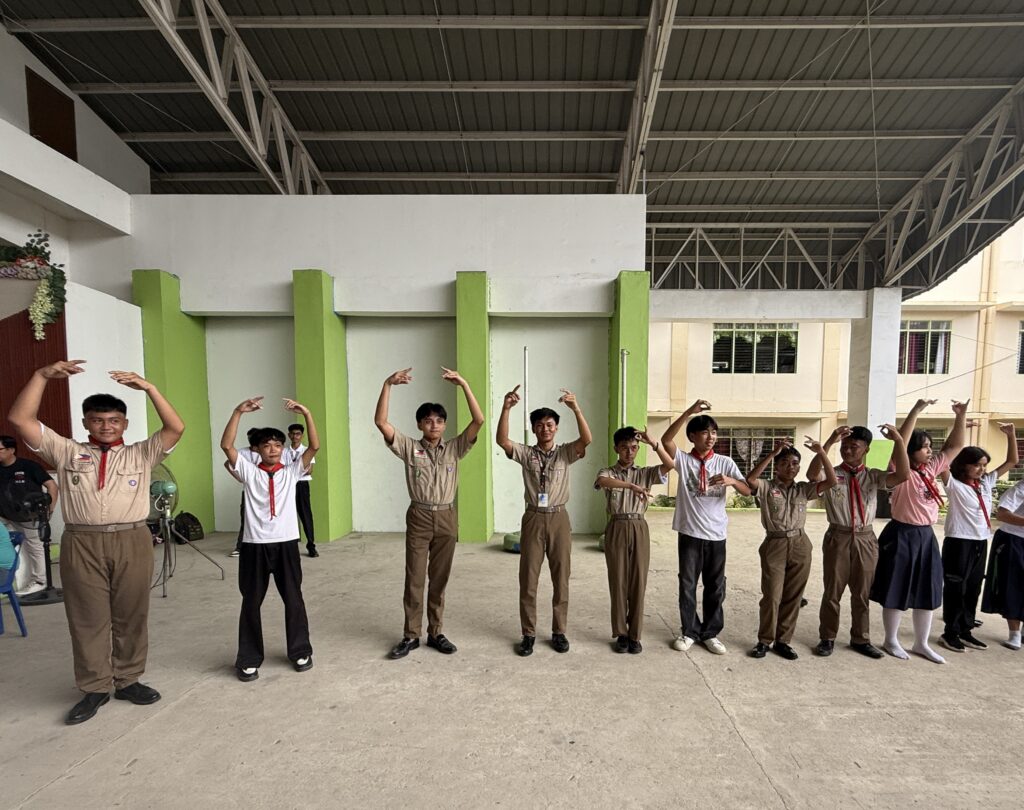
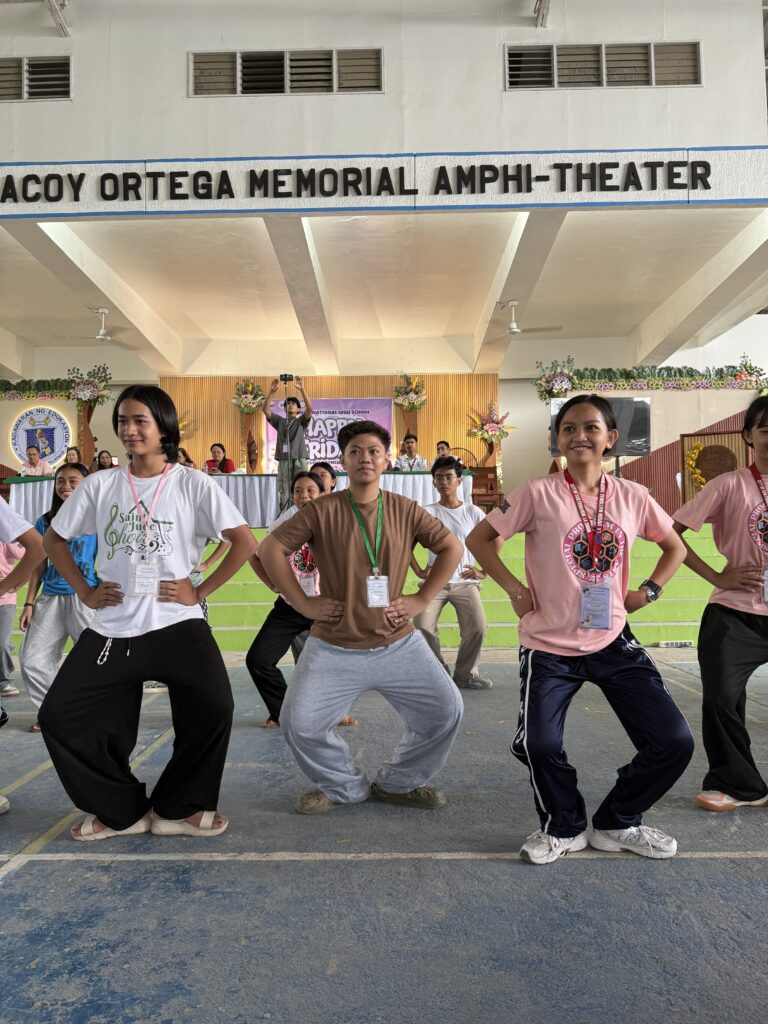
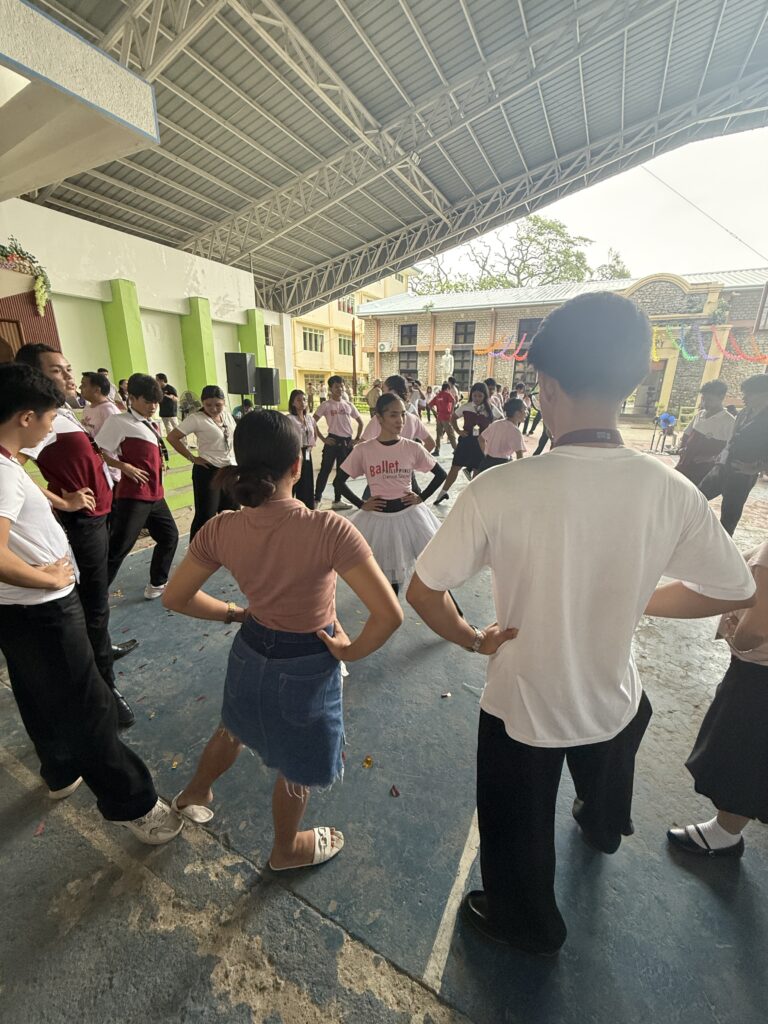
Ballet Philippines brought the joy of dance to more than 1,000 students at La Union National High School through its outreach and community program. From learning the five basic ballet positions to experiencing a live performance, students discovered how art can inspire, uplift, and spark dreams.
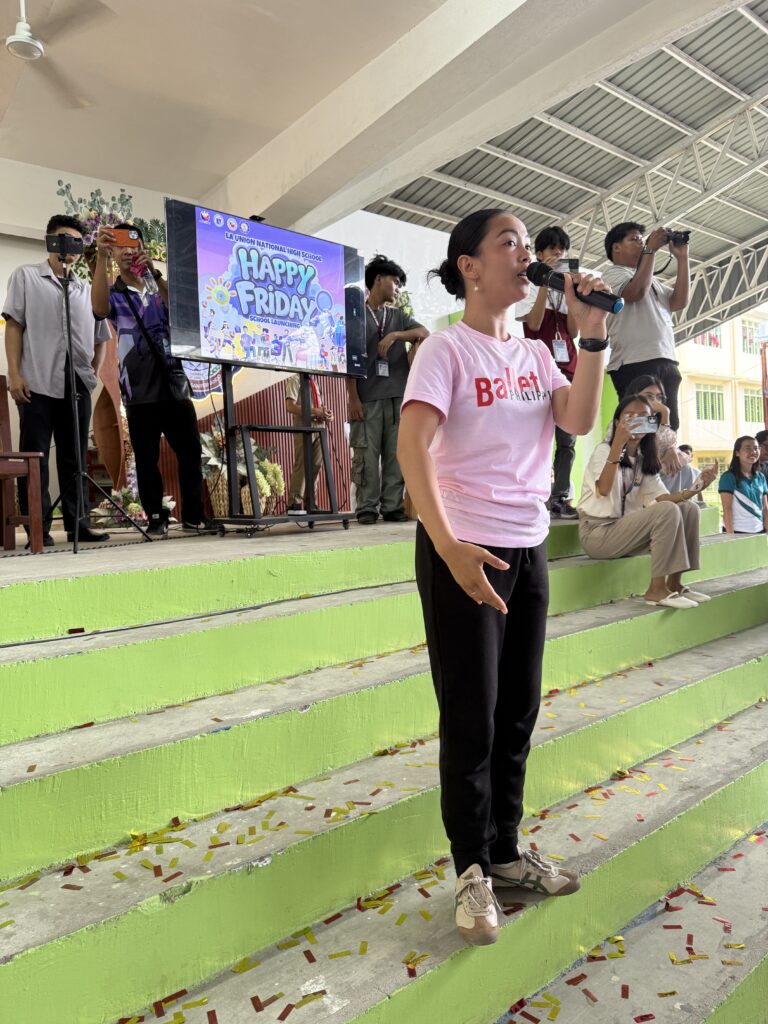
Ballet Philippines (BP) recently brought the power of dance to La Union National High School (LUNHS), where more than 1,000 students experienced their first-ever ballet class and enjoyed a professional performance by the country’s flagship dance company.
This community outreach program is part of BP’s continuing mission to extend the reach of the arts beyond the metro, creating opportunities to educate, inspire, and nurture future generations of Filipino artists.
The ballet class introduced students to the five basic ballet positions—foundational movements that offered them a glimpse into the discipline and beauty of the art form. For many of the young participants, it was their very first encounter with ballet.
The session was not just about movement; it was about opening doors to creativity, sparking imagination, and showing how dance can be a source of strength and self-expression.
The visit was especially meaningful for LUNHS, a school still recovering from the devastation of recent typhoons. Classrooms had been flooded, walls sustained water damage, and one building was left without a roof. Against this backdrop of hardship, Ballet Philippines’ presence provided a moment of joy and renewal—reminding the community of the resilience and hope that the arts can inspire, even in the most difficult of times.
“Ballet has the power to uplift and to inspire,” said Kathleen Liechtenstein, President of Ballet Philippines. “Through our outreach and community programs, we want to ensure that every Filipino child, regardless of where they live, has the chance to experience the beauty and discipline of dance. This is our way of giving back, of planting seeds of inspiration that we hope will grow into a lifelong appreciation for the arts.”
With initiatives like these, Ballet Philippines continues to affirm its role as a cultural pillar of the nation—bringing world-class artistry to every corner of the Philippines and ensuring that the gift of dance remains a beacon of hope and inspiration for all.
This journey was made possible through the steadfast support of Victory Liner, whose partnership ensured that the company could reach the community safe and sound, and share the gift of the dance. Their commitment to connecting people extends beyond transportation — it helps bring hope and inspiration to future generations.
BP, REP, and MSO join forces for the first time, blending storytelling, choreography, and live orchestral music in a single evening.
Daily Tribune writes about Three Masters, One Stage — a gala evening of art, music, and movement uniting Ballet Philippines (BP), Repertory Philippines (REP), and the Manila Symphony Orchestra (MSO) for an all-ages showcase.
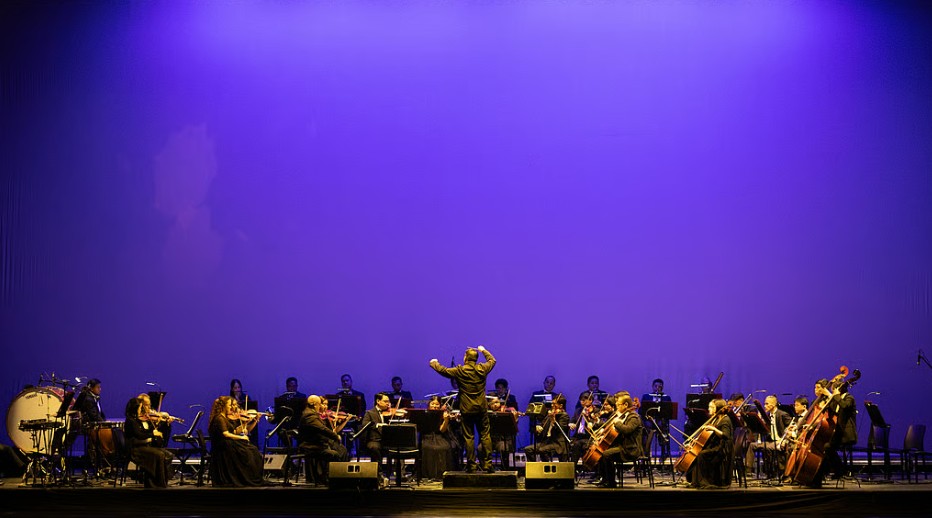
The program opened with REP’s Peter and the Wolf, directed by Jeremy Domingo and choreographed by PJ Rebullida, with narration by 2021 Nobel Peace Prize Laureate Maria Ressa. MSO, under Maestro Marlon Chen and executive director Jeffrey Solares, provided the symphonic foundation.
REP president Mindy Perez-Rubio traced the concept back to her time with the San Francisco Symphony League, where she envisioned merging live theater and orchestral music to inspire young audiences. That vision came to life through BP and MSO’s enthusiastic collaboration.
MSO chair Maan Hontiveros called the night a celebration of creative synergy—the first time the three institutions shared a stage—underscoring orchestral music’s power to enrich ballet and theater.
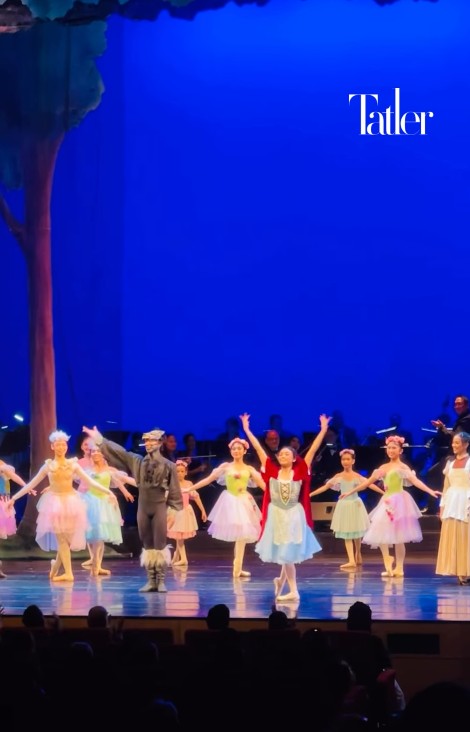
Closing the evening, BP’s Little Red Riding Hood, choreographed by Mikhail Martynyuk, charmed audiences with its playful grace.
BP president Kathleen Liechtenstein introduced the season theme, Our Stage, The World, honoring artistic legacy, global vision, and community engagement, while celebrating the shared history of these three cultural pillars spanning over two centuries.
Read the full story by Luis Espiritu for Daily Tribunehere.
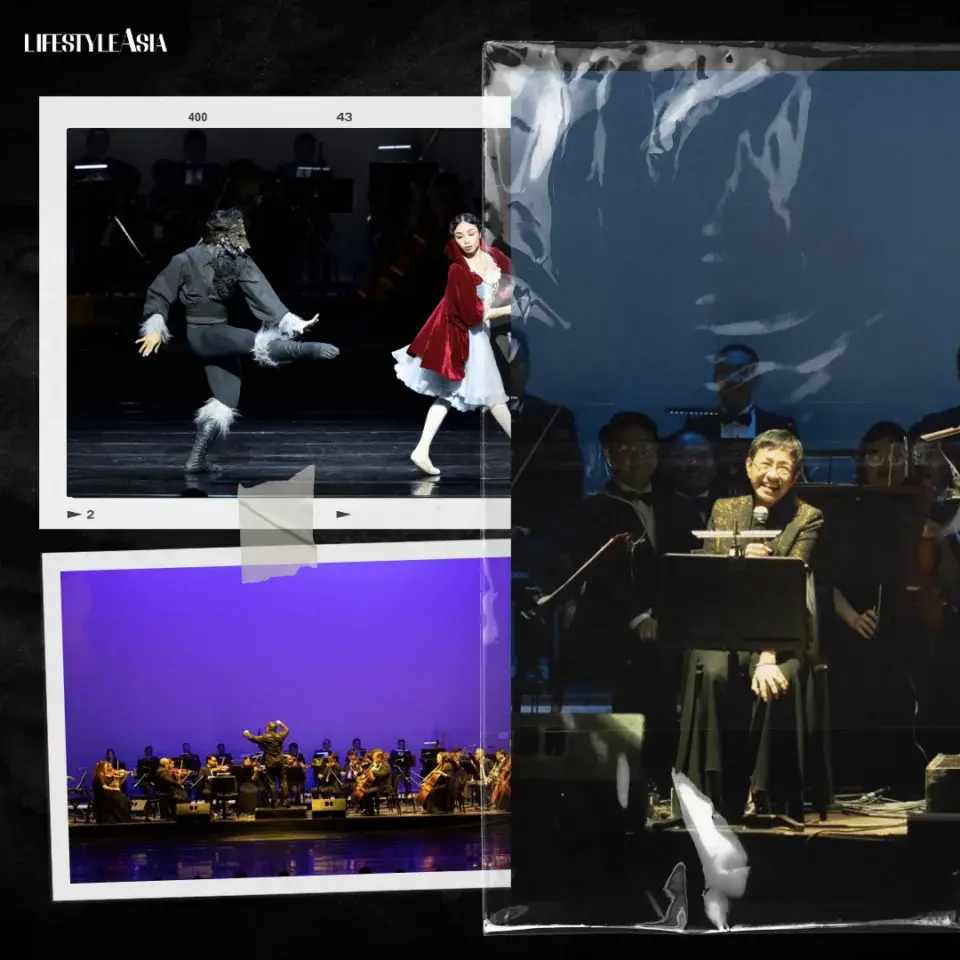
Tatler Philippines reports that, for the first time in Philippine performing arts history, three of the country’s premier cultural institutions united to present music, drama, and ballet on one stage in a world-class, family-friendly production.
From August 1 to 3 at The Theatre at Solaire, Ballet Philippines, together with Repertory Philippines and Manila Symphony Orchestra, staged two beloved classics—Peter and the Wolf and the full-length ballet Little Red Riding Hood.
The event was more than an artistic milestone; it was also a significant community outreach effort. As part of the program, complimentary seats were offered to families from selected barangays, ensuring that underserved communities could experience the transformative power of live performance.
Visit Tatler Philippines’ Instagram to view the post here.
Lifestyle Asia reports that, for the first time in Philippine performing arts history, three of the country’s premier cultural institutions—Ballet Philippines, Repertory Philippines, and the Manila Symphony Orchestra—shared the stage in a landmark collaboration. Together, their combined artistic legacies span an impressive 213 years.
Held on August 1 at The Theatre at Solaire, the Gala Performance marked the opening of Ballet Philippines’ 56th Season. The evening featured Peter and the Wolf, headlined by 2021 Nobel Peace Prize Laureate Maria Ressa as guest narrator. Prokofiev’s symphonic tale came to life through MSO’s live orchestral performance and theatrical storytelling.
But the celebration went beyond artistry. In line with Ballet Philippines’ advocacy for cultural accessibility, more than 1,000 free seats were reserved for underserved barangays, military personnel, indigenous communities, and other partner groups. The Manila Symphony Orchestra also welcomed music and non-music students—many experiencing live symphonic music for the first time.
The double bill continued with Ballet Philippines’ Little Red Riding Hood, a classical yet emotionally resonant adaptation of the beloved fable, performed with expressive choreography and rich orchestration.
Branded Three Masters, One Stage, the event not only united three artistic disciplines—ballet, theater, and music—but also showcased the transformative power of collaboration. It was an evening that entertained, educated, and brought together a diverse audience, proving that the arts can bridge communities and generations.